
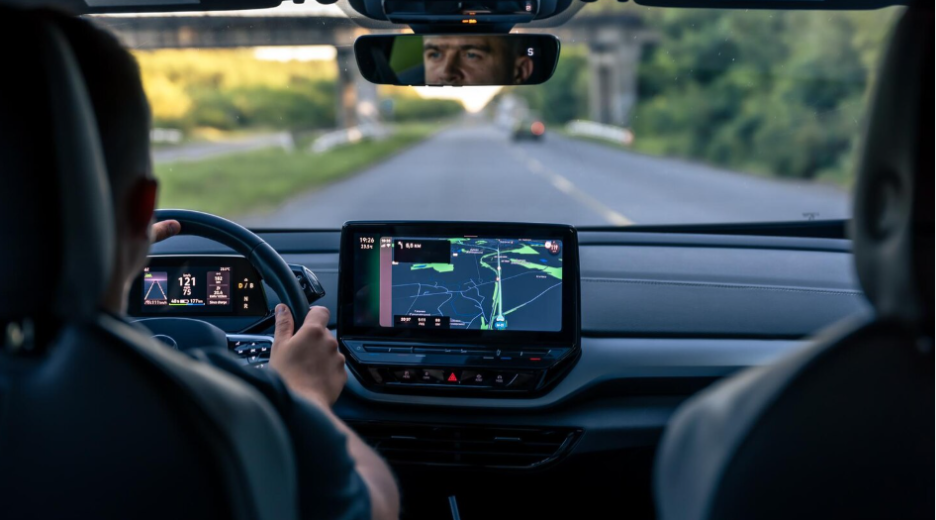

Business vehicles are facing increased fuel costs, sleeker delivery schedules, greater insurance costs, and more pressure to ensure driver safety, making the management of these vehicles that much harder. A single incident, an invalidated claim, or an unauthorized vehicle trip can cause disruptions and incur unplanned expenses.
For business owners, it’s important to get a better understanding of the location of the vehicles, how they are driven, and whether they maintain their daily routes. This growing demand for real-time information has changed fleet management across many industries.
Many companies are switching from driver reports and manual tracking to connected technology that incorporates video evidence with location data. Let’s delve a little deeper into why Fleet Dash Cam with GPS tracking is fast becoming an indispensable addition to the modern fleet management toolbox.
1. Combine Video Evidence With Real-Time Location
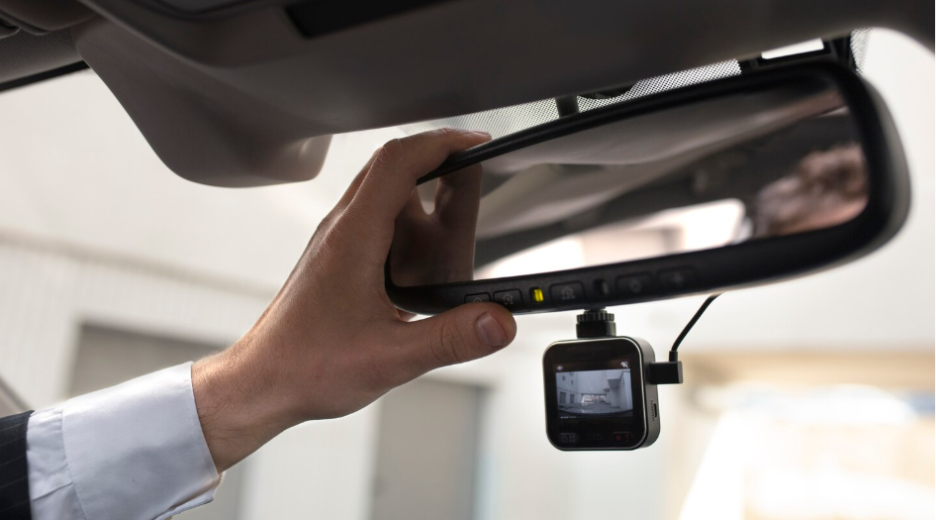
The reason companies are purchasing fleet dash cams is that they integrate high-definition video recording with real-time GPS tracking in a single solution. Fleet managers can view the video footage without having to switch to another system and can also view vehicle locations, route history, and travel times.
New systems could also feature driver-facing and road-facing cameras, AI-driven driving alerts, cloud video retrieval, vehicle diagnostics, and real-time coaching.
The combination of these gives a far greater understanding of what occurs before, during, and after an incident. Managers have complete information at their fingertips for vehicles making deliveries, visiting job sites, or transporting equipment.
2. Are Beneficial To Driver Safety
At the end of the day, all businesses want their drivers to get back home safely. Fleet dash cams promote safer driving habits due to the awareness that trips are being recorded and monitored.
Some GPS camera systems offer behavior recognition capabilities, including:
- Harsh braking
- Rapid acceleration
- Speeding
- Sharp cornering
- Distracted driving
- Tailgating
Managers have the opportunity to coach drivers based on recorded data and to correct unsafe behaviors before they become an accident. Regular feedback helps establish safe driving habits and minimize avoidable incidents.
For instance, a driver who has a history of hard braking when on the road can look at the video and GPS to see if the issue is related to driving style or schedule.
3. Make Accident Investigations Much Easier
Accidents are stressful to all concerned. When there is no evidence available, it can be hard to figure out what actually happened.
Dash cam footage offers an unbiased account of events. Combined with GPS data, businesses can validate information like:
- Vehicle speed
- Exact location
- Direction of travel
- Time of the incident
- Driver actions before impact
This information can assist businesses in responding more quickly to insurance claims, customer complaints, or legal disputes. Video evidence will also be able to assist the drivers who were not at fault. Companies have visual proof to back up their case, as opposed to just witness statements.
4. Increase Fleet Efficiency

Safety is just one of the benefits. GPS dashcams are also used in the business world to streamline everyday operations.
- A fleet manager can keep track of:
- Route efficiency
- Vehicle utilization
- Idle time
- The time of arrival and departure
- Unauthorized vehicle use
Managers can modify schedules or assign improved routes if delivery trucks are frequently stuck in traffic on specific routes. Businesses can cut down on wasteful fuel usage if vehicles idle for too long. These enhancements can result in significant reductions in fuel, labor, and maintenance over time.
5. Support Better Accountability Across the Business
Clear information creates accountability for everyone involved. Drivers benefit because false complaints can often be resolved using recorded evidence. Managers can verify completed routes without relying only on paperwork or verbal updates.
Customers also appreciate greater transparency. If a client questions whether a technician arrived on time, GPS records provide accurate arrival times while recorded footage may help verify service visits. This level of accountability strengthens trust between businesses, employees, and customers.
6. Help Protect Vehicles Even When Parked
Business vehicles remain valuable even after the workday ends. Many modern fleet camera systems continue monitoring vehicles while parked. Depending on the system, businesses may receive alerts for suspicious movement, tampering, or unexpected activity.
This added visibility is especially valuable for companies that leave vehicles overnight at job sites, warehouses, or public parking areas. If theft or vandalism occurs, recorded footage and GPS location data can help businesses understand what happened and respond more quickly.
7. Provide Useful Data for Long-Term Decision Making
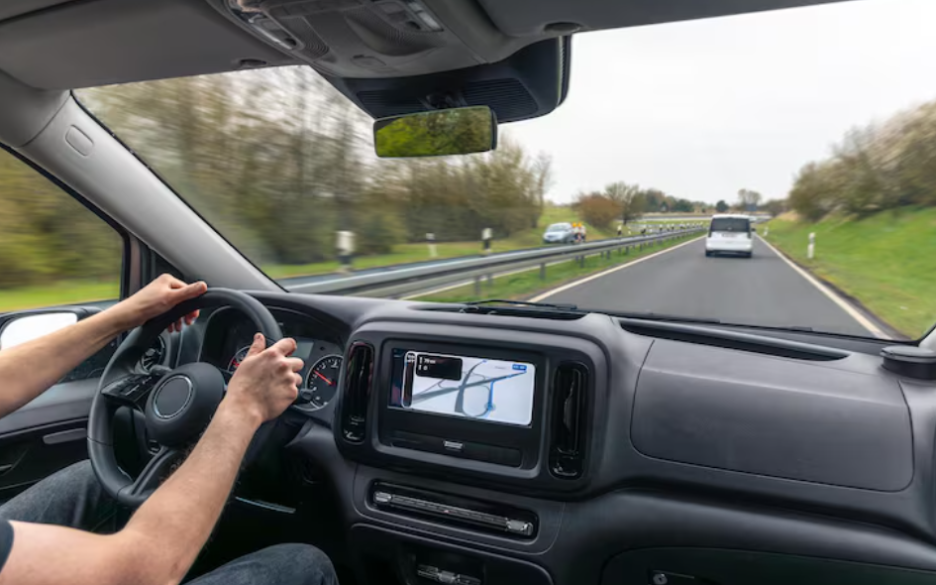
Another advantage of fleet dash cams with GPS tracking is the operational data they collect over time.
Businesses can analyze patterns such as:
- Frequently used routes
- High-risk driving locations
- Driver performance trends
- Fuel efficiency opportunities
- Maintenance scheduling
- Vehicle utilization
These insights support smarter planning instead of relying on assumptions. As fleets grow, reliable historical data helps managers identify trends before they become costly problems.
Final Thoughts
Fleet dash cams with GPS tracking have become much more than recording devices. They help businesses improve driver safety, simplify accident investigations, increase operational efficiency, protect valuable vehicles, and make better decisions using accurate data.
Combining video evidence with real-time location gives fleet managers greater visibility into daily operations while supporting accountability throughout the business.
If your company depends on vehicles for deliveries, transportation, or field services, reviewing your current fleet technology is a practical next step. The right solution can strengthen safety, improve efficiency, and support long-term operational success.