

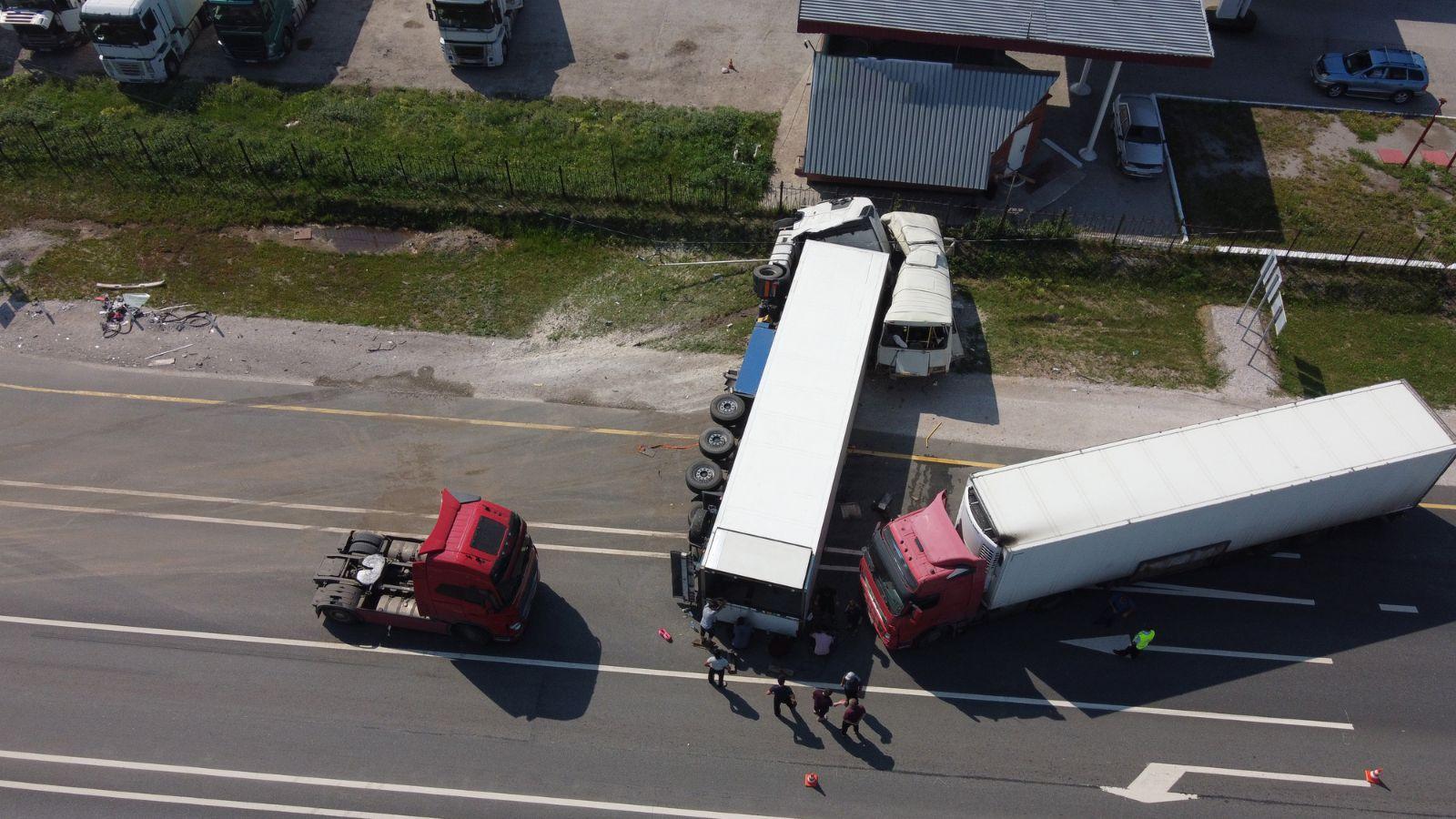

Rutherfordton’s local roads, nearby highways, and commercial routes through Rutherford County can place passenger vehicles close to heavy trucks carrying freight across western North Carolina. When a truck crash happens, the aftermath can feel overwhelming because injuries, vehicle damage, missed work, and insurance questions often arrive all at once. These claims also tend to involve more moving parts than an ordinary collision, including company records, driver decisions, maintenance history, and multiple insurance policies.
For injured people, acting quickly can help safeguard their health and preserve their legal options. Filing a truck accident claim in Rutherfordton requires careful documentation, timely action, and a clear understanding of who may be responsible. With experienced legal guidance, victims can approach the process with greater confidence while focusing on recovery and long-term stability.
Get Medical Care First
Medical treatment should begin as soon as symptoms appear, even if adrenaline masks pain. People filing a truck accident claim often need ambulance notes, imaging reports, discharge instructions, and follow-up charts. Those records tie neck strain, spinal trauma, headaches, or soft tissue damage to the collision date. Prompt care also reduces arguments that a later event caused the condition.
Report the Collision
A police report creates an early record that can steady the claim later. Officers may note lane position, debris patterns, weather, witness names, and visible injuries. Each point can matter once fault is disputed. Injured people should answer plainly and avoid estimates. A rushed guess about speed or distance may follow the case far longer than expected.
Preserve Every Record
Strong cases often depend on ordinary documents saved at the right time. Bills, pharmacy receipts, towing charges, repair estimates, and wage records help show financial loss with real numbers. Photographs add another layer of proof. Images of bruising, shattered glass, tire marks, and vehicle damage can preserve details that disappear after cleanup or repair.
Be Careful With Insurers
Insurance calls may come within hours of the wreck. A polite tone does not change the fact that each answer can affect value or fault. Short, factual responses are usually safest. Recorded statements deserve caution. Early payment offers may leave out future treatment, missed earnings, or persistent pain that has not yet fully declared itself.
Identify Every Liable Party
A truck crash may involve more than one responsible party, and that point deserves close attention. The driver may have made an unsafe move, yet a carrier, shipper, maintenance company, or parts maker could share blame. Each source of fault can also carry separate coverage. A narrow review may weaken recovery before serious investigation even begins.
Look Beyond the Driver
Commercial claims often turn on logbooks, inspection sheets, training files, dispatch messages, and cargo records. Those materials may show fatigue, poor upkeep, overloaded freight, or weak supervision. A broader inquiry usually gives a truer picture of why the collision happened.
Understand the Time Limits
North Carolina sets deadlines for filing injury lawsuits, and missing one can end the matter. Delay also harms proof in quieter ways. Video footage may be erased, vehicles may be repaired, and memories often blur. Early action gives a better chance to secure records while facts remain fresh. Timing should be treated as a core issue.
Measure Full Damages
A fair claim includes more than emergency room charges. Lost income, rehabilitation costs, future care, property damage, pain, and reduced physical function may all deserve attention. Some injuries worsen with time. Disc damage, nerve irritation, or shoulder tears may become clearer after swelling settles. Settling before physicians understand the longer course can leave major expenses unpaid.
Avoid Public Missteps
Public posts can hurt a claim faster than many people expect. One photo, comment, or location tag may be used to question pain, mobility, or daily limits. Friends should also avoid sharing crash details online. Medical attendance matters for similar reasons. Missed visits may suggest recovery, even while symptoms still interrupt sleep, work, and routine movement.
Prepare for Negotiation
Negotiation works best when the file is complete and easy to follow. A solid demand package often includes treatment records, invoices, wage proof, photographs, and a clear chronology. Insurers often test whether a claimant is organized enough to resist a low offer. Consistent documentation shifts attention away from doubt and closer to actual loss.
Know When Legal Help Matters
Truck injury cases can become harder when severe harm, disputed fault, or several companies are involved. Legal support may help gather records, protect evidence, and manage insurer contact. Counsel can also assess future care costs and lost earning capacity with more precision. That guidance often gives injured people space to focus on treatment, rest, and household stability.
Conclusion
Filing a truck accident claim successfully usually depends on speed, documentation, and sound judgment. Medical care should begin early, records should stay organized, and public statements should stay limited. Truck cases require extra care because liability may extend beyond a single driver. People who preserve evidence, respect deadlines, and account for future harm often stand in a stronger position when settlement talks begin or litigation becomes necessary.