

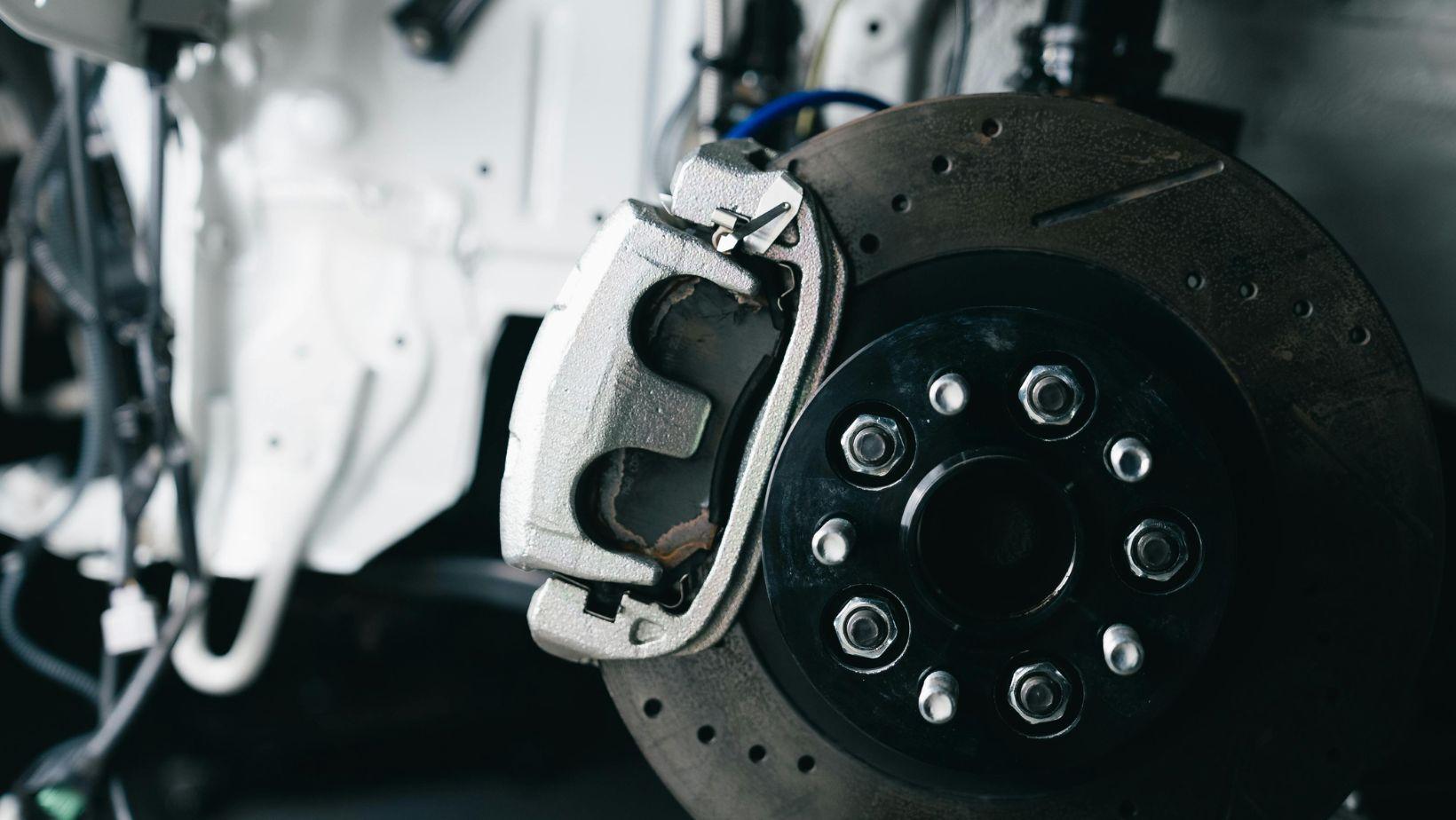

Brake upgrades spark endless debate among gearheads, and few topics generate as much curiosity as carbon ceramic rotors. You have probably seen them glowing behind the wheels of a Porsche 911 GT3 or a Ferrari on track day, priced like a used economy car. Are they marketing hype or genuine engineering? The answer matters whether you track your weekends, drive a daily supercar, or simply want to understand what separates elite braking from the rest. This guide breaks down the science, the trade-offs, and where this technology earns its keep.
What Are Carbon Ceramic Rotors, Anyway?
Carbon ceramic brake discs are made from carbon fiber bonded with silicon carbide, formed under extreme heat. The result is a disc that behaves nothing like the gray iron rotor on most cars.
Manufacturers cure the material at temperatures above 1,650°C, creating a dense, heat-stable composite. Porsche introduced its PCCB system in the early 2000s, and Brembo’s Carbon Ceramic Brakes followed across exotic and high-performance vehicles.
The short version: these discs trade cost for performance you can feel under hard use.
The Heat Resistance Advantage
Heat is a brake system’s biggest enemy. Every time you slow down, kinetic energy converts to thermal energy, and that heat has to go somewhere.
Cast iron rotors start losing effectiveness once they overheat, a problem known as brake fade. Carbon ceramic discs handle operating temperatures well beyond 1,000°C without warping or fading.
That heat tolerance is the core reason they dominate demanding environments. On a road course, where you brake hard lap after lap, iron rotors can glaze and fade within minutes. Ceramic composite discs shrug off the same abuse and keep delivering consistent pedal feel.
How They Affect Stopping Distance and Pedal Feel
A common myth says ceramic brakes stop you faster in a single emergency stop. From cold, that is rarely true.
Here is what actually happens:
- Cold performance: Iron and ceramic deliver similar stopping distance on the first stop.
- Repeated stops: Ceramic discs maintain stopping power while iron rotors degrade from heat buildup.
- Consistency: The pedal stays firm and predictable, even after sustained abuse.
So the real benefit is repeatability. The tenth hard stop feels like the first, which is exactly what you want when pushing a sports car near its limit.
The Unsprung Weight Benefit Most Drivers Overlook
Weight savings get plenty of attention, but the type of weight matters more than the total.
A carbon ceramic disc can weigh roughly half as much as its iron counterpart. Because brake rotors are unsprung weight, every pound removed has an outsized effect on handling.
Lower unsprung weight lets your suspension react faster to bumps and surface changes. The car feels more planted, steering sharpens, and ride quality often improves. Reducing rotating mass also helps acceleration and braking response, since the wheels spin up and slow down with less effort.
That is why engineers prize this technology beyond just braking. The performance gains ripple across the entire chassis.
Motorsports Roots and Street Reality
Carbon-based brakes earned their reputation in racing long before they reached showrooms. Formula 1 cars use pure carbon-carbon brakes that need to reach extreme temperatures just to function.
Street-going carbon ceramic discs are a different formula, tuned to work from cold and survive years of daily use. They borrow the durability and heat management of racing technology while staying practical for the road.
For drivers who want track-capable hardware without sacrificing street manners, performance braking specialists like carbon ceramic rotors bridge that gap between motorsport engineering and everyday usability. The goal is consistent, fade-free braking whether you are commuting or chasing lap times.
OEM vs Aftermarket: What You Actually Get
When sourcing these discs, you face two paths. Each has clear trade-offs.
OEM systems come factory-fitted on high-performance vehicles from brands like Porsche, Ferrari, Lamborghini, and McLaren. They are engineered as a complete package with matched pads and calipers, tested to strict standards. The downside is steep replacement cost, often running into five figures.
Aftermarket options open the technology to a wider range of cars and budgets. Quality varies, so reputable suppliers matter. Look for proven materials, clear specifications, and pads validated for the disc.
A few buying considerations:
- Pad compatibility: Ceramic discs require specific compounds. Standard iron-rotor pads will not work.
- Bedding-in: Proper break-in procedure protects longevity and performance.
- Use case: Be honest about whether you track the car or just want the look and feel.
Choosing the right supplier protects both your wallet and your safety.
How Long Do They Last and Are They Worth It?
Durability is one of the strongest selling points. Under normal street driving, a carbon ceramic disc can outlast several sets of iron rotors.
Many manufacturers rate their discs for the lifetime of the vehicle under typical use, though aggressive track driving shortens that significantly. The discs resist corrosion too, so they will not develop the surface rust that plagues iron rotors after rain.
Whether they are worth it depends entirely on your driving:
- Track enthusiasts: Often yes. Fade resistance and consistency justify the price.
- Daily supercar owners: Frequently worth it for reduced maintenance and unsprung weight.
- Casual drivers: Usually overkill. Quality iron rotors serve most needs at a fraction of the cost.
Match the hardware to how you actually drive, not how you imagine you might.
Conclusion
Carbon ceramic rotors deliver real, measurable advantages: outstanding heat resistance, lighter unsprung weight, and braking that stays consistent when iron rotors fade. They earned their place through motorsport, and they reward drivers who push their cars hard. For pure daily commuting, the value case is weaker, and well-chosen iron rotors remain a smart choice. The smartest move is matching the technology to your real-world use. Understand the trade-offs, source from a reputable supplier with the correct pads, and you will get braking performance that lives up to the engineering behind it.