



As trade businesses expand across Cambridge, Kitchener, Waterloo, and Guelph, the focus often shifts toward hiring, scheduling, and winning new work. Vehicle setup, however, is frequently treated as an afterthought. What starts as a single well-organized van can quickly turn into a mixed fleet with inconsistent layouts, varying storage systems, and uneven performance across teams.
These inconsistencies may seem minor at first, but they create operational friction that becomes more noticeable as the business grows. Fleet van upfitting, when approached without a clear plan, can limit efficiency rather than support it.
Treating Each Vehicle as a One-Off Setup
One of the most common mistakes is setting up each new vehicle independently. As new vans are added to the fleet, decisions are often made based on immediate needs rather than long-term consistency.
This results in:
- Different shelving layouts across vehicles
- Tools stored in different locations depending on the van
- Technicians needing time to adjust when switching vehicles
While each setup may work individually, the lack of standardization creates inefficiencies at the team level. Over time, this leads to slower workflows and increased training requirements.
A fleet should function as a unified system, not a collection of unique configurations.
Overlooking Workflow When Designing Service Vehicle Setup
Another issue arises when vehicle interiors are designed without considering how technicians actually work. Storage may be added based on available space rather than task flow.
This often leads to:
- Frequently used tools placed in hard-to-reach areas
- Poor separation between tools and materials
- Unnecessary movement inside and around the vehicle
An effective service vehicle setup should reflect the sequence of tasks performed on the job. Tools that are used together should be stored together. High-frequency items should be easily accessible.
Ignoring workflow at the design stage can create daily inefficiencies that affect every job.
Underestimating the Impact on Fleet Management
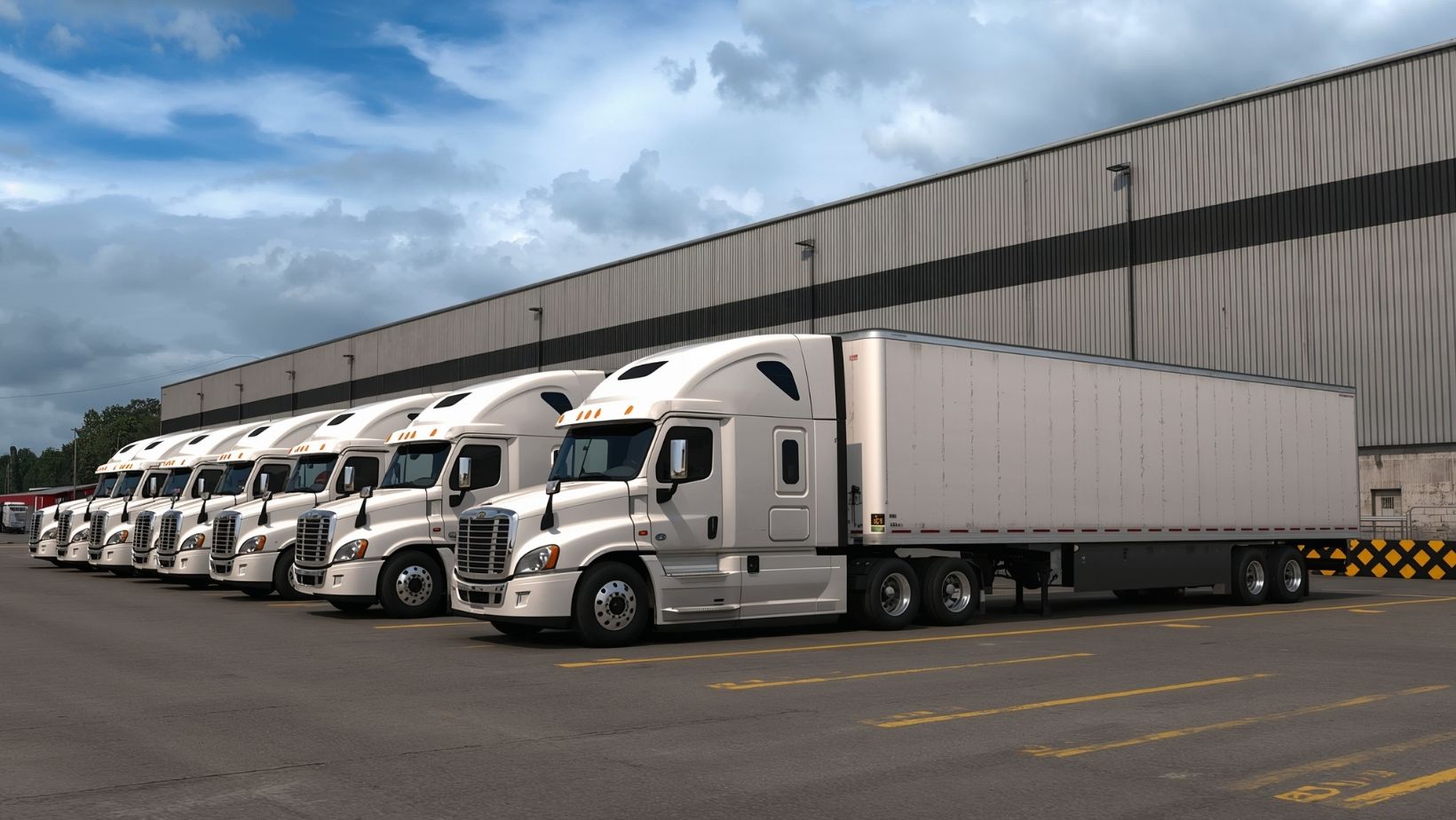
As fleets grow, managing vehicles becomes more complex. Without consistent setups, even basic fleet management tasks become harder to coordinate.
For example:
- Inventory tracking varies from one vehicle to another
- Restocking processes become inconsistent
- Supervisors cannot easily verify what each vehicle carries
This lack of visibility makes it difficult to maintain operational efficiency. It also increases the likelihood of duplicate purchases or missing equipment.
Consistent van storage solutions help create a more predictable system, where each vehicle supports the same level of readiness.
Ignoring Durability and Long-Term Use
In the early stages of growth, businesses may choose lower-cost or temporary solutions to outfit vehicles. While this can reduce upfront investment, it often leads to higher costs over time.
Common issues include:
- Shelving that loosens or shifts with daily use
- Materials that wear down quickly under load
- Systems that require frequent repairs or replacements
Durability plays a key role in maintaining performance across a fleet. Vehicles are used daily, often in demanding environments. Upfitting solutions must be designed to handle that level of use consistently.
Failing to account for long-term durability can result in ongoing disruptions and added maintenance.
Lacking a Strategy for Scaling Service Teams
As teams expand, onboarding new technicians becomes a critical part of operations. Without standardized vehicle setups, training becomes more complicated.
New hires must learn:
- Different layouts depending on the assigned vehicle
- Where tools are stored in each configuration
- How to adapt to inconsistent setups
This slows down onboarding and increases the risk of mistakes on job sites.
A standardized approach reduces this learning curve. When every vehicle follows the same structure, technicians can move between vans without needing to relearn the layout.
Many growing businesses address this challenge by adopting a structured fleet upfitting approach that aligns vehicle design with team workflows and long-term operational goals. This type of system supports consistency across the fleet while allowing for controlled scalability.
Building Consistency to Support Business Growth
Fleet consistency is not just about organization. It directly affects how efficiently a business can operate as it grows.
When vehicles are set up with a clear, repeatable structure:
- Technicians work more efficiently across all jobs
- Training becomes faster and more predictable
- Inventory and equipment management improve
- Daily operations become easier to coordinate
Using real-world examples, providers in regions like the Tri-City area help businesses implement consistent systems that align with how their teams work in the field.
A well-planned approach to fleet van upfitting ensures that each additional vehicle strengthens operations rather than adding complexity. By avoiding common setup mistakes, trade businesses can build a fleet that supports both current demands and future growth.