



Think You’re a Safe Driver? This Might Change Your Mind
Most people believe they are safe drivers. They don’t speed, they don’t drink and drive, and they always buckle up. But what if the most dangerous things we do behind the wheel are the small, everyday habits we never even think about?
These seemingly harmless routines are a factor in thousands of crashes every year. This visual story will uncover seven of these surprising habits that dramatically increase your risk of an accident. You might be shocked to find out which ones you’re guilty of.
1. Driving While ‘A Little Tired’

We’ve all done it: pushed through a long drive when our eyes felt a little heavy. But driving while drowsy is far more dangerous than most people realize. In fact, it can be just as deadly as driving drunk because it slows reaction time, impairs judgment, and can lead to microsleeps you don’t even notice.
The Stat: A study by the AAA Foundation for Traffic Safety estimated that drowsy driving is a factor in nearly 1 in 4 fatal crashes.
The Tip: If you feel tired, don’t risk it. Pull over to a safe location, take a 20-minute nap, or grab a coffee to boost your alertness before continuing your journey.
2. Trusting a Green Light Completely
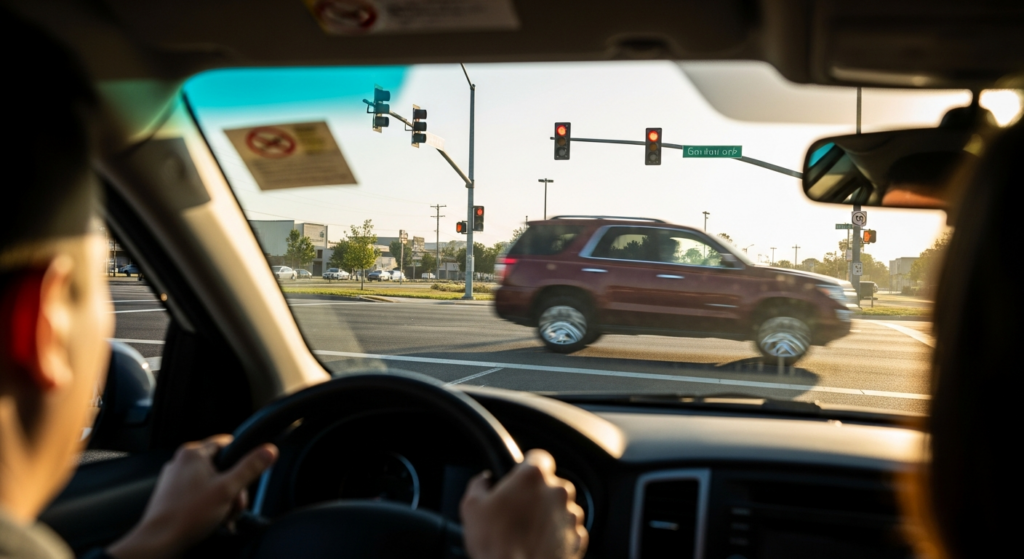
A green light means go, right? While technically true, blindly trusting it can lead to disaster. Intersections are one of the most common places for accidents to occur, often because another driver runs a red light or makes an illegal turn.
The Stat: According to the Federal Highway Administration, more than 50% of all fatal and injury-related crashes in the U.S. happen at or near intersections. Relying solely on the signal without checking your surroundings is a huge gamble.
The Tip: Always practice the ‘left-right-left’ rule. Before you enter an intersection, even with a green light, quickly scan for cross-traffic. This simple habit takes one second and can save your life.
3. The ‘Harmless’ Distraction
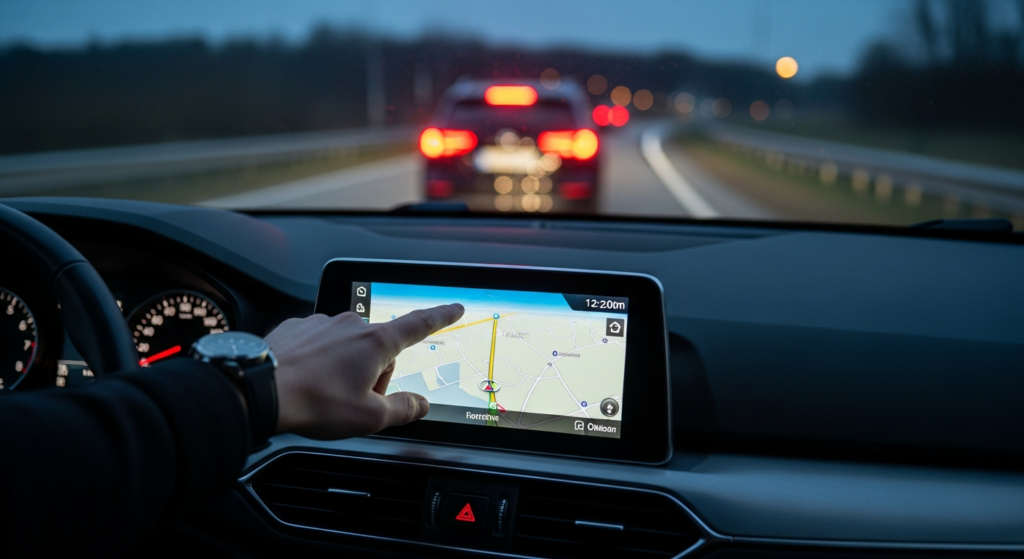
When people think of distracted driving, they usually picture someone texting. But distractions come in many forms: adjusting the radio, talking to a passenger, eating a snack, or even just being lost in thought. Anything that takes your mind off the road, your hands off the wheel, or your eyes off your surroundings is a distraction.
The Stat: In 2021, distracted driving claimed 3,522 lives, and young drivers are especially at risk. According to the NHTSA, 7% of drivers aged 15-20 involved in fatal crashes were reported as distracted.
The Tip: Prepare for your drive before you put the car in gear. Set your GPS, create your music playlist, and finish your coffee before you leave. The road requires your full attention.
4. Driving While Emotional
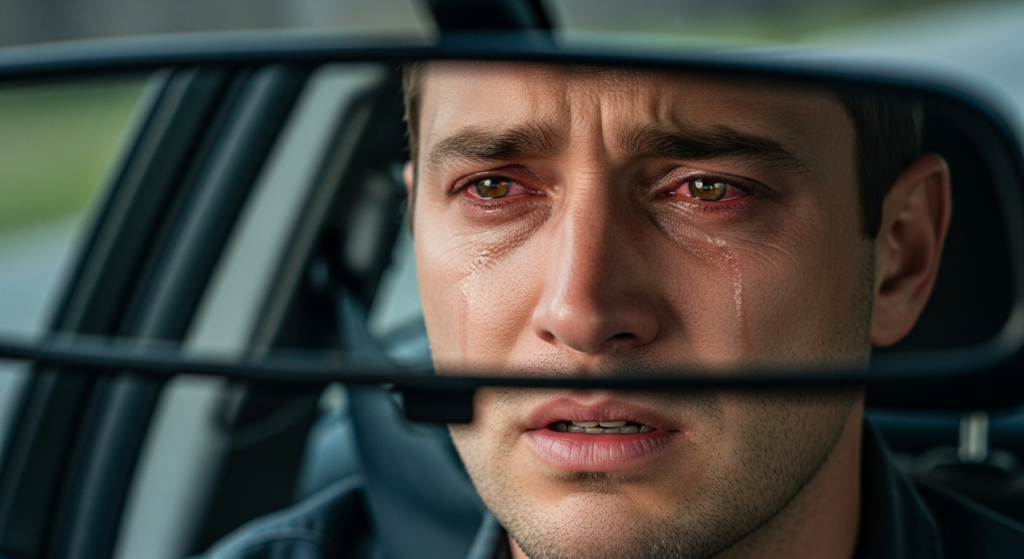
Getting behind the wheel after a heated argument or while feeling upset can be incredibly dangerous. Strong emotions like anger, sadness, or extreme stress significantly impair your ability to focus and make rational decisions, leading to aggressive behaviors like tailgating or speeding.
The Stat: Research from Virginia Tech Transportation Institute found that driving while visibly angry, sad, or crying increases your crash risk by nearly 10 times.
The Tip: If you’re emotionally charged, take a moment to cool down before you drive. Go for a short walk, practice deep breathing, or simply wait until you feel more in control.
Do You Know Your Personal Risk Score?

Many of these habits seem small on their own, but they can add up to create a significant risk profile. Recognizing your own patterns is the first step toward becoming a safer, more conscious driver. The goal isn’t to be perfect, but to stay mindful.
Legal experts are often the first to see the devastating results of these common mistakes. To promote awareness around dangerous driving, a simple self-assessment tool was created to help people evaluate their habits and identify hidden risks before they lead to an accident.
5. Over-relying on Your Car’s ‘Brain’

Modern vehicles are packed with incredible safety technology like lane-keep assist, automatic braking, and adaptive cruise control. While these features are designed to help, they can also lead to a false sense of security, causing drivers to become less attentive.
The Stat: An AAA study found that drivers using advanced driver-assistance systems are often more likely to engage in distracted driving, from texting to eating, because they incorrectly believe the car is doing all the work.
The Tip: Treat your car’s safety features as a helpful co-pilot, not the main pilot. You are always the one in charge. Keep your hands on the wheel and your eyes on the road.
6. Forgetting to Check Your Blind Spot

It’s one of the first things we learn in driver’s ed, yet it’s one of the first habits we forget. Relying only on your mirrors leaves huge areas around your vehicle completely invisible. A car, motorcycle, or cyclist could easily be hiding in your blind spot just as you decide to change lanes.
The Stat: The NHTSA estimates that over 500,000 crashes a year in the U.S. are caused by incidents related to blind spots. That’s a staggering number for such a preventable mistake.
The Tip: Before you merge or change lanes, always perform a quick physical head turn to check your blind spot. It’s called a ‘shoulder check,’ and it’s the only way to be certain the coast is clear.
7. Following Just a Little Too Closely
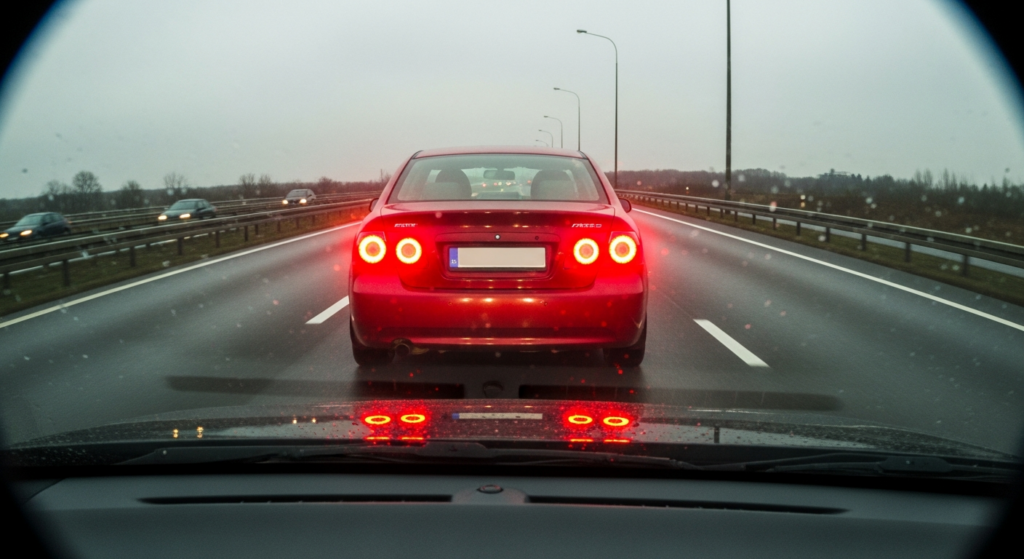
Tailgating isn’t just aggressive; it’s a leading cause of collisions. When you follow the car in front of you too closely, you leave yourself no time to react if they suddenly brake. What feels like a safe distance can disappear in an instant at highway speeds.
The Stat: Rear-end collisions are one of the most frequent types of crashes. According to the National Safety Council, they account for over 40% of all motor vehicle accidents.
The Tip: Use the three-second rule. When the vehicle ahead of you passes a fixed object (like a sign or overpass), start counting. If you arrive at the same point before finishing a three-count, you’re too close behind.
Small Habits, Safer Roads, Better Future

Staying safe on the road isn’t about avoiding one big, catastrophic mistake. It’s about consistently practicing small, smart habits every single time you get behind the wheel. From getting enough rest to giving yourself enough space, these little actions make a world of difference.
By being more mindful of these everyday behaviors, you’re not just protecting yourself—you’re making the road safer for everyone. Your journey to becoming a better driver starts with the simple choices you make today.