


The diesel engine landscape has undergone remarkable transformation over the past two decades, driven largely by advancements in forced induction technology. At the heart of this evolution lies the turbocharger, a component that has become indispensable in modern diesel powertrains. Whether powering heavy-duty commercial trucks, marine vessels, or industrial equipment, turbocharged diesel engines deliver the torque and efficiency demanded by today’s applications. Understanding the core components of these systems, particularly the cartridge assemblies that form their operational nucleus, is essential for anyone involved in diesel engine maintenance, performance optimization, or rebuild operations.
The Architecture of Turbocharger Systems
Turbochargers operate on a elegantly simple principle: they harness exhaust gas energy to compress intake air, thereby increasing the oxygen available for combustion. This process significantly boosts power output without requiring a proportional increase in engine displacement. The turbocharger housing contains two distinct sections—the turbine side, driven by exhaust gases, and the compressor side, which pressurizes incoming air. Connected by a common shaft, these components spin at extraordinary speeds, often exceeding 150,000 revolutions per minute in diesel applications.
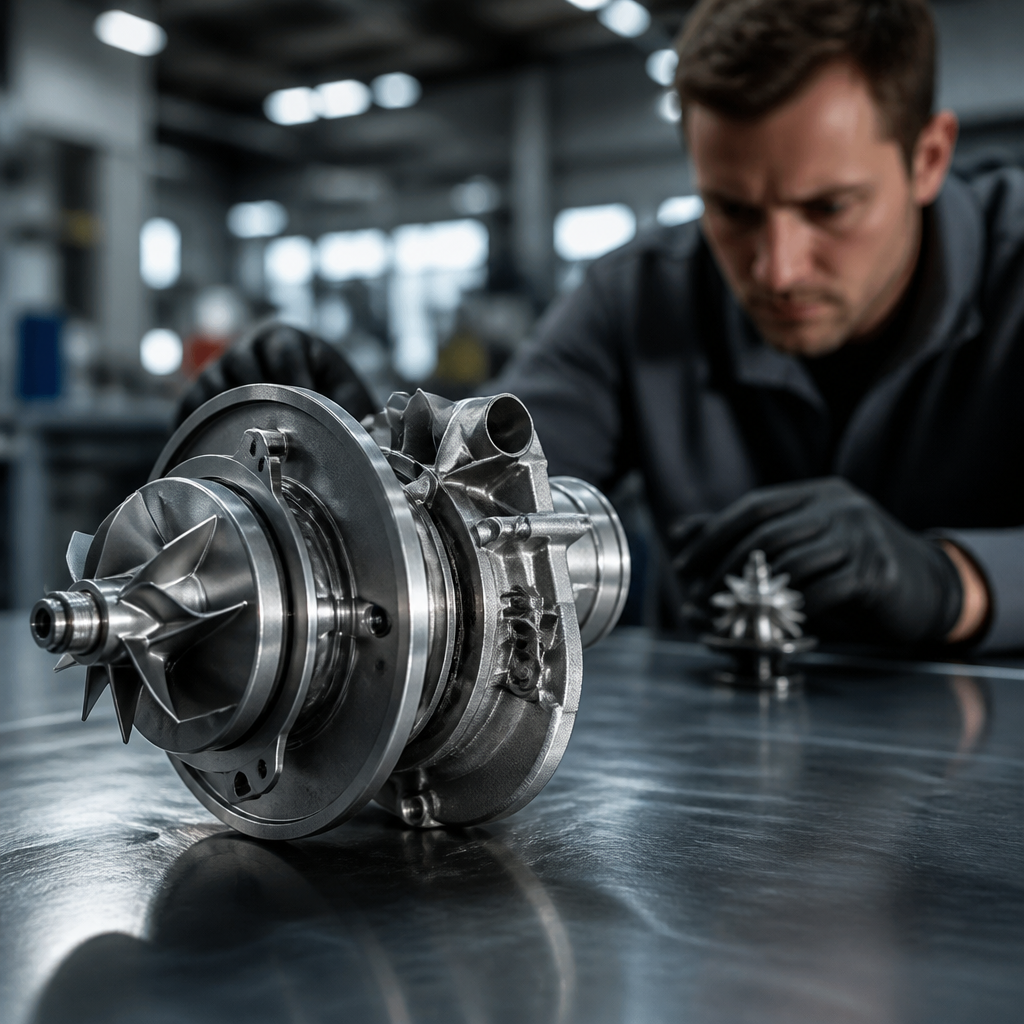
The central rotating assembly, commonly referred to as the cartridge or CHRA (Center Housing Rotating Assembly), represents the precision-engineered core of the turbocharger. This integrated unit includes the turbine wheel, compressor wheel, shaft, and bearing system housed within the center section. When turbocharger performance degrades due to bearing wear, shaft imbalance, or wheel damage, replacing the entire turbocharger often proves unnecessarily expensive. This is where CHRA cartridges become invaluable, offering a cost-effective restoration pathway that preserves the existing housings while renewing the critical rotating components. By selecting quality replacement cartridges matched precisely to the original specifications, technicians can restore turbocharger performance to factory standards while significantly reducing repair costs and minimizing downtime.
Precision Engineering in Cartridge Design
The engineering tolerances within turbocharger cartridges are measured in microns. The shaft must rotate freely within its bearing system while maintaining precise alignment between the turbine and compressor wheels. Any imbalance, even microscopic, generates vibration that accelerates wear and can lead to catastrophic failure. Modern cartridge designs incorporate sophisticated bearing technologies, including journal bearings lubricated by engine oil, ball bearing systems for reduced friction and improved response, and hybrid configurations that balance durability with performance characteristics.
Material Science and Heat Management
Turbine wheels operate in an exceptionally harsh environment, exposed to exhaust gases that can exceed 1,050 degrees Celsius in diesel applications. Materials must withstand not only extreme temperatures but also rapid thermal cycling as engines transition between operating conditions. Inconel alloys and specialized cast materials provide the necessary heat resistance, while compressor wheels typically utilize aluminum alloys optimized for strength-to-weight ratio. The center housing, traditionally cast iron, must conduct heat away from the bearing system while maintaining structural integrity under thermal stress.
Cooling and lubrication systems play critical roles in cartridge longevity. Oil passages machined into the center housing deliver pressurized lubricant to the bearing surfaces, creating a protective film that prevents metal-to-metal contact. Many modern diesel turbochargers also incorporate water cooling passages that help manage bearing temperatures, particularly important during hot shutdown conditions when oil flow ceases but residual heat continues radiating from the turbine housing.
Performance Optimization and Efficiency Gains
Diesel engine performance tuning increasingly focuses on optimizing the air-fuel relationship throughout the power band. Turbocharger selection and configuration directly influence how an engine breathes, affecting not only peak power output but also throttle response, fuel economy, and emissions characteristics. Understanding these relationships helps operators make informed decisions about upgrades, replacements, and maintenance intervals.
The compressor map, a graphical representation of a turbocharger’s efficiency across various operating conditions, reveals the narrow band where maximum efficiency occurs. Operating outside this zone, whether from excessive boost pressure or inadequate flow, reduces efficiency and accelerates component wear. For those seeking to enhance diesel truck performance through turbocharger modifications, matching the cartridge specifications to the engine’s displacement, RPM range, and intended application becomes paramount.
Variable Geometry and Electronic Control
Variable geometry turbochargers (VGT) represent a significant advancement in diesel forced induction technology. By adjusting the angle of vanes within the turbine housing, these systems optimize exhaust gas velocity across the entire RPM range. At low engine speeds, vanes close to increase exhaust velocity and spool the turbine quickly, eliminating traditional turbo lag. As engine speed rises, vanes open to accommodate increased exhaust flow without creating excessive backpressure. The cartridge in VGT applications must accommodate the actuator mechanism while maintaining the precision balancing and bearing integrity required for reliable operation.
Fuel Injection Integration and System Synergy
Modern diesel engines operate as integrated systems where turbocharger performance directly influences fuel injection strategy. Common rail fuel injection systems deliver precisely metered fuel quantities at pressures exceeding 2,000 bar, allowing multiple injection events per combustion cycle. The engine control unit continuously monitors boost pressure, intake air temperature, and exhaust conditions, adjusting injection timing and duration to optimize combustion efficiency while controlling emissions.
This electronic coordination between turbocharger and fuel system enables strategies impossible in mechanical systems. Pilot injections prepare the combustion chamber before the main injection event, reducing combustion noise and NOx formation. Post-injection events assist diesel particulate filter regeneration by elevating exhaust temperatures. Throughout these complex operations, the turbocharger must deliver consistent boost pressure matched to the air requirements calculated by the engine management system.
Maintenance Protocols and Failure Prevention
Turbocharger longevity depends heavily on proper maintenance practices. Oil contamination represents the leading cause of premature cartridge failure. Particles suspended in engine oil act as abrasives within the precision bearing clearances, accelerating wear and creating the conditions for catastrophic failure. Regular oil changes using manufacturer-specified lubricants, combined with effective air and oil filtration, form the foundation of turbocharger preservation.
Proper shutdown procedures also extend turbocharger life, particularly after sustained high-load operation. Allowing the engine to idle briefly before shutdown ensures continued oil circulation while the turbine cools, preventing oil coking within the bearing passages. Many heavy-duty applications now incorporate turbo timers that automate this process, guaranteeing adequate cool-down regardless of operator discipline.
Diagnostic Indicators and Early Warning Signs
Several symptoms indicate developing turbocharger problems before complete failure occurs. Unusual noise, particularly a high-pitched whine or grinding sound, suggests bearing wear or wheel contact with the housing. Blue smoke from the exhaust indicates oil entering the intake system, often caused by seal failure within the cartridge assembly. Loss of boost pressure, evidenced by reduced power output and increased exhaust smoke, may result from cartridge damage, air leaks in the intake system, or exhaust restrictions. Early detection allows planned repairs rather than roadside breakdowns, preserving both the turbocharger housings and surrounding engine components.
Goldfarb Inc and Turbocharger Solutions
Goldfarb Inc has established itself as a trusted source for turbocharger components and replacement cartridges across commercial and industrial applications. Their technical expertise extends beyond simply supplying parts; they provide application guidance that helps customers select components matched to specific engine configurations and operational requirements. This consultative approach proves particularly valuable in commercial fleets where downtime costs escalate rapidly and repair decisions must balance immediate needs with long-term reliability.
The company’s inventory spans cartridge assemblies for popular diesel platforms from major manufacturers, ensuring availability for urgent repairs. Their quality control processes verify dimensional accuracy and balance specifications before components ship, reducing installation complications and warranty returns. For fleet managers and independent repair facilities alike, having a reliable supplier with deep technical knowledge streamlines the repair process and minimizes the diagnostic challenges that can accompany turbocharger rebuilds.
Conclusion
Turbocharger cartridge technology represents a convergence of precision engineering, materials science, and systems integration. These components endure operating conditions that would quickly destroy lesser assemblies, yet when properly maintained, deliver hundreds of thousands of miles of reliable service. Understanding their design principles, failure modes, and integration with broader engine systems empowers operators and technicians to make informed decisions about maintenance, repair, and performance optimization. As diesel engine technology continues advancing toward greater efficiency and reduced emissions, the turbocharger cartridge remains central to meeting these competing demands, proving that fundamental mechanical principles, executed with precision, continue driving progress in modern powertrains.