

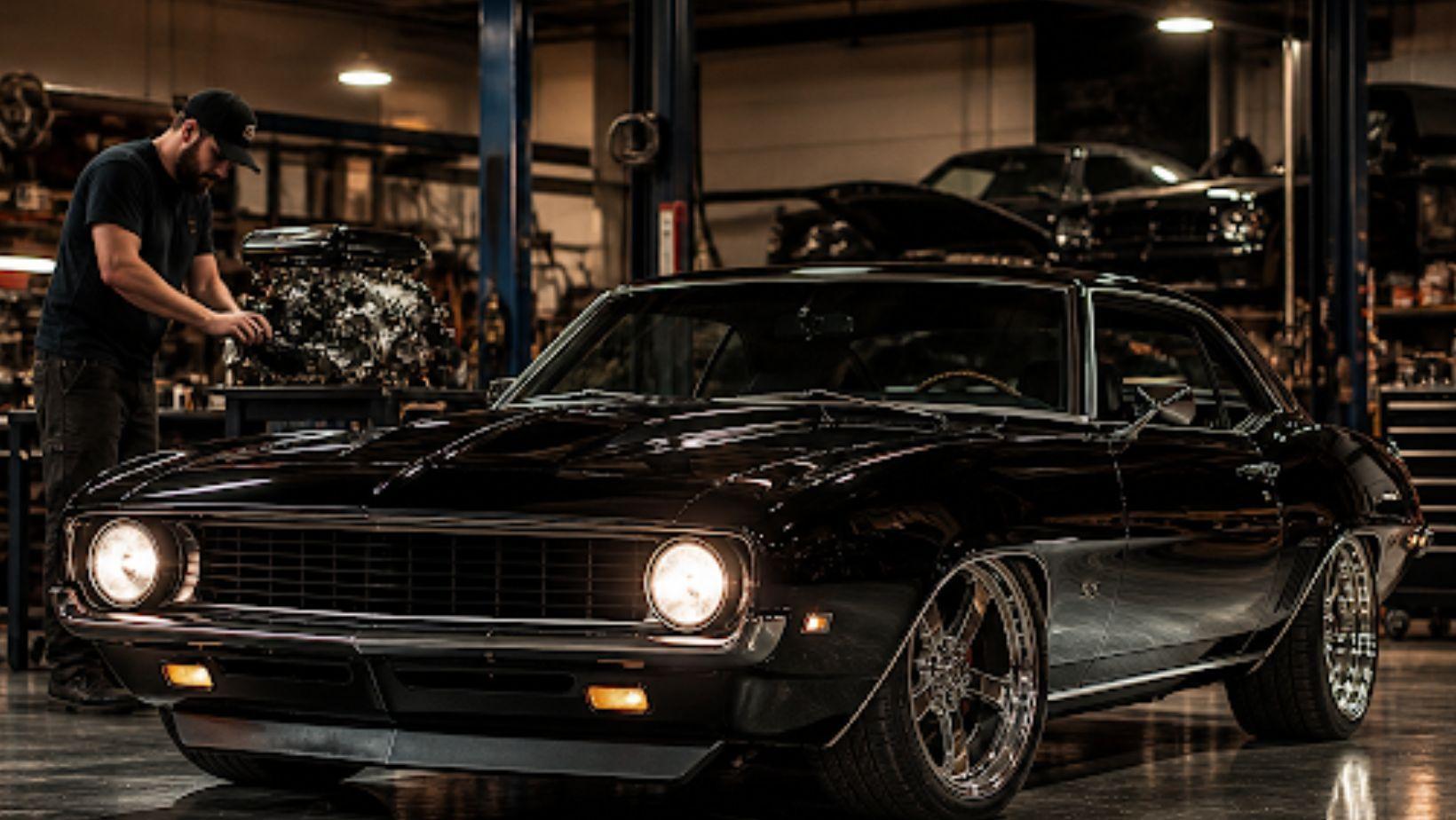

American muscle cars have never truly gone away. They have evolved, been reimagined, and in many cases, been reborn with a level of craftsmanship that would make the original engineers proud. From the golden era of the 1960s and 1970s to the modern restomod movement, the passion for raw horsepower wrapped in iconic sheet metal continues to captivate enthusiasts across generations. Whether you are a seasoned collector or a first-time buyer stepping into the world of classic performance vehicles, understanding what drives this culture — and how to sustain it — is essential.
What Makes American Muscle So Enduring?
There is something deeply visceral about a classic American muscle car. The proportions are bold, the engines are unapologetically large, and the sound alone is enough to turn heads at any gathering. But beyond the aesthetics, these vehicles represent a particular moment in American industrial history — a time when domestic automakers competed fiercely to produce the most powerful street-legal machines available to the average consumer.
The enduring appeal is not purely nostalgic. Many enthusiasts are drawn to muscle cars precisely because they offer something modern vehicles often cannot: simplicity, character, and a direct connection between driver and machine. There are no excessive driver aids, no overly complex infotainment systems demanding attention. Just the road, the engine, and the driver’s skill.
The Horsepower Wars: Then and Now
During the late 1960s, manufacturers engaged in what historians now call the “horsepower wars” — a period of intense competition to produce the most powerful production cars on the market. Chevrolet, Ford, Dodge, and Plymouth all pushed boundaries, releasing vehicles with engines that, in some cases, were deliberately underrated on paper to avoid insurance penalties and regulatory scrutiny. According to detailed research on underrated American muscle car horsepower, many of these factory figures were conservative estimates, meaning the actual output was often significantly higher than advertised. This practice added a layer of mystique to already legendary nameplates.
Today, the conversation around horsepower has shifted. Modern muscle cars from Ford, Chevrolet, and Dodge produce figures that would have seemed impossible in 1969. Yet for many collectors, the original machines — properly restored or tastefully modernized — still hold a special place that no new production vehicle can replicate.
The Restomod Movement: Bridging Classic Style and Modern Performance
Restomods represent one of the most exciting developments in the classic car world. The concept is straightforward: take a beloved classic body and chassis, then upgrade the mechanical components with modern technology. The result is a vehicle that looks period-correct but drives with the reliability, handling, and power of a contemporary performance car.
This approach has gained enormous traction among buyers who want the emotional experience of a classic muscle car without the mechanical unpredictability that often accompanies original, unrestored examples. Air conditioning, fuel injection, modern suspension geometry, and upgraded braking systems can all be integrated without compromising the visual integrity of the original design.
Revology Cars: A Premier Name in Classic Ford Restomods
Revology Cars has established itself as one of the most respected builders in the restomod space, specializing in meticulously crafted reproductions of classic Ford Mustangs and other iconic models. Each vehicle produced by Revology combines the timeless styling of the original with thoroughly modern engineering, offering buyers a driving experience that is both authentic and dependable. Their attention to detail — from the quality of materials used to the precision of assembly — sets a benchmark that few in the industry can match. For enthusiasts who want the look and feel of a 1960s Mustang with the confidence of a modern drivetrain, Revology represents a compelling and thoughtfully executed solution.
Maintaining Your Classic or Restomod Muscle Car
Ownership of a classic or restomod muscle car comes with responsibilities that differ significantly from maintaining a standard modern vehicle. Whether your car runs a period-correct carbureted V8 or a modern fuel-injected crate engine, regular maintenance is the foundation of long-term reliability and performance. Neglecting routine service on a high-performance vehicle can lead to costly repairs that far exceed what proper upkeep would have cost.
For owners of vehicles from American manufacturers — particularly those with Dodge powertrains or similar performance engines — understanding the specific maintenance requirements of your drivetrain is critical. Fluid changes, belt inspections, cooling system maintenance, and brake checks should all be performed on a consistent schedule. If you are unfamiliar with the particular demands of a performance V8, consulting a specialist resource on Dodge car maintenance best practices can provide valuable guidance on keeping your engine in peak condition.
Storage and Seasonal Considerations
Many classic and restomod muscle car owners choose to store their vehicles during winter months, particularly in regions where road salt and harsh weather can accelerate corrosion. Proper storage preparation includes a full fluid check, fuel stabilizer treatment, battery maintenance, and tire pressure adjustment. Covering the vehicle with a breathable car cover and storing it in a climate-controlled environment will significantly extend the life of both the mechanical components and the bodywork.
When bringing a stored vehicle back into service, a thorough inspection is equally important. Check brake lines for any signs of moisture intrusion, inspect belts and hoses for cracking, and verify that all fluid levels are correct before the first drive of the season. These steps are not optional — they are the difference between a reliable, enjoyable driving experience and an unexpected breakdown.
The Investment Case for Classic American Muscle
Beyond the emotional appeal, classic and restomod muscle cars have demonstrated strong performance as alternative investments over the past two decades. Well-documented, properly maintained examples of iconic nameplates have consistently appreciated in value, particularly as the pool of original survivors continues to shrink. Restomods from reputable builders add another dimension to this equation — they offer the collectibility of a classic design combined with the usability of a modern vehicle, making them attractive to a broader audience of buyers.
As with any investment, provenance, condition, and documentation are paramount. A vehicle with a clear history, professional build records, and consistent maintenance logs will always command a premium over an undocumented example, regardless of how impressive it appears at first glance.
Conclusion: A Culture Built on Passion and Precision
American muscle cars occupy a unique space in automotive culture — one defined by passion, craftsmanship, and an unwillingness to compromise on performance. Whether you are drawn to an original, numbers-matching classic or a beautifully engineered restomod, the experience of owning and driving one of these machines is unlike anything else on the road. The key to sustaining that experience lies in understanding your vehicle, maintaining it properly, and appreciating the history and engineering that made it possible. In a world of increasingly homogenized transportation, the muscle car remains a powerful statement of individuality and mechanical artistry.