

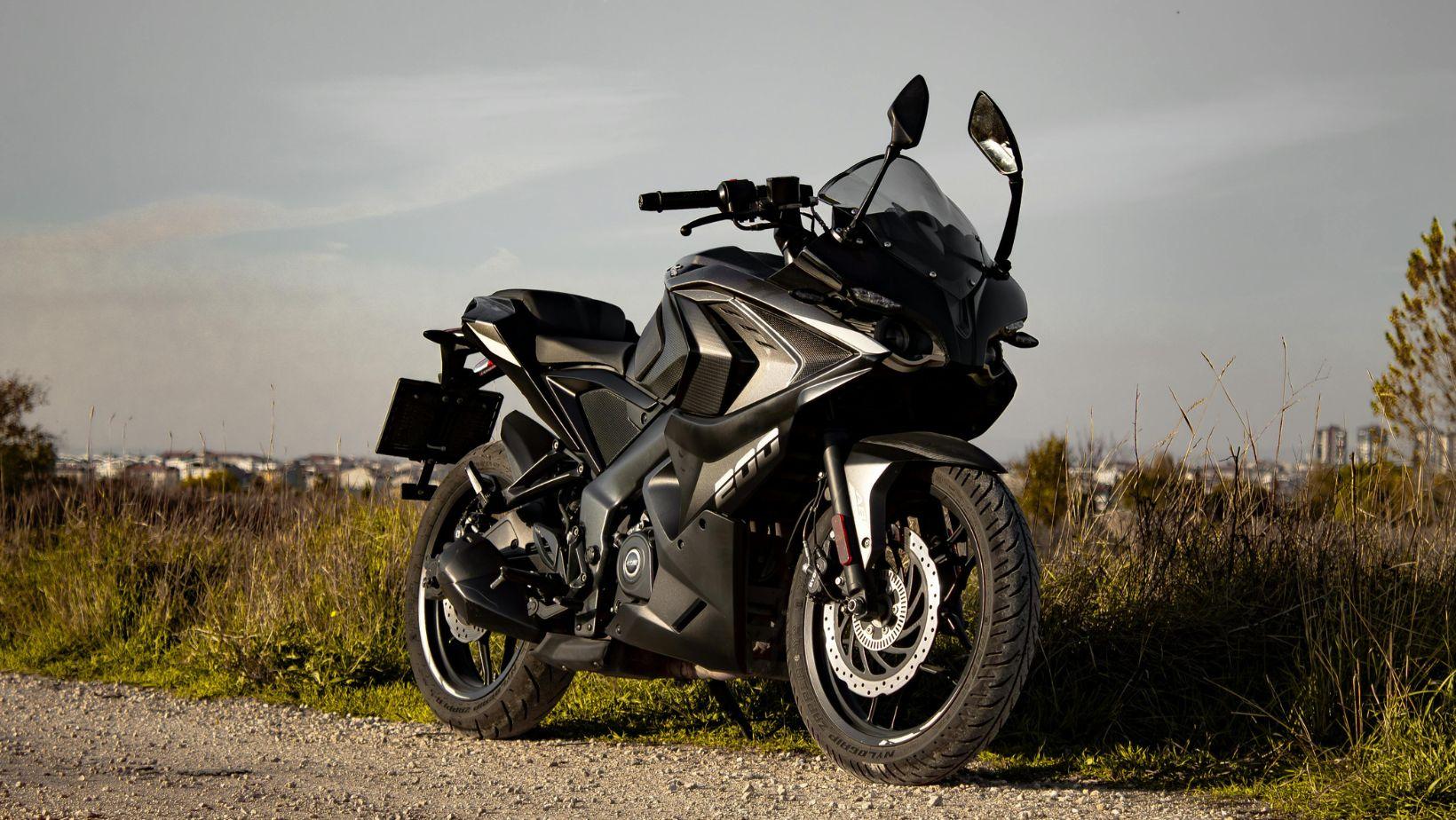

If you are asking, “What’s my motorcycle worth if I want to sell it?”, the answer depends on more than the bike’s year and mileage. Condition, demand, location, service history, modifications and current comparable sales can all affect the number.
Motorcycles average roughly 3,000 miles per year, although mileage alone does not determine value. Updated September 2026, here is how four different selling routes approach motorcycle valuation and what sellers should expect.
Cycle Trader
Cycle Trader is primarily a marketplace rather than a direct motorcycle buyer. Its platform connects sellers with prospective buyers and provides valuation resources based on comparable motorcycles.
- Pricing/valuation methodology: Its valuation guidance considers make, model, year, mileage, condition, comparable listings and current market value.
- Vehicle condition tiers: As per Market Research Future analysis, the US used bike market size was estimated at 5.33 USD billion in 2024. The seller determines how the motorcycle is represented in the listing. Condition, defects and maintenance information should be disclosed clearly.
- Process/timeline: Sellers create and manage their listing themselves. The time to sell depends on demand, pricing and buyer response.
- Payment method: Cycle Trader does not normally purchase the motorcycle or set the transaction payment method. Buyer and seller arrange payment directly.
- Service area/coverage: The marketplace serves sellers and buyers nationwide. Its broader Trader Interactive portfolio reports millions of monthly visitors.
- Vehicle types accepted: Cycle Trader focuses on motorcycles. Other powersports categories are handled through separate marketplace properties.
- Pros/cons vs private sale: It is effectively a structured version of a private sale, giving sellers access to a larger audience. However, the seller still handles most of the work.
- Pros/cons vs trade-in at dealership: A marketplace can expose the motorcycle to more potential buyers and potentially produce a higher price. A dealership trade-in is usually faster and involves less seller management.
- Title/paperwork requirements: The seller remains responsible for completing the title and transaction paperwork according to applicable state requirements.
- Free pickup/towing: Pickup is not generally part of the marketplace service. The buyer and seller arrange transportation.
Pros:
- Large buyer audience
- Potential to negotiate directly
- Structured process
Cons:
- Seller handles inquiries, fraud precautions, negotiations and transaction logistics
Powersport Buyers
Powersport Buyers specializes in motorcycles and other powersport vehicles rather than cars. The company operates over 200 locations globally as a division of Copart.
- Pricing/valuation methodology: Offers consider condition, age, mileage, local and national sales data, market demand, seasonality and location. Offers remain valid for three days.
- Vehicle condition tiers: Running motorcycles are evaluated normally. Non-running vehicles are considered case by case. Sellers should disclose damage and mechanical problems accurately.
- Process/timeline: A seller submits vehicle details and photos, typically receives an offer within 24 hours, then arranges pickup after accepting it. Most vehicles are picked up within 3–5 business days.
- Payment method: Powersports buyers can use several payment methods depending on whether they purchase from a dealership, an auction, or a specialized buying service.
- Service area/coverage: The company purchases throughout the lower 48 states. Its seller feedback can also be reviewed through Trustpilot.
- Vehicle types accepted: Motorcycles, dirt bikes, quads/ATVs and side-by-sides/UTVs are specifically listed.
- Pros/cons vs private sale: The main advantage is speed and convenience. A private sale may produce more money, but requires advertising, answering inquiries, negotiating and arranging payment and pickup.
- Pros/cons vs trade-in at dealership: It provides cash without requiring another vehicle purchase. A dealer trade-in may be more convenient when replacing the motorcycle but can limit sellers to the dealership’s buying criteria.
- Title/paperwork requirements: Sellers provide title information, a signed title, identification and pickup details. Powersport Buyers also works with more than 40 powersport lenders for vehicles with liens.
- Free pickup/towing: Free nationwide pickup is advertised, including for motorcycles, dirt bikes, ATVs and side-by-sides.
Pros:
- Specialist buyer
- Fast quote
- Nationwide pickup
Cons:
- A direct-buy offer may be low
Cash 4 Motorcycles
Cash 4 motorcycle services provide another direct-sale alternative. One established example, Cash4Motorcycles, has operated since 2005 and buys motorcycles and other powersports vehicles nationwide.
- Pricing/valuation methodology: Quotes are based on the motorcycle’s make, model, condition and other vehicle details, with the buyer looking for vehicles it can resell.
- Vehicle condition tiers: Its stated preference is for clean, late-model, low-mileage motorcycles. It does not buy junk or scrap motorcycles, although some bikes needing minor mechanical work may qualify.
- Process/timeline: The process is quote, acceptance, pickup and payment. The company advertises a fast, no-obligation quote.
- Payment method: The service advertises cash payment, although sellers should confirm the exact payment method before completing a transaction.
- Service area/coverage: Nationwide purchasing and pickup are advertised.
- Vehicle types accepted: Motorcycles, ATVs, dirt bikes, side-by-sides and personal watercraft are among the listed categories.
- Pros/cons vs private sale: The direct-buy route eliminates much of the advertising and negotiation involved in a private sale. A private buyer may still offer more if the motorcycle attracts strong demand.
- Pros/cons vs trade-in at dealership: It can provide an alternative when a dealership is not interested in the motorcycle. A trade-in may be simpler if the seller is buying another powersports vehicle.
- Title/paperwork requirements: Title and ownership requirements can vary by state and transaction, so sellers should confirm documentation before pickup.
- Free pickup/towing: Nationwide pickup is advertised, but sellers should confirm whether transportation is free for their specific transaction.
Pros:
- Specialist buyer
- Nationwide service
- Fast transactions
Cons:
- Vehicle eligibility is more selective
CarMax
CarMax is a major vehicle retailer and buyer, but it is car-focused rather than a motorcycle buyer. It is therefore useful mainly as a comparison for how a large direct-buy model works.
- Pricing/valuation methodology: CarMax considers VIN, mileage, vehicle history and overall condition when appraising cars.
- Vehicle condition tiers: CarMax evaluates cars based on their actual condition and history. Its motorcycle applicability is not established.
- Process/timeline: CarMax offers online or in-person car appraisals. With online preparation, sellers can potentially complete the transaction in 30 minutes or less. Offers remain valid for seven days.
- Payment method: CarMax pays sellers using a bank draft.
- Service area/coverage: CarMax has more than 250 locations and offers at-home pickup to the majority of customers nationwide.
- Vehicle types accepted: Its selling service is for cars, not motorcycles, ATVs or UTVs.
- Pros/cons vs private sale: For a qualifying car, CarMax removes much of the negotiation and coordination involved in a private sale. A private buyer could potentially pay more.
- Pros/cons vs trade-in at dealership: CarMax allows a seller to sell without purchasing another vehicle. A trade-in can combine the sale and purchase into one transaction but may tie the seller to the dealership.
- Title/paperwork requirements: Requirements depend on the vehicle and transaction, with identification, keys and applicable ownership documentation needed to finalize a sale.
- Free pickup/towing: At-home pickup is available for qualifying car transactions in many areas, but this does not extend its service to motorcycles.
Pros:
- Established appraisal process
- Fast payment
- Multiple selling options
Cons:
- Its buying service is car-focused
Motorcycle Selling Options Compared
|
Entity |
Valuation |
Payment |
Coverage |
Main advantage |
|
Cycle Trader |
Comparables and market listings |
Buyer/seller arranged |
Nationwide |
Large marketplace |
|
Powersport Buyers |
Condition, mileage, market data |
Business check |
Nationwide |
Powersports specialist |
|
Cash for Motorcycles |
Vehicle details and resale demand |
Cash/confirm |
Nationwide |
Direct purchase |
|
CarMax |
Vehicle condition and history |
Bank draft |
Nationwide |
Fast car sales |
Conclusion
The Problem: Motorcycle values are not fixed numbers. A valuation guide can provide a useful benchmark, but an actual purchase offer also reflects current demand, condition, resale costs and the buyer’s ability to move the vehicle.
Key Takeaways
- Condition, mileage, age and demand all affect motorcycle value.
- Private sales may offer higher prices but require more work.
- Specialist buyers can simplify pickup, paperwork and payment.
- CarMax is relevant for comparison but does not provide a motorcycle-selling route.
- Getting multiple valuations is the best way to judge whether an offer is competitive.
Next Steps: Start by gathering the VIN, mileage, title information, maintenance records and clear photos of the motorcycle. Then compare a specialist offer with current private-market listings and trade-in estimates before deciding where to sell.
Frequently Asked Questions
How can I find out what my motorcycle is worth before selling?
Compare recent prices for the same year, make and model, then adjust for mileage, condition, maintenance, modifications and demand.
Does mileage determine how much my motorcycle is worth?
No. Mileage matters, but condition and maintenance history can be equally important. J.D. Power notes that motorcycles average about 3,000 miles per year.
Will I get more selling my motorcycle privately?
Possibly. A private sale can produce a higher price, but the seller takes on advertising, negotiations, buyer screening and transaction risks.
Can I sell a motorcycle that does not run?
Some specialist buyers consider non-running motorcycles, but eligibility varies. Always disclose the mechanical condition before requesting an offer.