

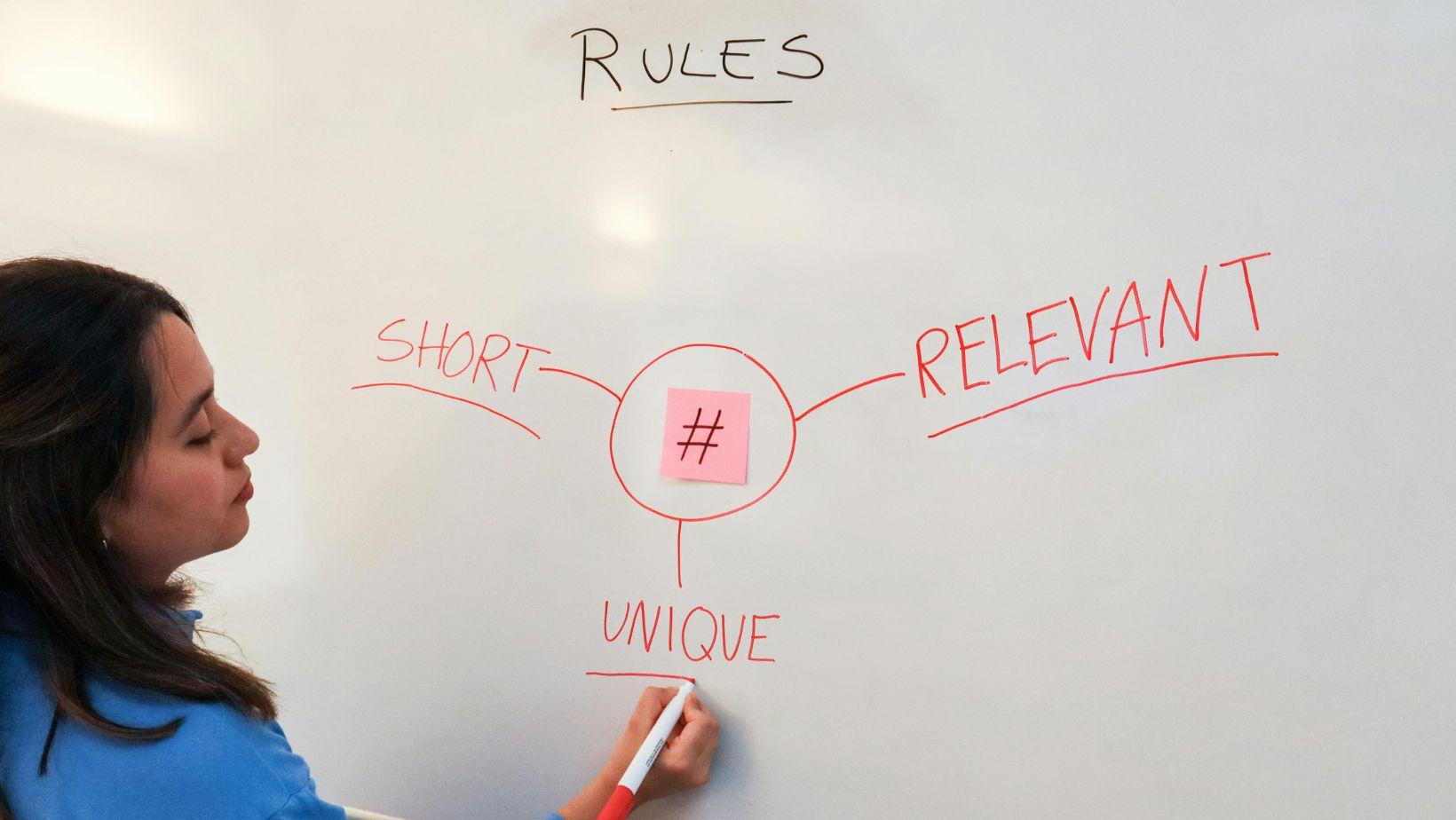

Why Instagram Hashtag Strategy Still Matters in 2026
Hashtags haven’t disappeared from Instagram’s ranking signals, but their role has shifted from being a primary discovery mechanism to a supporting categorization signal alongside engagement and watch-time data.
How Hashtags Fit Into Instagram’s Current Discovery System
Instagram’s discovery system today weighs engagement velocity, watch-time, and shares far more heavily than hashtag volume alone. Hashtags still help the platform understand what a post is about and who might be interested in it, but they no longer function as a standalone growth lever the way they did in earlier versions of the platform.
What Changed Since Previous Hashtag Best Practices
Older hashtag advice often recommended maximizing hashtag count — using close to the platform’s maximum limit on every post. That approach has become less effective as Instagram’s algorithm has shifted toward rewarding relevance and engagement quality over sheer keyword coverage, making a more targeted hashtag strategy the better approach in 2026.
How Many Hashtags to Use in 2026
The Case for Fewer, More Targeted Hashtags
A smaller, well-chosen set of hashtags — often somewhere in the single digits rather than the maximum allowed — tends to perform better because each hashtag more precisely matches the content and its intended audience, rather than casting a wide, unfocused net.
When Using More Hashtags Still Makes Sense
Some accounts, particularly newer ones with little existing reach, may still benefit from testing a slightly larger hashtag set to see which combinations drive measurable reach, before narrowing down to the best-performing subset over time.
Types of Hashtags to Include in Your Strategy
Broad/Category Hashtags
Broad hashtags describe a general content category (such as a topic or industry) and typically have high search volume but also high competition, making them useful for visibility but unreliable as a sole strategy.
Niche-Specific Hashtags
Niche hashtags target a smaller, more specific audience segment and generally carry less competition, making them more likely to reach viewers who are genuinely interested in that specific type of content.
Branded and Community Hashtags
Branded hashtags — unique to a business, campaign, or creator — help build a searchable, recognizable identity over time and are especially useful for tracking user-generated content tied to a specific brand or campaign.
Location-Based Hashtags
Location hashtags connect content to a specific city, region, or venue, and are particularly effective for local businesses or creators trying to reach an audience tied to a physical place.
Building a Repeatable Hashtag Strategy Instead of Guessing Each Time
Why Using the Same Hashtags Every Post Can Hurt Reach
Repeating an identical hashtag set on every post can reduce its effectiveness over time, since the same fixed group of tags stops adapting to what’s actually resonating with a specific piece of content or a shifting audience.
Using an Instagram Hashtag Generator to Save Time and Stay Consistent
Manually researching new hashtag combinations for every single post is time-intensive, which is why many creators and marketers use an Instagram hashtag generator to quickly surface relevant, rotating hashtag suggestions based on the content itself, rather than relying on the same static list post after post.
How to Test and Refine Your Hashtag Strategy Over Time
Tracking Reach and Impressions From Hashtags
Instagram’s built-in insights break out how much of a post’s reach came from hashtags specifically, which makes it possible to see whether a given hashtag set is actually contributing to discovery or simply along for the ride.
Rotating and Updating Hashtag Sets Regularly
Reviewing and updating hashtag sets on a regular schedule — rather than setting one list and never revisiting it — helps a hashtag strategy stay aligned with both platform changes and shifts in what a specific audience is currently engaging with.
Frequently Asked Questions
Do hashtags still help with reach in 2026?
Yes, though their impact is more modest than in earlier years — hashtags now function best as a supporting signal for content categorization and non-follower reach, rather than as the primary driver of growth on their own.
Should hashtags go in the caption or the first comment?
Both placements are treated similarly by Instagram’s current systems, so the choice mostly comes down to visual preference — keeping a caption clean by placing hashtags in the first comment, versus keeping everything in a single caption for simplicity.
Can an Instagram hashtag generator replace manual research entirely?
Not entirely — an Instagram hashtag generator is most effective as a starting point that speeds up discovery of relevant tags, but pairing it with a review of performance data over time still produces the strongest long-term results.