



Car detail Calgary is a transformative process that restores your vehicle’s appearance to near-showroom condition. From deep cleaning to polishing and waxing, detailing rejuvenates the paintwork and enhances the overall aesthetic appeal. However, the benefits of detailing can be short-lived if proper care isn’t taken afterward. Protecting your car’s paint post-detailing is essential to maintain its shine, prevent damage, and extend the life of the finish. This article explores the best practices and strategies to safeguard your car’s paint after detailing.
Understanding the Vulnerability of Freshly Detailed Paint
After detailing, your car’s paint is at its most vulnerable. The surface has been cleaned of contaminants, polished to remove imperfections, and sealed with wax or other protective coatings. While these treatments offer a layer of defense, they are not impervious to environmental hazards. UV rays, acid rain, bird droppings, tree sap, road salt, and even improper washing techniques can degrade the finish over time. The goal is to create a maintenance routine that reinforces the protection applied during detailing and minimizes exposure to harmful elements.
The Importance of Regular Washing
One of the simplest yet most effective ways to protect your car’s paint is through regular washing. Dirt, dust, and pollutants can accumulate quickly, dulling the shine and potentially causing micro-abrasions. It’s recommended to wash your car every one to two weeks using the two-bucket method—one bucket for soapy water and another for rinsing the mitt. This technique reduces the risk of transferring grit back onto the paint. Always use a pH-balanced car shampoo and a microfiber wash mitt to avoid scratching the surface.
Avoid automatic car washes with abrasive brushes, as they can cause swirl marks and strip away protective coatings. Instead, opt for touchless car washes or hand washing. After washing, dry the car with a clean microfiber towel to prevent water spots, which can etch into the paint if left untreated.
Reapplying Protective Coatings
Detailing often includes the application of wax, sealant, or ceramic coating. These products provide a barrier against contaminants and enhance the paint’s gloss. However, their effectiveness diminishes over time. Wax typically lasts four to six weeks, sealants can last up to six months, and ceramic coatings may offer protection for two to five years depending on the product and maintenance.
To maintain protection, reapply wax or sealant as needed. For ceramic-coated vehicles, use a maintenance spray or topper recommended by the manufacturer to refresh the hydrophobic properties. These products help repel water, dirt, and grime, making future cleaning easier and preserving the paint’s clarity.
Using Paint Protection Film and Vinyl Wraps
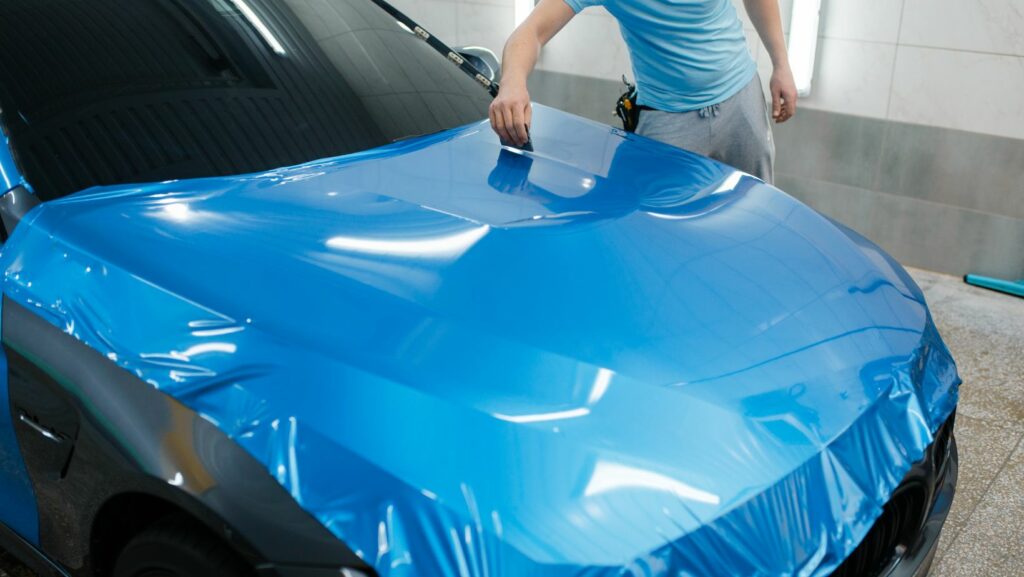
For long-term protection, consider installing paint protection film (PPF) or a vinyl wrap. PPF is a transparent urethane film applied to high-impact areas such as the hood, bumper, and side mirrors. It acts as a shield against rock chips, scratches, and chemical stains. Vinyl wraps offer similar protection and come in various colors and finishes, allowing for customization.
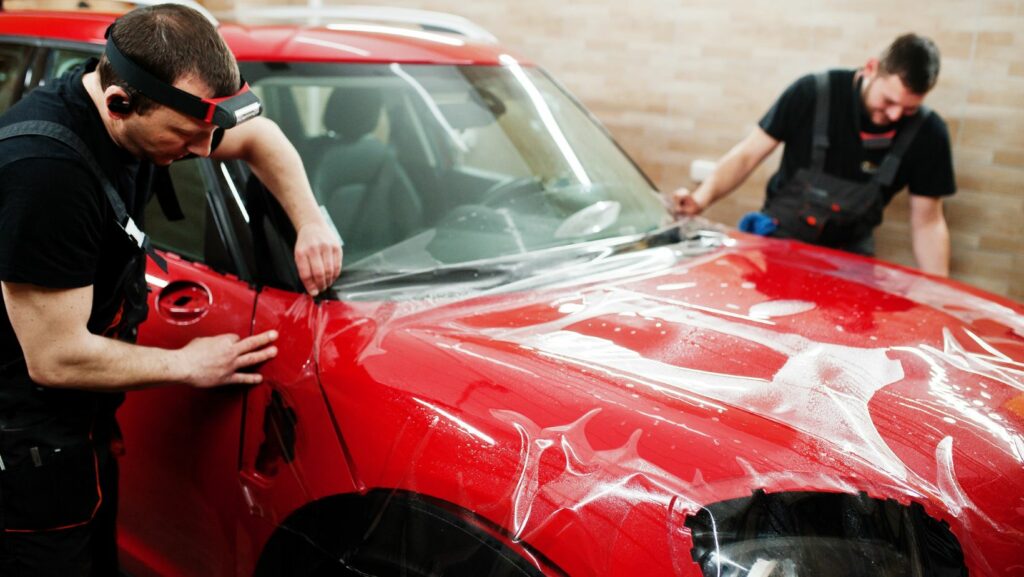
Both options require professional installation and can be costly, but they provide superior defense against physical and environmental damage. Regular cleaning and occasional polishing of the film or wrap ensure it remains effective and visually appealing.
Parking Smartly to Minimize Exposure
Where and how you park your car can significantly influence the longevity of its paint. Whenever possible, park in shaded areas or covered garages to reduce exposure to UV rays, which can cause fading and oxidation. Avoid parking under trees, as falling sap, leaves, and bird droppings can damage the paint. If you must park outdoors, consider using a high-quality car cover designed for your vehicle’s size and shape.
Car covers protect against dust, moisture, and sunlight, but they must be clean and breathable to prevent scratching and mold growth. Never use a cover on a dirty car, as trapped debris can abrade the paint.
Mindful Driving and Road Conditions
Driving habits also play a role in paint preservation. Avoid driving too closely behind other vehicles, especially on gravel roads, to reduce the risk of rock chips. Be cautious in construction zones and areas with loose debris. During winter, road salt can corrode the paint and undercarriage. Rinse your car regularly during snowy months and apply a sealant before winter begins to create a protective barrier.
In rainy seasons, water mixed with pollutants can leave mineral deposits on the paint. Dry your car promptly after rain and use a quick detailer spray to restore gloss and remove residues.
Routine Inspections and Touch-Ups
Regularly inspect your car’s paint for chips, scratches, or signs of wear. Addressing minor imperfections early can prevent them from worsening. Touch-up paint kits are available for small chips and can be applied at home with care. For deeper scratches or fading, consult a professional detailer for correction.
Maintaining a log of detailing dates, product applications, and inspections helps track the condition of your car’s paint and plan future maintenance. This proactive approach ensures your vehicle remains in top shape and retains its value.
Conclusion: A Commitment to Preservation
Protecting your car’s paint after detailing is not a one-time effort but an ongoing commitment. By adopting a consistent maintenance routine, using quality products, and being mindful of environmental factors, you can preserve the brilliance of your vehicle’s finish for years to come. Whether you’re a car enthusiast or simply want to maintain your investment, these practices offer a roadmap to keeping your car looking its best long after the detailing is done. For a showroom-worthy shine that lasts, trust the experts at Cardetailcalgary.com to bring your vehicle’s beauty back to life.