

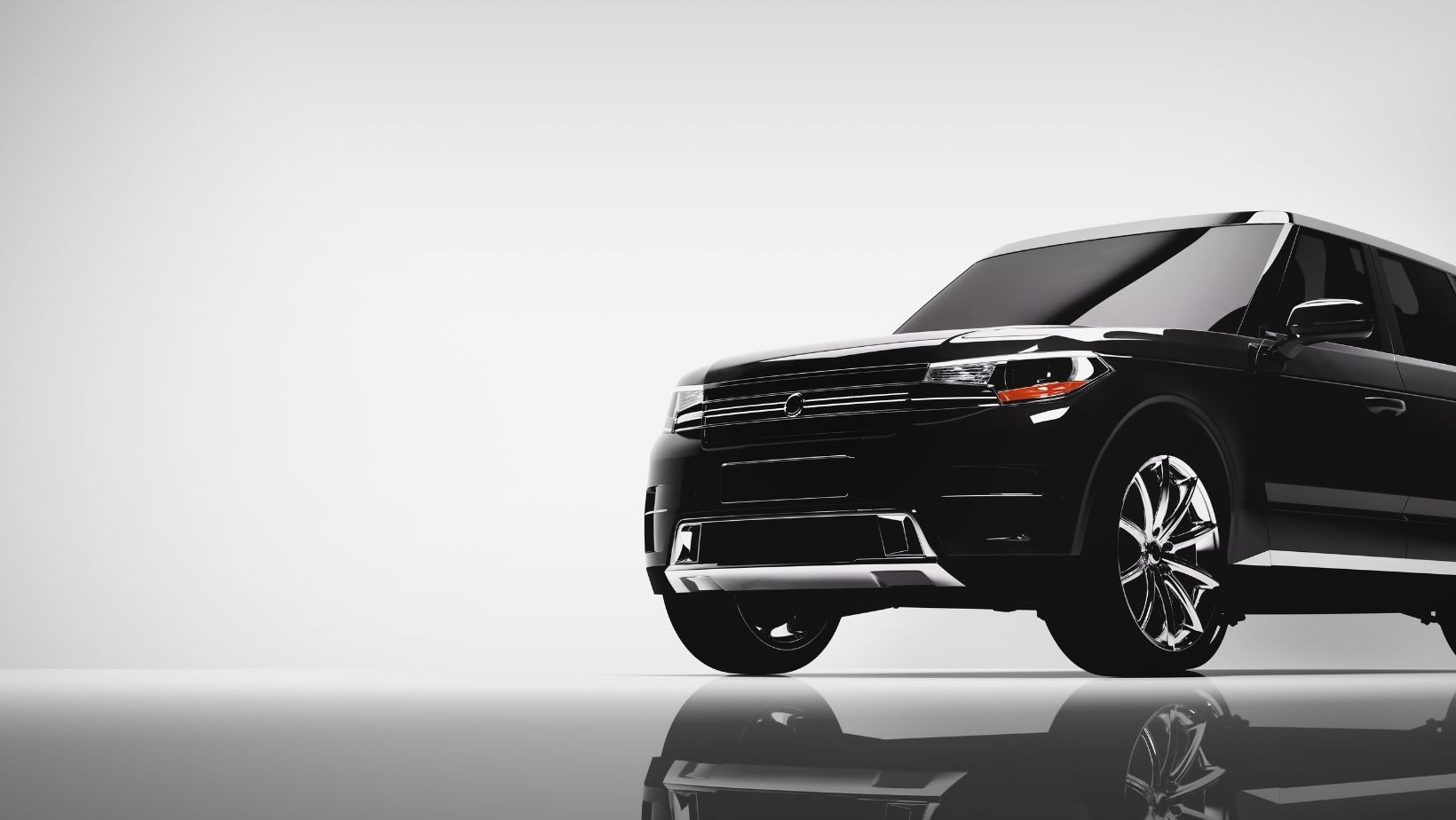

SUVs are no longer just for off-road enthusiasts or large families — they’ve evolved into one of the most versatile vehicle categories on the road. Whether you’re a weekend adventurer, a city commuter, or a parent hauling kids to school, there’s an SUV built to suit your lifestyle. The challenge? Finding the right one that balances comfort, capability, and value.
From compact crossovers to rugged off-roaders, the perfect SUV depends on what you need it for — not just how it looks in the driveway. If you’re looking for a dependable all-rounder that blends performance and practicality, models like the Mazda BT-60 from Edwardstown Mazda demonstrate how modern SUVs can do it all — without compromise.
Here’s how to narrow down your choices and choose an SUV that genuinely fits your life.
1. Think About How You’ll Use It Most
The first step in finding the right SUV is understanding your daily routine and what you’ll need from your vehicle.
- City drivers: A compact SUV offers easier parking, better fuel efficiency, and smoother handling in traffic.
- Frequent travellers: If you’re clocking up highway kilometres, prioritise comfort, cargo space, and driver-assist technology.
- Adventure seekers: Look for higher ground clearance, strong towing capacity, and all-wheel drive for weekend getaways or off-road trips.
When you align your choice with your actual lifestyle rather than imagined scenarios, you’ll find an SUV that feels like an extension of your day-to-day life — not a compromise.
2. Consider Size and Seating Needs
SUVs come in all shapes and sizes — from nimble two-row crossovers to spacious seven-seaters.
Ask yourself:
- Do you need space for family and friends regularly, or is it mostly just you and a partner?
- Will you be using the third row often, or will it fold down most of the time for storage?
- Do you carry bulky items like sports gear, prams, or tools?
A good rule of thumb: don’t buy more vehicle than you’ll actually use. Bigger SUVs offer more room, but they’re heavier on fuel and harder to park. If you need flexibility, look for models with fold-flat seats and modular storage layouts that adapt to your needs.
3. Balance Comfort and Capability
A great SUV should be as enjoyable on long drives as it is capable in tough conditions. Test-drive models on different road types — highways, side streets, and even gravel — to get a true sense of their handling.
Key comfort and performance features to look for include:
- Supportive seats with multiple adjustment options
- Responsive steering and suspension tuned for your environment
- Noise insulation and climate control systems for quiet, smooth rides
- A balanced engine that offers power without excessive fuel use
If you spend most of your time commuting, focus on cabin comfort and technology. If adventure calls, look for features like off-road modes, tow packages, or all-terrain tyres.
4. Focus on Safety and Tech
Modern SUVs are loaded with smart technology that makes driving safer and easier. When comparing options, prioritise:
- Advanced driver-assistance systems (ADAS): lane-keeping assist, adaptive cruise control, and blind-spot monitoring.
- Infotainment systems: large touchscreens, smartphone connectivity (Apple CarPlay and Android Auto), and voice control.
- Parking assistance: rear-view cameras, sensors, and even automated parking in some models.
These features aren’t just about convenience — they’re key to reducing fatigue, improving awareness, and protecting your passengers.
5. Look at Efficiency and Running Costs
SUVs have come a long way in fuel economy, but efficiency still varies widely between models. Smaller engines, hybrids, or diesels often provide better mileage for regular commuting, while turbocharged petrol engines deliver power for towing or longer trips.
Don’t just compare purchase prices — factor in fuel, servicing, and insurance costs. A slightly higher upfront investment in a reliable, efficient SUV can save you thousands in the long run.
6. Don’t Overlook Design and Feel
Your SUV isn’t just a mode of transport — it’s part of your daily environment. Choose one that feels right to you.
From seat materials to dashboard layout, every detail contributes to the overall driving experience. Take time to explore cabin ergonomics, visibility, and intuitive control placement. When a car feels natural to drive, you’ll enjoy every journey more — whether it’s the morning commute or a cross-country adventure.
7. Test Drive More Than One
No amount of research replaces real experience. Test-driving at least two or three different SUVs will help you understand subtle differences in comfort, handling, and visibility. Bring along whoever will be using the vehicle regularly — they might notice details you overlook.
Pay attention to how you feel behind the wheel. The best SUV is one that inspires confidence, not just admiration.
The right SUV is the one that fits your lifestyle seamlessly — not just your wishlist. When you look beyond the badge and focus on practicality, comfort, and genuine driving enjoyment, you’ll find a vehicle that adds more to your life every day. Whether you’re chasing adventure, comfort, or capability, the perfect SUV should make every trip feel effortless — and a little exciting.