

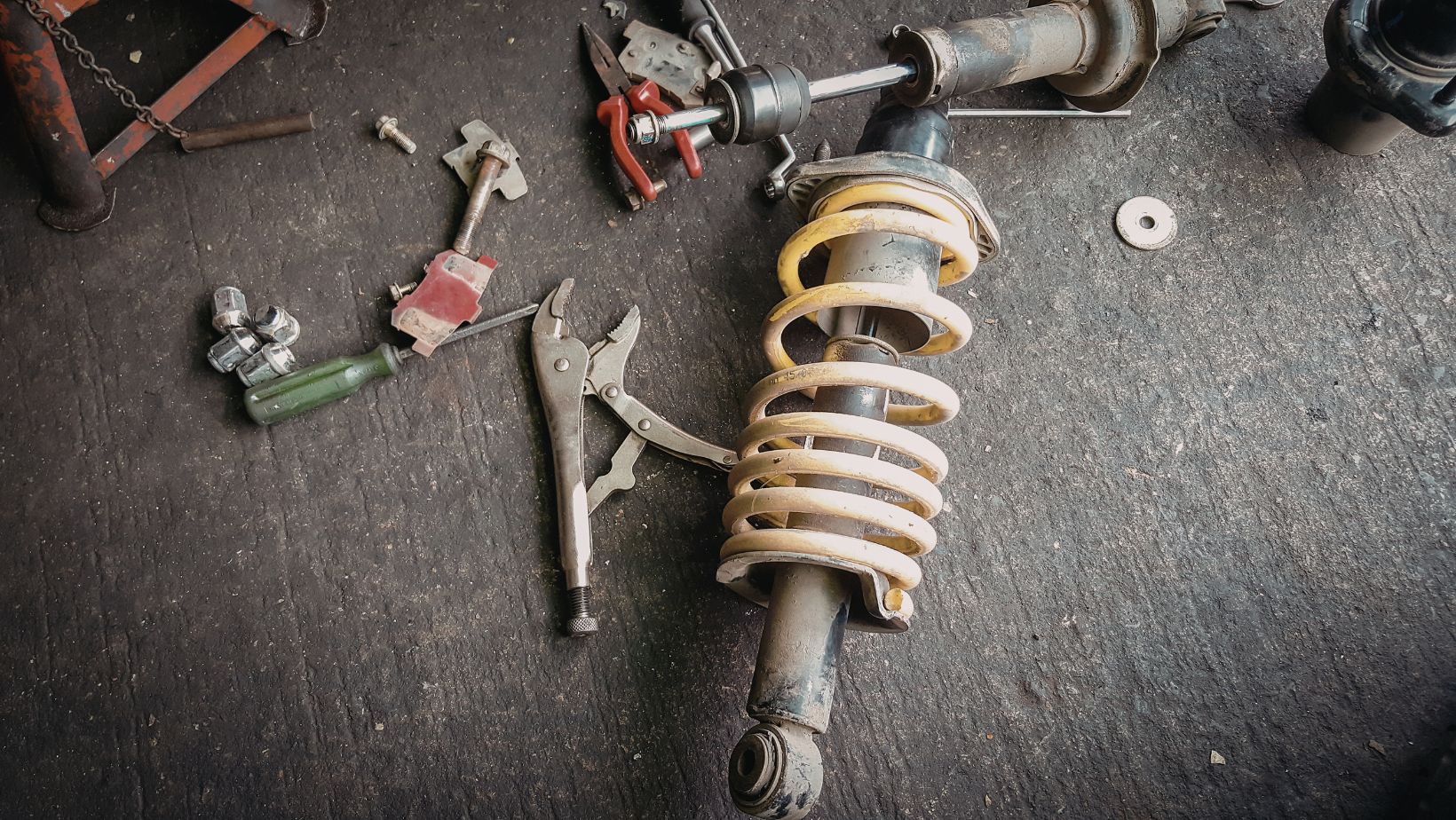

Air suspension is a system that provides optimal body height and comfort by using air cylinders and a compressor. It automatically adjusts the clearance depending on the conditions, load, and road surface. However, during operation, air suspension elements wear out: rubber membranes crack, seals lose their tightness, and the dryer stops working effectively. This causes typical malfunctions: the car sags, ECU errors appear, the compressor works more often, and the car overheats.
Complete replacement of air struts or the compressor is an expensive solution. Therefore, repair kits have become a cost-effective alternative: the original component can be restored at a very low cost while still meeting the manufacturer’s specifications.
What Is an Air Suspension Repair Kit?
An air suspension repair kit is a set of components designed to restore worn parts without completely replacing the assembly. Depending on the type of repair, the kits may include:
- air spring rubber membrane;
- seals;
- support rings and retainers;
- Teflon piston rings;
- compressor seal kit;
- filters and air dryers;
- replacement valves or inserts.
The main advantage is compatibility with original air struts and compressors. A high-quality repair kit lets you restore the functionality of OEM components without altering the unit’s design.
Common Air Suspension Problems
To correctly determine which repair kit is needed, it is important to understand the typical symptoms of malfunctions:
- The car sinks after parking.
Most often, this indicates microcracks in the membrane or leaking valves.
- The vehicle maintains incorrect height while driving.
There may be a problem with the level sensors or a leak in the air cylinder circuit.
- The compressor is working too loudly.
A sign of worn seals, pressure loss, clogged filters, or a faulty dryer.
- Errors on the instrument panel (ECU).
The system records a pressure drop, compressor overload, or body height mismatch.
- Long time to raise the body.
Often, the root cause is an air leak or a compressor outlet valve that has lost efficiency.
Clearly identifying the problem helps select the appropriate repair kit and prevents unnecessary spending.
How to Choose the Right Air Suspension Repair Kit
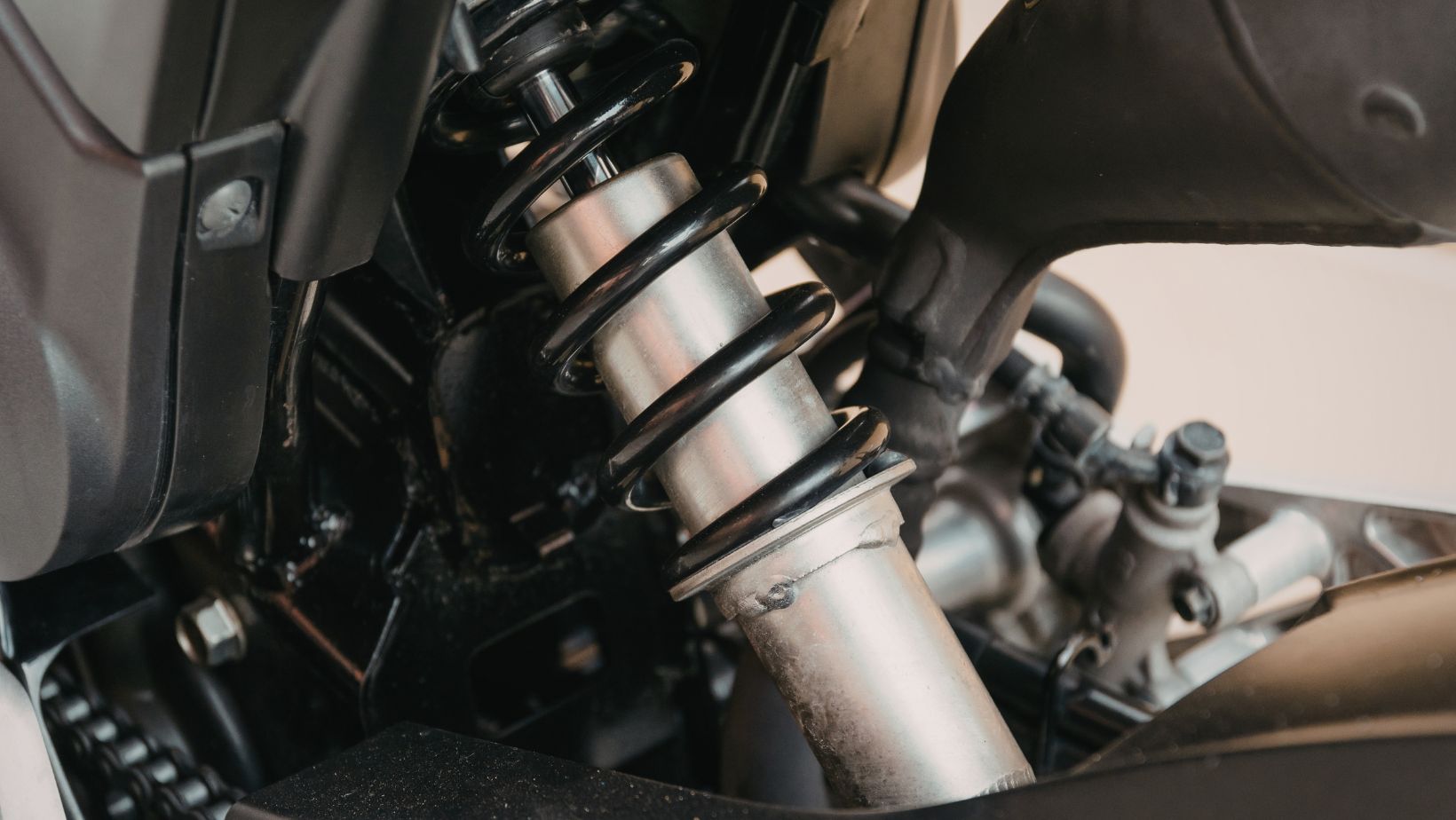
When selecting a repair kit, it is crucial to take into account a few major aspects:
1. Compatibility with the car model
Each air strut has individual dimensions, piston design, and membrane type. Choose a repair kit that clearly matches a specific OEM part number.
2. Quality of materials
First of all, pay attention to the membrane rubber type (EPDM), and the quality level of the manufacture (such as ContiTech). The durability of the repair depends on this.
3. Manufacturing standards
Brands that certify products to ISO/TS standards or use OEM-level equipment achieve better manufacturing accuracy and part reliability.
4. Completeness
A complete repair kit should include all necessary components: membrane, rings, seals, and retainers. Having a complete set simplifies repair and reduces the risk of repeated disassembly.
5. Manufacturer’s reputation
Choose brands with experience in air suspension repair. Savings on quality can lead to repeated repairs in just a few months.
Installation Guide and Practical Tips
Installing a repair kit requires accuracy and compliance with technical standards. The main stages are as follows:
- Dismantling the damaged strut or compressor.
The system must be turned off and the pressure released; according to the manufacturer’s guidance, the component should be removed.
- Disassembling the assembly.
It is important to use clean tools and avoid damaging the seats.
- Cleaning parts.
All surfaces need to be free of dust, rust, and old grease.
- Installation of new membranes, seals, and rings.
Use lubricants recommended by the repair kit manufacturer.
- Proper reassembly of the unit.
Follow the tightening torques and assembly order.
- Check for leaks.
It is recommended to test the assembly on a stand after assembly, or to install it in a vehicle and check for leaks with soapy water.
Typical mistakes to avoid:
- using universal seals instead of original ones;
- overtightening clips and retainers;
- installing the membrane without lubrication;
- ignoring the condition of the compressor dryer;
- assembly in dusty or humid conditions.
Benefits of Using a Repair Kit vs. Full Replacement:
- Savings of up to 70% compared to buying a new rack or compressor.
- Repair speed: the assembly can be restored in 1–2 hours.
- Preserving the original part, which is often of better quality than budget aftermarket counterparts.
- Extending the life of OEM components for several more years if installed correctly.
- Minimal intervention in the vehicle system reduces the risk of additional errors.
An air suspension repair kit is a practical, cost-effective, and reliable solution for restoring the system’s original components. The main thing is to correctly identify the fault, choose a compatible and high-quality kit, and follow the instructions during installation.
Choosing proven manufacturers and competent installation guarantees a long service life of the repaired air suspension and stable operation of the entire system.