

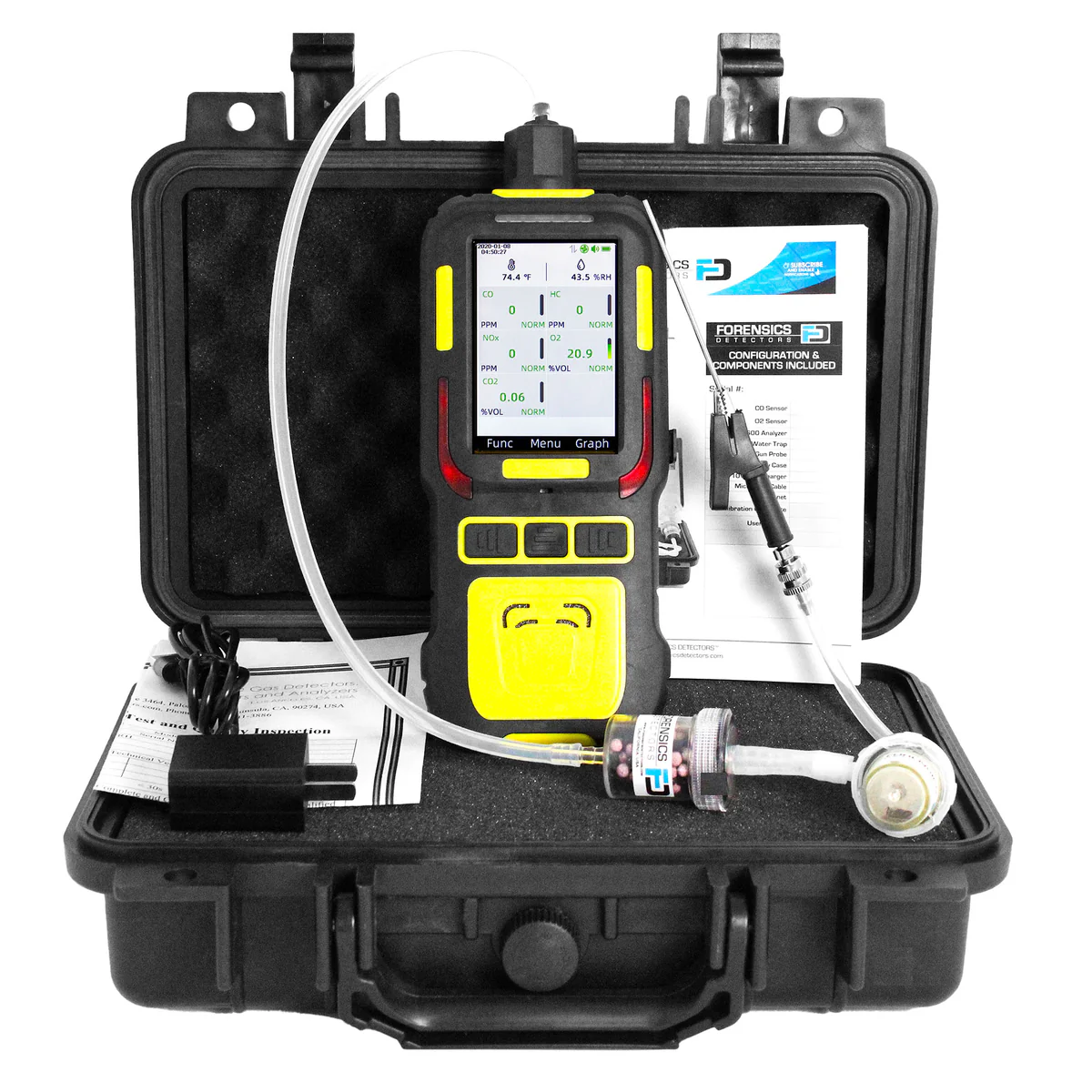

How can a vehicle workshop check whether an engine is running cleanly and efficiently?
The answer is by measuring the gases coming from the exhaust system. An Exhaust Gas Analyzer provides readings that help technicians understand engine condition, fuel use, combustion quality, and emission performance clearly and practically.
Automotive emission testing is an important part of modern vehicle care. It supports cleaner roads, better fuel use, and smoother engine operation. The process is simple for the vehicle owner, while the equipment gives technicians useful information for servicing, inspection, tuning, and repair work.
How an Exhaust Gas Analyzer Supports Emissions Testing
Emission testing checks the gases produced while an engine is running. The results show how effectively fuel is burning and how well the engine management and emission control systems are working.
During the test, a probe connected to the Exhaust Gas Analyzer is placed near or inside the exhaust outlet. The engine is then operated at specified speeds while the equipment collects and measures the exhaust sample.
The test usually takes only a short time. However, the readings can provide valuable information about combustion, fuel mixture, ignition performance, and exhaust treatment systems.
Measuring Key Gases With an Exhaust Gas Analyzer
A modern Exhaust Gas Analyzer can measure gases such as carbon monoxide, carbon dioxide, oxygen, hydrocarbons, and nitrogen oxides. Each gas provides different information about the way the engine is operating.
Carbon dioxide can indicate how completely fuel is burning. Oxygen readings help technicians assess the balance between air and fuel. Hydrocarbon readings show the amount of unburned fuel passing through the engine, while carbon monoxide provides useful information about combustion quality.
Some systems also measure nitrogen oxides. These readings can help technicians understand combustion temperature and the operation of certain emission control components.
The values are considered together rather than separately. By comparing several readings, the exhaust gas analyzer provides a fuller picture of engine and emission performance.
Connecting Exhaust Gas Analyzer Readings With Engine Performance
Readings from an Exhaust Gas Analyzer can support many routine engine checks. They can help confirm that the fuel system, ignition system, air intake, sensors, and exhaust treatment components are working together correctly.
For example, a suitable oxygen reading may show that the engine is receiving a balanced mixture of air and fuel. Steady carbon dioxide levels may point to efficient combustion. Lower hydrocarbon readings can indicate that fuel is being burned effectively.
When the readings remain within the expected range, the vehicle is more likely to provide smooth driving, steady fuel use, and controlled exhaust output.
Why Accurate Exhaust Gas Analyzer Readings Matter
Clear and dependable readings help workshops make careful maintenance decisions. They also support vehicle owners who want their cars to remain efficient and properly maintained.
An Exhaust Gas Analyzer can be used during routine servicing, engine tuning, inspection work, repair verification, and emission certificate testing. It gives technicians a factual starting point before they inspect or adjust related vehicle components.
Supporting Cleaner Operation With an Exhaust Gas Analyzer
A well-maintained engine uses fuel in a controlled way. Testing with an Exhaust Gas Analyzer helps confirm that the combustion process is balanced and that emission control components are performing as expected.
This supports cleaner exhaust output during normal driving. It can also help owners keep their vehicles within the emission limits set by local authorities.
In busy urban areas, where many vehicles operate close together, regular emission checks can contribute to better air quality over time. One vehicle may appear to make only a small difference, but consistent testing across many vehicles supports cleaner transport overall.
Using Exhaust Gas Analyzer Results for Maintenance
Emission results can guide everyday maintenance work. A technician can compare current readings with standard ranges and inspect related components in a logical order.
This may include checking spark plugs, air filters, fuel injectors, oxygen sensors, catalytic converters, exhaust gas recirculation systems, and other exhaust treatment units.
The Exhaust Gas Analyzer gives the technician a useful starting point. Instead of checking every part without direction, the technician can focus on the systems most closely connected to the readings.
The numbers do not complete the whole diagnosis, but they provide helpful guidance for the next inspection, adjustment, or repair step.
Main Uses of an Exhaust Gas Analyzer in Workshops
An Exhaust Gas Analyzer is used in many practical automotive settings. It can support vehicle inspections, repair work, tuning, servicing, and emission compliance testing.
The equipment may be used with petrol, diesel, hybrid, and other engine types when the correct testing procedure and compatible equipment are selected. Each vehicle category may require different readings, operating conditions, or testing methods.
Exhaust Gas Analyzer Testing for Vehicle Certification
Many inspection centres use an Exhaust Gas Analyzer as part of roadworthiness or emission certification procedures. The vehicle is tested under controlled conditions, and the results are compared with the accepted limits for its engine type, model, and age.
This creates a consistent process for vehicle owners and testing staff. The measurements can be recorded in a standard format, helping inspection centres provide a clear result.
Using an Exhaust Gas Analyzer during certification also supports wider efforts to maintain efficient transport and reduce unnecessary vehicle emissions.
Exhaust Gas Analyzer Use During Engine Tuning
Workshops can use an Exhaust Gas Analyzer before and after servicing or engine tuning. The first test records the vehicle’s existing condition, while the second helps confirm the effect of the completed work.
This approach is useful during fuel system cleaning, ignition adjustment, injector servicing, sensor replacement, air intake maintenance, or exhaust system repair.
The technician can compare the readings and determine whether the work has improved combustion or emission performance. This allows results to be checked using real data rather than relying only on engine sound, appearance, or driving feel.
Exhaust Gas Analyzer Features for Reliable Testing
Reliable equipment should offer stable measurement, clear controls, proper calibration, and simple operating steps. These features help technicians collect repeatable readings during everyday workshop use.
An Exhaust Gas Analyzer should also be suitable for the engine and fuel types being tested. A clear display allows technicians to review gas values quickly, while easy controls support an organised testing process.
Some systems can store readings, display several gas values together, print reports, or connect with workshop management software.
Exhaust Gas Analyzer Calibration and Maintenance
Calibration keeps the readings of an Exhaust Gas Analyzer aligned with known reference values. Workshops normally follow a calibration schedule based on the equipment manufacturer’s instructions and local inspection requirements.
The probe, filters, hoses, water traps, and sample path also require regular checking and cleaning. Clean components allow the exhaust sample to travel through the system correctly.
Blocked filters or damaged hoses may affect sample flow and reading consistency. Routine equipment care therefore supports dependable results across many vehicle tests.
Digital Records From an Exhaust Gas Analyzer
Many Exhaust Gas Analyzer systems can store, transfer, or print test results. Digital records make it easier to compare current readings with results from earlier servicing or inspection visits.
This can help vehicle owners monitor changes over time. It also allows workshops to maintain organised service records and explain technical findings in simple language.
When customers can see figures before and after maintenance, they may find it easier to understand how the vehicle is performing and why certain work was recommended.
Choosing the Right Exhaust Gas Analyzer
Workshops should select an Exhaust Gas Analyzer according to the types of vehicles they regularly test. A small repair garage may have different needs from a large inspection centre or a workshop specialising in commercial vehicles.
The equipment should support the required gases, testing standards, engine categories, and record-keeping functions. Workshops should also consider calibration support, replacement filters, probe quality, operating instructions, and staff training.
Matching the Exhaust Gas Analyzer to Vehicle Types
Different engines produce different emission patterns. Petrol engines, diesel engines, hybrid vehicles, and alternative-fuel vehicles may require different testing procedures.
The selected Exhaust Gas Analyzer should therefore suit the workshop’s usual workload. Compatible equipment helps technicians collect meaningful readings and follow the correct inspection process.
Training Staff to Use an Exhaust Gas Analyzer
Even advanced testing equipment depends on correct operation. Workshop staff should understand how to position the probe, warm the engine, select the test mode, read the values, and recognise unstable results.
Proper training also helps technicians maintain the Exhaust Gas Analyzer, follow calibration schedules, and explain test findings clearly to vehicle owners.
Preparing for Exhaust Gas Analyzer Testing
A few simple steps can help the testing process run smoothly. Owners can bring the vehicle after a normal drive so the engine reaches its usual operating temperature.
It is also helpful to follow the recommended service schedule. Fresh engine oil, a clean air filter, and properly maintained ignition components can support stable engine operation during an Exhaust Gas Analyzer test.
Arriving With the Engine Warm
An engine usually provides the most useful emission readings after reaching its normal operating temperature. A short drive before the test allows the engine, sensors, and exhaust treatment system to operate under regular conditions.
A warm engine also helps the Exhaust Gas Analyzer collect readings that better reflect normal road use. Owners should follow the testing centre’s instructions regarding waiting time, engine speed, and vehicle preparation.
Keeping Service Records Available
Previous service records can provide helpful context during emission testing. They may show when filters, spark plugs, injectors, sensors, or exhaust components were last inspected or replaced.
The technician can compare this information with the Exhaust Gas Analyzer readings. Together, the service history and current values provide a clearer picture of the vehicle’s condition and maintenance needs.
Conclusion
Automotive emission testing is a useful part of modern vehicle care. An Exhaust Gas Analyzer provides clear information about fuel combustion, engine balance, exhaust quality, and emission system performance.
For drivers, the main benefit is a better understanding of how the vehicle is operating. Regular testing can support smooth performance, efficient fuel use, cleaner exhaust output, and better-planned maintenance.
With accurate Exhaust Gas Analyzer testing, proper equipment calibration, and routine vehicle care, workshops can make informed decisions while helping vehicles perform reliably in daily use.