

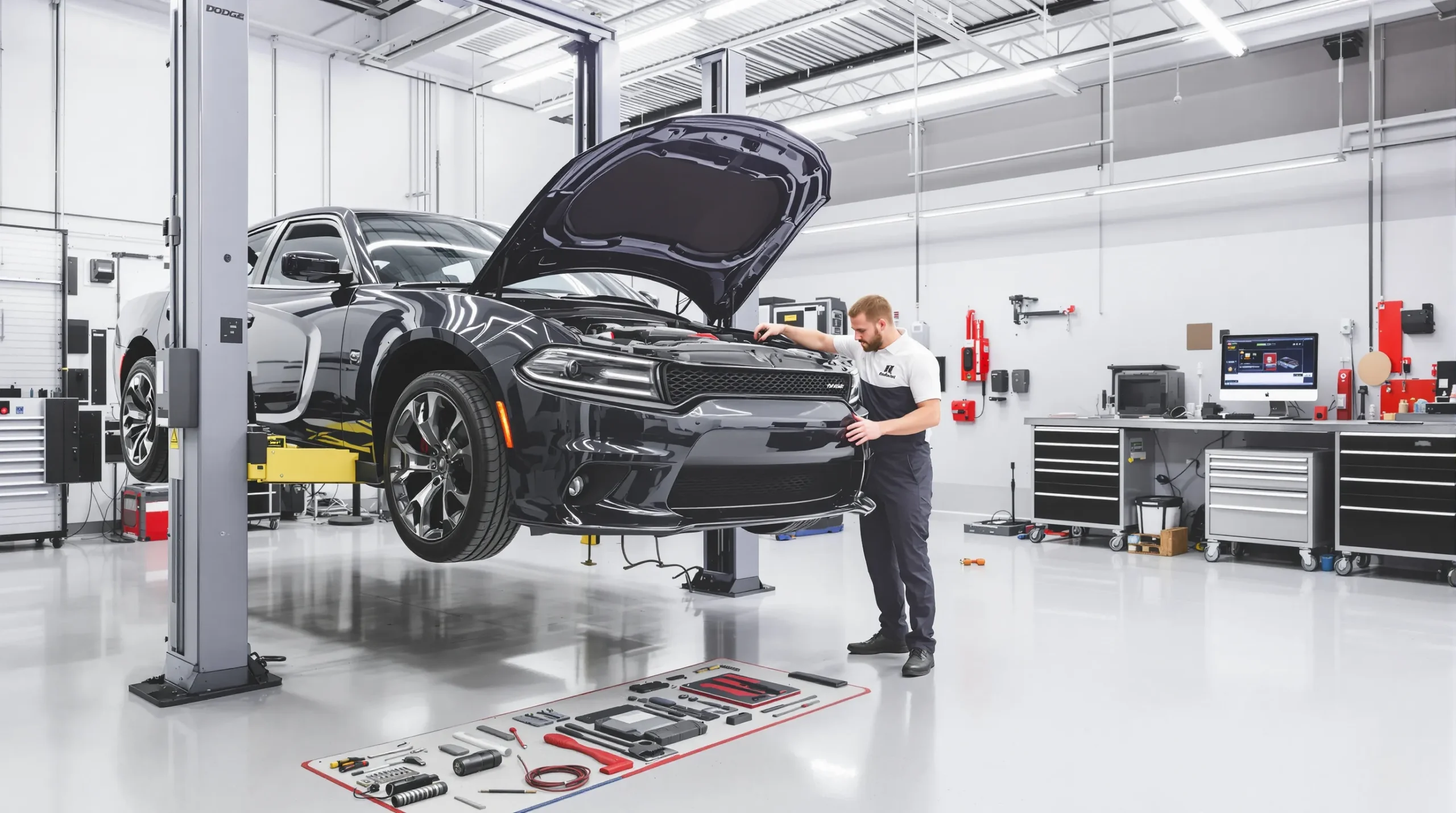

You’re driving your Dodge down a quiet road at sunset, windows cracked, engine humming. Suddenly, a warning light flickers on. Your stomach drops. If you’ve ever felt that jolt of panic, you know why dodge car maintenance isn’t just a chore—it’s your ticket to peace of mind. Dodge cars are built tough, but even the toughest rides need regular care. Let’s break it down: what does it really take to keep your Dodge running strong, year after year?
Why Dodge Car Maintenance Matters
Here’s the part nobody tells you: skipping maintenance doesn’t just risk breakdowns. It chips away at your car’s value, safety, and even your wallet. A neglected oil change can turn into a $3,000 engine repair. A worn brake pad can mean a fender bender—or worse. If you love your Dodge, or just want to avoid surprise bills, regular dodge car maintenance is non-negotiable.
Who Needs This Guide?
If you own a Dodge—Charger, Challenger, Durango, or even a trusty Caravan—this is for you. Maybe you’re a first-time car owner, or maybe you’ve been burned by a surprise repair bill. This guide isn’t for folks who trade in their car every year or ignore warning lights. It’s for drivers who want their Dodge to last, look sharp, and feel safe every time they turn the key.
The Essential Dodge Car Maintenance Checklist
Let’s get specific. Here’s what your Dodge needs, and when:
- Oil Changes: Every 5,000-7,500 miles. Use the oil grade recommended in your owner’s manual. Skipping this? Expect sludge, engine wear, and a much shorter car life.
- Tire Care: Rotate tires every 6,000 miles. Check pressure monthly. Underinflated tires kill gas mileage and wear out faster. Ever seen a tire blowout on the highway? Not fun.
- Brake Inspections: Every 10,000 miles or if you hear squeaking. Don’t wait for grinding noises—by then, you’re damaging rotors.
- Fluid Checks: Transmission, coolant, brake, and power steering fluids. Top off or replace as needed. Low fluids can mean overheating or sudden breakdowns.
- Battery Health: Test every 6 months. Clean corrosion from terminals. A dead battery always picks the worst moment—like when you’re late for work.
- Air Filter Replacement: Every 15,000-30,000 miles. A clogged filter chokes your engine and kills performance.
- Wiper Blades: Replace every 6-12 months. Visibility matters, especially in a downpour.
Here’s why this matters: every skipped step is a gamble. Dodge car maintenance isn’t about perfection—it’s about stacking the odds in your favor.
Common Dodge Maintenance Mistakes (And How to Avoid Them)
We’ve all made mistakes. I once ignored a squeaky belt, thinking it was “just a noise.” Two weeks later, my alternator died on a road trip. Lesson learned: small problems rarely stay small. Here are the top slip-ups Dodge owners make:
- Ignoring Warning Lights: That “check engine” light isn’t a suggestion. Get it scanned—many auto parts stores do it for free.
- Delaying Oil Changes: Life gets busy, but engines don’t forgive neglect. Set a reminder on your phone.
- Using Cheap Parts: Bargain filters or fluids can cost more in the long run. Stick with OEM or high-quality aftermarket brands.
- Skipping Tire Rotations: Uneven wear means you’ll be buying new tires sooner—and risking blowouts.
- Forgetting Seasonal Checks: Cold winters and hot summers stress your Dodge. Check antifreeze before winter and AC before summer.
If you’ve made any of these mistakes, you’re not alone. The fix? Start fresh today. Your Dodge will thank you.
DIY vs. Professional Dodge Car Maintenance
Here’s the truth: you don’t need to be a mechanic to handle basic dodge car maintenance. Oil changes, air filters, and wiper blades are all doable with a YouTube video and a Saturday morning. But some jobs—like transmission service or timing belt replacement—are best left to the pros. If you’re ever unsure, ask a trusted mechanic. Saving a few bucks isn’t worth risking your safety.
When to DIY
- Oil and filter changes
- Replacing air and cabin filters
- Swapping wiper blades
- Checking and topping off fluids
When to Call a Pro
- Brake repairs
- Transmission service
- Electrical issues
- Major engine work
Here’s a tip: keep a maintenance log. Jot down dates, mileage, and what you did. It’s a lifesaver when you sell your car or need warranty work.
How to Build a Dodge Car Maintenance Routine
Consistency beats intensity. You don’t need to spend every weekend under the hood. Instead, set up a simple routine:
- Read your owner’s manual. It’s not thrilling, but it’s packed with Dodge-specific advice.
- Set calendar reminders for oil changes, tire rotations, and inspections.
- Keep a small toolkit and basic supplies in your trunk—jumper cables, tire gauge, spare fuses.
- Listen to your car. New noises, smells, or warning lights? Don’t ignore them.
Next steps: pick one thing from this list and do it today. Even a five-minute check can save you hours (and dollars) down the road.
What Dodge Owners Wish They Knew Sooner
Here’s what most Dodge owners learn the hard way:
- Regular dodge car maintenance keeps your warranty valid. Miss a service, and you might be on the hook for repairs.
- Small investments—like premium oil or better tires—pay off in smoother rides and fewer repairs.
- Dealerships aren’t always more expensive. Sometimes, they offer free inspections or service specials.
- Online forums and Dodge owner groups are gold mines for tips and honest mechanic recommendations.
If you’ve ever felt overwhelmed by car care, remember: nobody’s born knowing this stuff. Every Dodge owner started somewhere. The key is to start, learn, and keep going.
Final Thoughts: Your Dodge, Your Rules
Dodge car maintenance isn’t about being perfect. It’s about showing up for your car—and yourself. Every oil change, every tire check, every time you listen to a weird noise instead of blasting the radio louder, you’re building a safer, more reliable ride. If you want your Dodge to last for years, look sharp, and keep you safe, start with one small step today. Your future self (and your car) will thank you.