

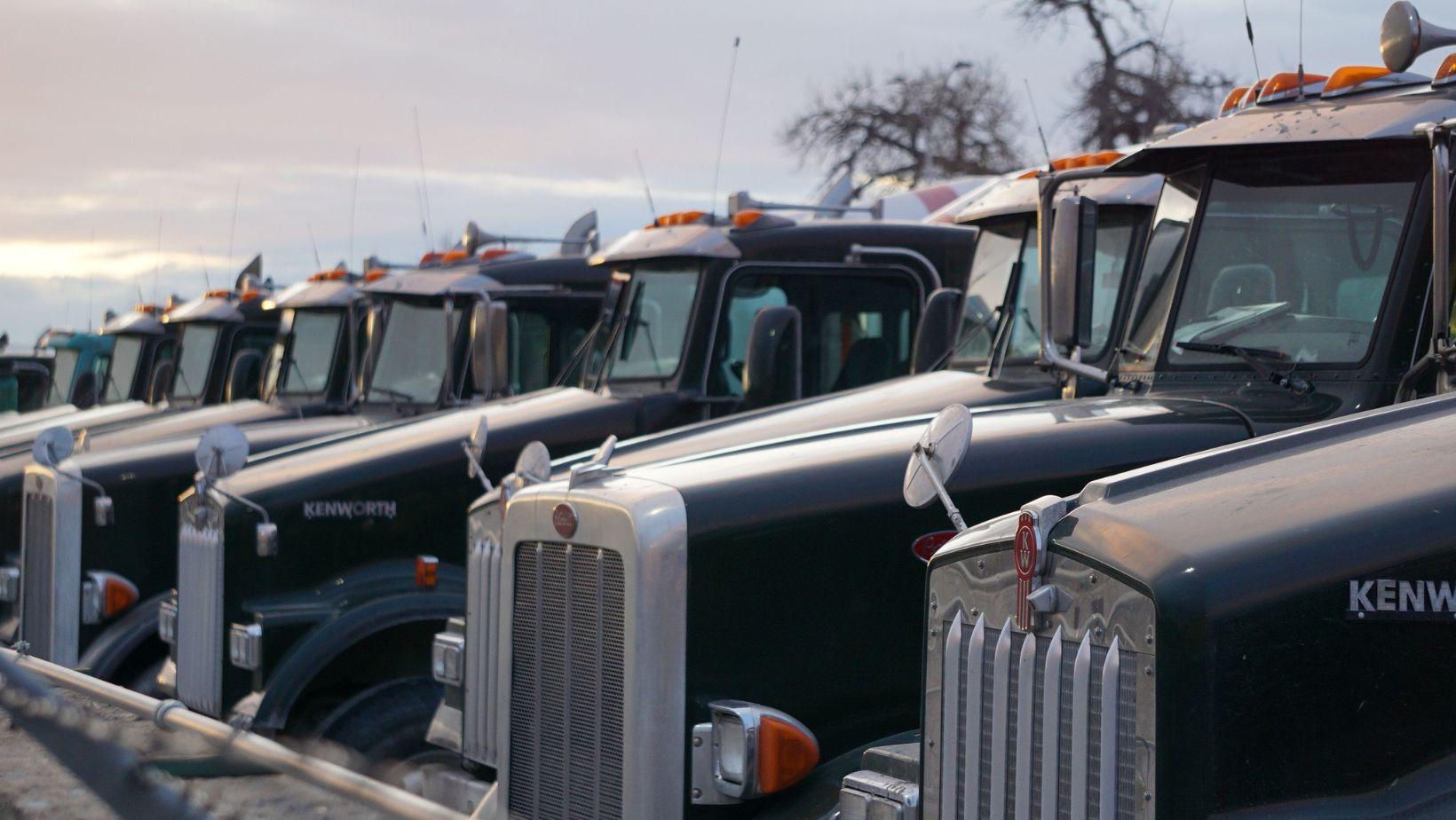

A 600,000-mile Class 8 tractor may look good and have no cosmetic issues, but it could need a $15,000 engine rebuild. Buyers who experience problems often cannot identify any subtle damage. The problem usually lies in the lack of documentation regarding all maintenance performed on the vehicle.
Obtain Complete Maintenance History
Request all available records before viewing the vehicle. An owner who provides multiple records of an oil analysis report, records of DPF cleaning, or records of clutch replacement is providing valuable information. On the other hand, an owner who claims that the previous owner kept it serviced without any documentation is only providing useless information.
Identify the Engine Model Number
Different models of engines age differently. For example, owners who regularly service a Cummins X15 or Detroit DD15 engine will keep it running longer than lower-priced models that lack documented maintenance. Research the typical failure areas of your model year engine, since coolers, fuel injector seals, and sensors of the after-treatment system fail on a predictable schedule.
Read Engine Control Module Data
Have a mechanic review the engine computer to determine the amount of hard braking, idle time, and error codes that were previously removed. A truck with 40% idle time has worked much harder than the indicated mileage would suggest.
Review Other Mileage Indicators
Trucks that travel in regional locations making continuous stops wear down clutches, brakes, and kingpins significantly faster than those traveling continuously on highways.
Inspect the Frame, Suspension and Tires
Inspect the underside of the frame using a light source. Check for rusting on cross-members and leaf spring sag. Unequal tire wear indicates misalignment or worn bushings, and both require significant amounts of money to correct.
After Treatment System Conditions
Failure of emission systems can result in very high repair costs. A failed SCR catalyst or plugged DPF can cost upwards of $5,000. Ask the seller when they last cleaned or replaced their DPF and view the active regeneration warning lights during the test drive.
Location Determines Availability of Resources
Dealers provide warranties and have service departments capable of performing diagnostic tests. Dealerships like HOLT Truck Center will include diagnostic results in their inspection reports. Regardless of where you purchase from, ensure there is documentation regarding any findings and inquire about any powertrain warranty included with the sale.
Perform a Legitimate Test Drive
If possible, take the vehicle loaded. Listen for turbocharger whining, feel for any hesitation while shifting gears, and monitor the temperature gauge climbing steep hills. No amount of driving within a ten-minute radius around the dealership will provide this type of information.
Calculate Total Operating Costs
Compare the total operating cost of the vehicle for the first twelve months. The total cost includes replacing tires, brakes, and consumables like coolant. Use the inspection report as negotiation leverage as well. Any defective parts, such as brake drums wearing thin, leaking water pumps, and tires at 30% tread, can be used as items to deduct from the sale price.
Know When to Walk Away
There are times when the best deal you can obtain is one you choose to walk away from. If the maintenance records are incomplete, the ECM data tells a different story than provided by the seller, and there is little room left to spend on repairs, then walk away.