

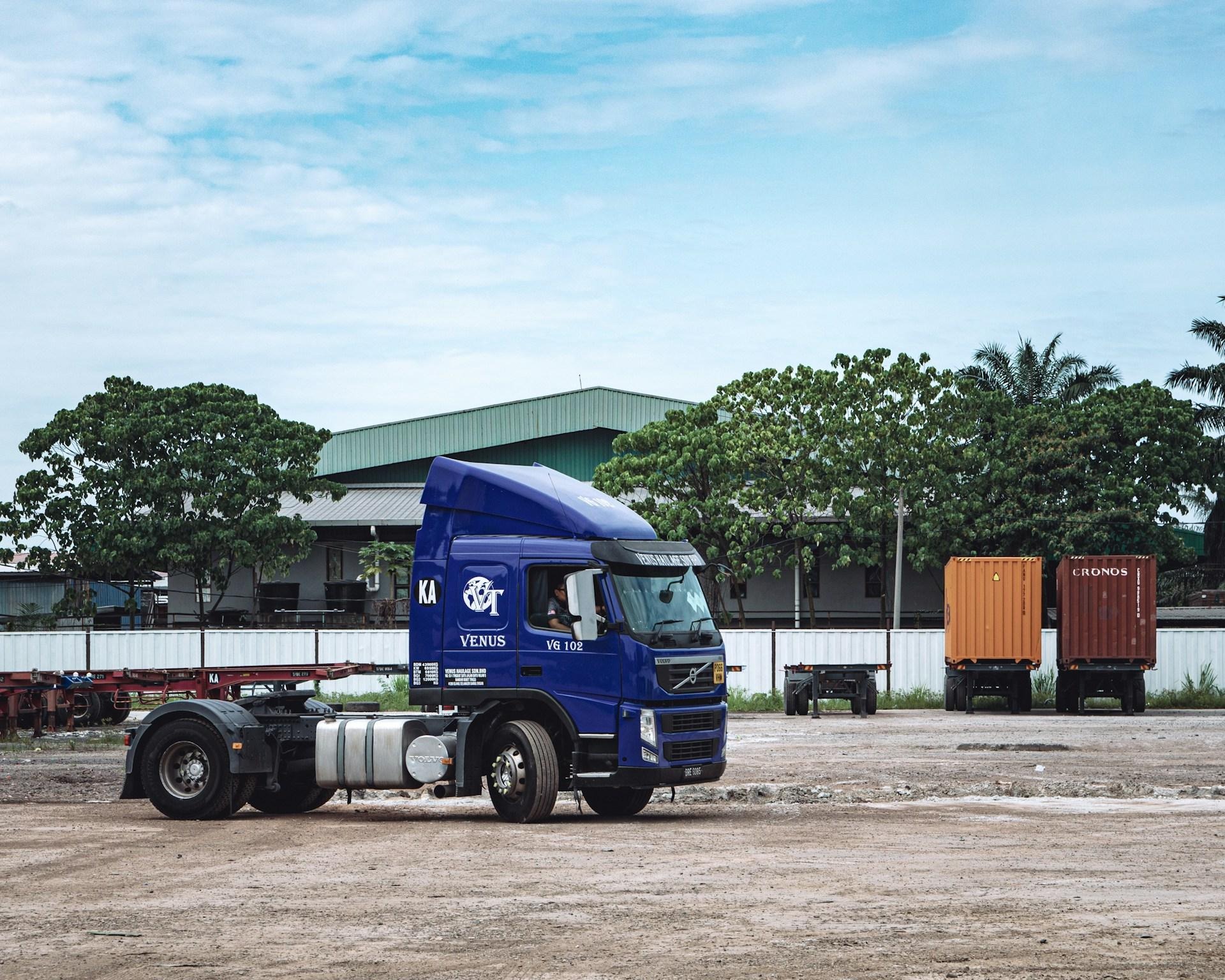

Acquiring a used tractor unit requires systematic verification of mechanical integrity, service history, and emissions compliance to safeguard fleet operational margins. This technical guide outlines essential inspection protocols, component checks, and evaluation criteria for transport operators evaluating pre-owned commercial haulage assets.
Understanding Used Tractors
Pre-owned commercial tractor units deliver capital expenditure savings when evaluated against precise mechanical benchmarks and operational duty cycles. Transport operators lower asset acquisition costs by 30% to 50% compared to new vehicle list prices while maintaining transport capacity. Comprehensive verification of historical maintenance records helps assess previous care but cannot guarantee long-term operational reliability across international freight corridors.
Commercial haulage fleets rely on used tractor units to expand capacity without incurring severe initial depreciation. Vehicles sourced from markets with strict statutory inspection regimes—such as Sweden, Norway, Denmark, and Germany—still require individual verification of maintenance logs and adherence to original equipment manufacturer (OEM) service intervals. Correct maintenance helps reduce premature component failures in heavy-duty powertrains, suspension assemblies, and pneumatic systems; documentation records that maintenance rather than preventing failures itself.
Evaluating the operating environment of a vehicle reveals essential wear metrics, as long-haul highway transport inflicts different mechanical stress compared to regional distribution or heavy construction haulage. Fleet managers must align the vehicle’s past operational profile with their intended duty cycle to project future maintenance expenditure accurately.
Types of Tractors to Consider
Selecting the correct tractor unit configuration depends directly on payload requirements, axle weight distribution regulations, and operational route topography. Transport operators must distinguish between 4×2, 6×2, and 6×4 chassis variants to optimize fuel efficiency and legal payload limits. Aligning axle configuration with trailer types supports compliance, but plated vehicle and combination weights, axle limits, dimensions, and applicable national rules must also be checked.
- 4×2 Axle Configuration: Standard two-axle layout that typically offers lower unladen tare weight than an otherwise comparable three-axle tractor and can suit interurban freight and standard curtain-side trailers. Fuel efficiency and maneuverability also depend on the wheelbase, drivetrain, trailer, and operating conditions.
- 6×2 Axle Configuration: Three-axle layout with one driven rear axle and an additional non-driven pusher or tag axle, which may be fixed, liftable, steerable, or a combination of these features. It can improve axle-load distribution and permit higher combination weights where regulations and vehicle ratings allow; lifting or steering functions may reduce tyre wear in appropriate conditions.
- 6×4 Heavy-Duty Configuration: Dual-drive rear axles that can provide additional traction for timber transport, construction tippers, and heavy haulage operations. Actual stability and load capacity depend on the complete vehicle specification, loading, tyres, and applicable weight limits.
- Low-Deck (Mega) Variants: Lower chassis frame height, often with a fifth-wheel coupling height around 950 mm, designed for compatible mega semi-trailers with internal loading heights of up to 3 metres. Actual coupling height, clearances, and overall vehicle height must be checked for the specific combination.
Brands and Models of Used Tractors
European commercial vehicle manufacturers offer distinct technical advantages in powertrain durability, fuel efficiency, and telematics integration. Leading marques such as DAF, Volvo, Scania, and Mercedes-Benz dominate the pre-owned market due to extensive European service networks and widespread spare parts availability. Evaluating specific engine series and transmission combinations identifies long-term maintenance costs for fleet operators.
Volvo FH and Scania R-Series tractor units command high resale value across European markets, backed by robust engine architecture and proven automated manual transmissions like Volvo’s I-Shift and Scania’s Opticruise. DAF XF units deliver spacious cab ergonomics and, depending on generation and specification, use engines such as the PACCAR MX-11 or MX-13, making them popular for long-distance transport fleets. Mercedes-Benz Actros models equipped with Predictive Powertrain Control (PPC) can reduce fuel consumption by using GPS and digital map data to anticipate the route and adjust speed and gear selection.
Vehicles imported from Northern European markets often feature higher baseline specifications, including auxiliary cab heaters, reinforced thermal insulation, and retarders, which reduce main brake wear. Sourcing through established international traders ensures access to diverse vehicle specifications across major European brands, simplifying fleet standardization efforts.
Key Features of Tractor Units
Power output ratings, emission compliance levels, and transmission software directly dictate a tractor unit’s operational efficiency and running costs. Many European long-distance tractor units offer engines producing approximately 330 kW to 400 kW (450 hp to 540 hp), but suitable power depends on combination weight, terrain, gearing, and duty cycle rather than a mandatory range. Technical verification of torque curves and gearing ratios helps assess suitability under loaded conditions but does not guarantee optimal fuel economy.
Engine displacement of approximately 11 to 13 litres is common for standard line-haul operations, balancing torque delivery with kerb weight, although other sizes are also available. Automated manual transmissions (AMTs) are common in modern European line-haul trucks, with shift strategies that can account for load and road incline; manual and conventional automatic gearboxes remain available in the used market. Euro VI diesel engines generally use Selective Catalytic Reduction (SCR) and Diesel Particulate Filters (DPF), while Exhaust Gas Recirculation (EGR) depends on the engine design. Low Emission Zone (LEZ) access rules vary by location, so the required emissions class and any additional access conditions must be checked for each route.
Cab configurations, such as high-roof sleeper cabs with dual bunks, impact driver retention and comfort during multi-day international routes. Advanced safety features, including Advanced Emergency Braking Systems (AEBS) and Lane Departure Warning Systems (LDWS), can help reduce collision risks within their operating limits; any insurance discount depends on the insurer and policy.
Inspection Checklist for Buying a Used Tractor
A systematic physical and mechanical inspection can reduce the risk of unexpected maintenance costs and help identify hidden structural or mechanical defects. Fleet technicians must examine the vehicle chassis, fluid lines, dynamic powertrain components, and onboard diagnostic systems prior to purchase. Following an established evaluation protocol helps assess critical components, but it does not guarantee that all defects will be detected or replace any required statutory inspection.
Visual inspections begin with an assessment of structural alignment, frame integrity, and major mechanical assemblies. Laboratory analysis of correctly collected engine oil, coolant, transmission fluid, and differential oil samples can provide indicators of internal component wear, contamination, or fluid degradation; visual checks alone cannot establish this. Compatible diagnostic software can reveal stored fault codes, active electronic control unit (ECU) warnings, and recorded engine operating hours or distance where supported. Available data vary by vehicle and cannot independently prove the full fault history or true mileage.
Working with established international suppliers can provide access to pre-inspected stock; confirm which checks have actually been completed when assessing purchasing risk for transport companies expanding their fleets. Evaluating a properly secured vehicle on a suitably rated heavy-vehicle lift or inspection pit enables trained technicians to inspect steering linkages, air suspension bellows, and accessible brake components. Disc thickness must be measured and compared with manufacturer limits, with wheel removal where necessary; never rely on air suspension or a jack alone to support a vehicle.
Exterior Inspection
Exterior chassis evaluations can identify structural damage, frame corrosion, and uneven tyre wear; uneven wear can suggest alignment or suspension problems but does not establish a specific fault. Technicians must inspect main chassis frame rails, cross-members, and fifth-wheel assembly plates for stress cracks or non-factory welds. Identifying structural defects before purchase helps reduce the risk of dangerous road failures and costly repairs; non-factory modifications should be checked against manufacturer requirements and any necessary approvals.
- Chassis Frame Rails: Complete longitudinal inspection for cracks, structural twisting, non-standard drilling, or deep rust scaling around suspension mounting points.
- Fifth-Wheel Assembly: Thorough check of the locking mechanism, jaw and kingpin wear where a trailer is available, pivot pins, slide mechanism where fitted, and mounting plate fasteners, using the coupling manufacturer’s wear limits and test procedure.
- Tyres and Wheels: Tread depth measurement across all axles, checking inflation pressure and irregular shoulder wear that may be associated with alignment errors, suspension or steering wear, or wheel-bearing problems; further inspection is needed to identify the cause.
- Cab and Body Work: Structural inspection of cab tilt mechanisms, panel alignment, step wells, and mirror mountings for impact damage or concealed repairs.
Hydraulic System Check
Hydraulic system checks should verify operating pressure and flow, seal integrity, and power take-off (PTO) operation according to the equipment manufacturer’s test procedure; load testing should be performed by a competent technician using suitable equipment. Tractor units equipped with hydraulic wet kits for tipper, walking floor, or heavy crane trailers require leak-free performance to operate efficiently. Thorough inspection of pumps, oil reservoirs, control valves, and hoses can help reduce the risk of hydraulic failures on job sites.
Inspect the hydraulic fluid reservoir using the manufacturer’s specified level-checking procedure, including a sight glass where fitted, and look for visible contamination or water emulsion; laboratory analysis may be needed to identify fine particles or fluid degradation. Fluid contamination damages sensitive axial piston pumps and proportional control valves, leading to expensive system overhauls. Visually inspect high-pressure hydraulic lines and quick-release couplings for leaks, outer rubber chafing, or hose swelling. Never use hands to search for pressurised leaks, and isolate and depressurise the system before disconnecting or servicing components.
Engage the PTO only according to the specific vehicle, transmission, and PTO manufacturer’s procedure, using the required clutch, gear, engine-speed, and parking-brake settings. Check for abnormal mechanical whining, clunking, or delayed activation while keeping clear of rotating components. Have a competent technician verify operating pressure, flow, and pressure-relief valve operation against manufacturer limits using suitable test equipment; do not adjust relief settings or hold the system on relief simply to maintain a pressure reading. For operators managing mixed fleets or agricultural logistics, reviewing available inventory for specialised equipment and used agricultural tractors can help identify options, but PTO compatibility, hydraulic pressure and flow, couplings, and implement requirements must be verified for each machine.
Engine and Transmission Assessment
Engine and transmission diagnostics help assess mechanical health; actual power output and thermal efficiency require appropriate measurements rather than a fault-code scan alone. Technicians must check cold-start performance, exhaust gas color, blow-by pressure, and smooth transmission gear engagement across all ranges. Thorough evaluation of the powertrain helps transport operators assess the risk of major engine repairs.
Initiate the engine evaluation from a cold start to observe oil pressure build-up times, starter motor draw, and initial exhaust emissions. Persistent blue exhaust smoke can indicate oil burning, with possible causes including turbocharger, valve-seal, or piston-ring problems. White vapour at a cold start may be condensation; persistent white smoke can be associated with unburnt fuel or coolant ingress and requires diagnosis rather than an assumption of head-gasket failure. Check crankcase ventilation and measure crankcase pressure against manufacturer limits; excessive pressure can result from ventilation faults as well as cylinder or piston-ring wear.
Review available engine computer logs for recorded operating temperatures, over-rev events, and fuel consumption averages where supported; these records may be incomplete and are not available on every vehicle. Test the automated manual or manual transmission by checking engagement and shifting, including range-change and splitter functions where fitted. Observe the performance of any fitted retarder (such as Voith or Telma systems) and engine brake (such as Volvo VEB or a Jacobs compression-release brake), following the manufacturer’s operating limits. Braking performance varies with speed and operating conditions; prolonged testing must not exceed thermal limits.
Test Driving a Used Tractor
Dynamic test driving exposes powertrain vibration, steering play, braking imbalance, and cab noise that static physical inspections cannot detect. Testing the vehicle across suitable driving conditions—including progressive acceleration, hill climbing where appropriate, and controlled braking—helps reveal real-world handling traits. Test drives should be conducted by a suitably licensed driver with the seller’s permission, appropriate insurance, and a roadworthy vehicle, at safe legal speeds.
A thorough dynamic evaluation can use a suitable combination of urban traffic, country roads, and open motorways where safe and appropriate; not every inspection requires all three. Controlled acceleration tests help identify abnormal response or electronic power de-rate modes; boost-pressure performance must be assessed against manufacturer data where measurements are available. Steering response must remain neutral without pull to either side, and the steering wheel should exhibit minimal free play at the central position.
Observing instrument panel displays during movement helps monitor real-time oil pressure, system air pressures, and engine operating temperatures under load. Air pressure normally varies with braking, suspension operation, and compressor cycling. Abnormally rapid pressure loss, failure to recover pressure, or a low-air warning can indicate leaks or charging-system faults; stop safely and have the cause assessed before continuing.
What to Look for During the Test Drive
Monitoring transmission gear shifts, engine noise profiles, and instrument gauge stability during the test drive identifies immediate mechanical anomalies. Gear transitions must occur smoothly without harsh clunking, abnormal clutch slip, or gear rejection from the transmission control unit. Driver feedback during road testing provides essential data on suspension damping and driveline vibration.
Pay close attention to transmission shift patterns under varying throttle inputs, ensuring automated systems select appropriate gears during both acceleration and downshifting under braking. Abnormal whining noises from the transmission or differential assemblies can indicate bearing, gear, or lubrication problems and require further diagnosis. Test air suspension height controls while stationary in a safe area, following the manufacturer’s instructions, and confirm that the vehicle returns to its specified normal driving height before the road test.
Have parking-brake holding capability and release function checked using the manufacturer’s approved procedure in a controlled area with appropriate precautions against vehicle movement; do not improvise a gradient test on a public road. Listen for excessive cab air leaks around door seals and wind noise around windshield frame bonding, as poor cab sealing increases driver fatigue during extended transport missions.
Evaluating Performance and Handling
Evaluating vehicle stability, braking behaviour, and turning capability under motion helps identify handling concerns; a road test alone does not certify braking efficiency or loaded stability. Precise steering geometry and responsive service brakes are vital for navigating tight logistics terminals and highway traffic. Observing suspension recovery over normal road irregularities can highlight damping concerns, but component condition requires further inspection.
Assess service-brake response progressively at a safe speed in a suitable clear area. Do not deliberately trigger ABS during an ordinary public-road test; use professional brake testing and manufacturer-specified diagnostics to assess braking efficiency and ABS/EBS faults. The tractor unit must stop in a straight line without pulling, shuddering, or triggering electronic stability program (ESP) fault warnings on the dashboard. Assess turning performance with low-speed manoeuvres in a clear area, listening for abnormal clicking or binding from steering or suspension components. Front-axle drive joints are relevant only where the front axle is driven; avoid holding the steering against its stops.
Evaluate cab suspension dampening over normal road irregularities; excessive pitching or rolling can indicate worn dampers, damaged air springs, mountings, or ride-height control faults. Further inspection is needed to establish the cause, and stable handling alone does not guarantee safety or protection from vibration damage.
Signs of Potential Issues
Warning indicators, excessive exhaust smoke, abnormal drivetrain vibration, and abnormal air-pressure loss can signal faults requiring diagnosis, but do not establish their cause or repair cost. Immediate identification of these red flags during road testing allows buyers to walk away or renegotiate purchase contracts. Prompt diagnosis prevents acquiring vehicles requiring immediate capital outlays for engine or transmission repairs.
- Dashboard Fault Codes: Illuminated check engine lights, ABS/EBS fault warnings, or active AdBlue/SCR system failure alerts requiring diagnosis of the relevant system; a warning alone does not identify the failed component or repair cost.
- Driveline Vibration: Distinct mechanical shuddering occurring under acceleration or at specific road speeds, potentially associated with tyres or wheels, prop shafts, universal joints, mountings, or differential faults.
- Coolant Temperature Fluctuations: Abnormal fluctuations or overheating under load, which can be associated with coolant loss, cooling-system faults, or sensor problems and require diagnosis; some temperature variation is normal.
- Pneumatic Pressure Drops: Unusually frequent compressor cut-in or air-dryer purging, failure to build pressure, or rapid reservoir pressure loss, potentially indicating leaks, governor or dryer faults, or compressor problems.
Considerations When Buying a Used Truck
Evaluating total cost of ownership involves comparing vehicle purchase price, fuel efficiency metrics, regulatory compliance costs, and routine maintenance demands. Buyers must select commercial vehicles whose structural chassis design and power output match their exact haulage duty cycles. Integrating lifecycle cost estimates into purchasing decisions ensures fleet profitability.
Acquiring pre-owned commercial transport equipment requires balancing short-term capital expenditure against ongoing operational expenses. Variables such as road tax classes, insurance premiums, tyre replacement costs, and fuel consumption rates heavily influence long-term vehicle profitability. Sourcing vehicles from established international traders offering rotating inventories of over 250 units—including specialized trucks, trailers, and new Kässbohrer trailers—gives transport companies flexibility in selecting optimal fleet additions.
Importers that source vehicles primarily from Scandinavia and Germany may offer vehicles with documented preventive maintenance, but schedules and service records must be verified individually. Conducting a complete lifecycle calculation protects transport businesses against sudden operational losses caused by unbudgeted mechanical downtime.
Inspection of Used Trucks
Rigid truck inspections require comprehensive evaluations of load-bearing subframes, superstructure mountings, and rear axle load distributions alongside standard mechanical checks. Examining cargo body mountings, tail lift hydraulic rams, and box body integrity helps identify defects that could cause failures during loading operations. Chassis checks do not replace any statutory roadworthiness inspection or required lifting-equipment examination.
Inspect the auxiliary subframe that connects the cargo body or specialized superstructure to the main chassis frame rails for cracked welds or loose securing U-bolts. Tail lift mechanisms require inspection of hydraulic cylinders for leaks, platform pins for wear, and control switches for reliable operation. Check examination records and safe working load; any required load testing should be planned and performed by a competent person in accordance with the manufacturer’s instructions and applicable requirements. For refrigerated rigid trucks, inspect refrigeration-unit operating hours, any separate refrigeration engine where fitted, temperature recorder logs where available, and body insulation panels for impact damage or delamination.
Verify the condition of front and rear leaf spring packs or air suspension bellows, checking for unintended lean and ride heights outside the manufacturer’s specifications on level ground; front and rear design heights need not be identical. Checking electrical wiring harnesses along the chassis frame identifies brittle insulation, corroded junction boxes, or improper wiring splices that cause intermittent electrical faults.
Comparing Tractor and Truck Features
Deciding between a semi-trailer tractor unit and a rigid truck depends on cargo flexibility, payload weight requirements, and logistics operational models. Tractor units provide extreme operational versatility by coupling with diverse trailer types, whereas rigid trucks excel in urban distribution and single-destination routes. Selecting the proper chassis type optimizes vehicle utilization rates across transport routes.
- Operational Versatility: Tractor units uncouple from semi-trailers to maximize engine utilization, allowing one tractor to haul different trailer types where fifth-wheel and kingpin specifications, clearances, connections, permitted weights, and any hydraulic requirements are compatible.
- Payload Capacity: Gross combination weight is not payload. A 40-tonne limit is common for standard five- or six-axle combinations in European international transport; 44 tonnes or higher may be permitted only under relevant national, intermodal, or other specified provisions. Common rigid-truck limits include 18 tonnes for two axles and, subject to conditions, 32 tonnes for four axles. Actual limits depend on vehicle ratings, axle loads, configuration, and the countries and routes involved.
- Manoeuvrability: Shorter rigid trucks often offer simpler access to restricted urban loading bays, but turning radius depends on wheelbase, steering geometry, axle configuration, and the complete vehicle combination.
- Loading Efficiency: Drop-and-swap semi-trailer operations can let a tractor take another trailer while loading or unloading takes place separately. Conventional fixed-body rigid trucks remain with their cargo body, although swap-body rigid systems offer a similar exchange capability.
Emissions Standards and Regulations
Compliance with the emissions requirements of each intended route is essential. Euro VI trucks meet the emissions thresholds of many Low Emission Zones, but Euro VI is not a universal requirement for all international transport and does not exempt vehicles from every access charge, permit requirement, or restriction. Verify emission documentation and the current rules for each country and city before operating.
European emissions directives strictly limit nitrogen oxide (NOx) and particulate matter (PM) output from commercial heavy-duty engines. Euro VI standards applied to new heavy-duty vehicle and engine types from the end of 2012 and generally to new registrations from the end of 2013. For compression-ignition engines, NOx limits are 400 mg/kWh on the WHSC steady-state test and 460 mg/kWh on the WHTC transient test; Euro V used different test cycles, so a simple percentage comparison needs that context. Diesel systems commonly inject AdBlue upstream of an SCR catalyst and use DPF regeneration, which may be passive or actively managed depending on operating conditions and engine design.
Operating Euro V or older tractor units in countries like Germany or Austria can incur higher tolls than otherwise comparable Euro VI vehicles. Current Toll Collect and GO-Maut charges also depend on factors such as CO2 emission class, vehicle weight or axle category, and distance, so check the applicable tariff rather than relying on Euro class alone. Fleet managers should check registration documents and, where needed, a Certificate of Conformity (CoC) or manufacturer confirmation to verify the emissions class. A UK V5C is a registration certificate, not the equivalent of a CoC.
Final Thoughts on Buying a Used Tractor Unit
Securing a high-performing used tractor unit requires blending technical inspection data, clear maintenance records, accurate emission status, and informed price negotiations. Thorough preparation can reduce the risk of unexpected repair costs and support return on fleet investment. Partnering with reputable commercial vehicle dealers streamlines procurement and can help clarify the vehicle’s condition and delivery arrangements.
Purchasing pre-owned heavy-duty transport vehicles allows logistics providers to scale fleet operations rapidly while controlling capital risk. Utilizing a comprehensive inspection framework—covering engine diagnostics, hydraulic systems, chassis frame integrity, and road test evaluation—reduces purchasing uncertainties but cannot eliminate the risk of hidden or future defects. Working with international commercial vehicle specialists offering extensive global export expertise simplifies cross-border paperwork, transit documentation, and customs compliance for transport companies worldwide.
Negotiating the Best Price
Effective price negotiation relies on objective data collected during physical inspections, diagnostic software scans, and market value comparisons. Identifying required maintenance tasks—such as worn tyres, brake replacements, or hydraulic hose renewals—provides clear financial grounds for price adjustments. Professional buyers leverage technical inspection findings to secure fair purchasing terms.
Calculate the immediate capital outlay required to bring the vehicle into full operational readiness, including fluid replacements, tyre renewals, and minor body repairs. Presenting an itemized cost estimate of identified defects to the seller establishes a factual basis for price reductions rather than arbitrary counter-offers. Verify which valid roadworthiness documents are available, whether any required inspection is included in the asking price, and whether temporary registration or transit plates and insurance are needed for the chosen transport method.
Review current market listings for comparable vehicle models with similar mileage, engine hours, and equipment specifications across European dealer networks to benchmark fair market pricing. Clear technical justification ensures mutually beneficial negotiations while securing high-value fleet assets.
Where to Find Used Tractors and Trucks
Sourcing pre-owned commercial vehicles through established international dealerships can provide access to provenance information, available maintenance documentation, and pre-delivery technical inspections; verify the records and inspection scope for the individual vehicle. Reputable dealers maintain diverse physical stock and handle export logistics for global transport companies. Sourcing from professional traders reduces purchasing risks associated with unverified private sellers or open auctions.
Specialized commercial vehicle dealerships maintain dedicated inventory yards where buyers can inspect, test drive, and compare multiple vehicle models in a single location. Established traders like Engeros Otepää OÜ offer stock of over 250 trucks, trailers, and heavy specialized units sourced directly from well-regulated Scandinavian and German fleets.
Professional dealers can provide available documentation, maintenance histories, and diagnostic reports, but completeness varies by vehicle and these records alone do not prove compliance with every destination country’s transport regulations. Furthermore, established dealers streamline worldwide vehicle export procedures, assisting international transport firms with shipping, temporary transit license plates, and customs clearing documentation.
After Purchase: Maintenance Tips
Implementing an appropriate preventive maintenance schedule immediately after purchase supports uptime, preserves asset value, and reduces the risk of premature mechanical failures. Reviewing documented servicing and replacing fluids and filters that are due, contaminated, or of uncertain specification establishes an appropriate baseline; recently completed, verifiable service work need not be repeated automatically. Consistent monitoring of fleet vehicle health minimizes costly breakdown interruptions during commercial operations.
Immediately following vehicle delivery, confirm the service status of lubricants and filters—including engine oil, fuel filters, AdBlue filters where fitted and serviceable, transmission oil, and differential gear oil—and replace them as required using manufacturer-approved specifications. Align the vehicle’s telemetry and service schedule with original equipment manufacturer guidelines for the actual duty cycle; severe-duty intervals apply only where the operating conditions require them. Carry out daily pre-use driver checks of tyres, visible wheel-fixing security, air-pressure build-up and leaks, and external lighting. Follow manufacturer instructions for air-tank draining and have wheel-nut torque checks or retightening carried out by trained personnel with the correct equipment and intervals, especially after wheel removal.
Report and assess fluid weeping, air leaks, or dashboard fault indications promptly. Do not continue operating with a safety-critical defect, low-air warning, or manufacturer stop warning until the cause has been assessed and rectified. Adhering to structured maintenance protocols supports reliable operation, but cannot guarantee fault-free or profitable kilometres across European transport routes.