

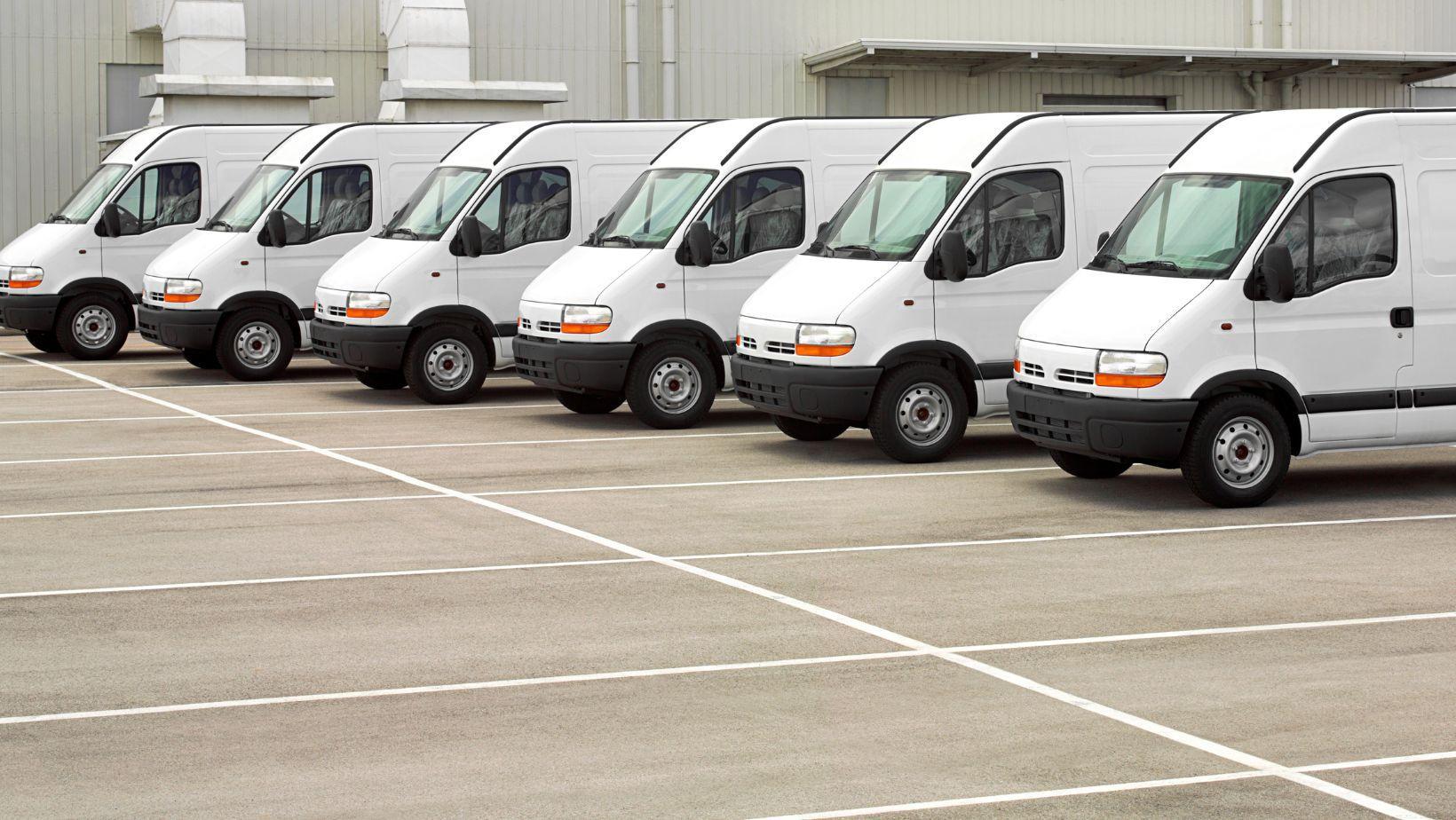

Vehicle fleets create a lot of repetition, and that is exactly why small inefficiencies become expensive. The same fuel purchase happens again and again across different drivers, routes, and locations. If those transactions are not organized well, account control weakens and the business starts losing track of which spending is productive and which is not. Fuel cards for fleet vehicles help by giving operators a structured way to track what each vehicle is doing over time.
The positive impact of a fuel card shows up when repeated purchases become reviewable. Shell’s 2025 fleet-card survey found that a large majority of managers already use cards and that they see them as useful for insight. That result fits the day-to-day reality of fleet operations. The more repetitive the expense, the more useful it becomes to have a system that turns repetition into usable data rather than into noise.
Account control matters because small fleet errors multiply quickly
One questionable purchase may not hurt much on its own, but several across a vehicle fleet can become a material budget issue. A structured fuel card account gives businesses a way to connect each payment to the right driver, vehicle, or cost center. That connection matters because it allows management to review exceptions with precision instead of treating the whole fleet as one undifferentiated expense bucket.
Rebates are more valuable when the business can verify how fuel is actually bought
Rebates sound simple, but they only help if the purchasing behavior behind them is visible. A fleet may qualify for a per-gallon discount, but if drivers are making poor station choices or buying outside policy, the value of the rebate can be diluted quickly. That is why rebate analysis should be paired with transaction reporting. The company needs to know whether the pricing program is being used in the way it was intended.
Vehicle-level data helps operators compare routes and fuel intensity more accurately
Fuel card reports become especially useful when they show patterns at the vehicle level. If one van is consistently buying more fuel than other vans on similar work, management can investigate route design, maintenance condition, or driving behavior. That comparison is difficult when purchases are mixed into one general account. It becomes much easier when each card record is attached to the vehicle that consumed the fuel.
Better station visibility improves control over how vehicles are fueled
Station choice affects more than convenience. It affects route efficiency, time on task, and the quality of cost data. A fleet vehicle that regularly fuels at outlier stations may be signaling poor route planning or weak compliance. A card program with useful station reporting helps operators see whether those patterns are isolated or systemic. Better control usually begins with better visibility into where the fuel is actually being purchased.
Reporting tools make account oversight more practical across large numbers of transactions
Shell’s 2025 survey highlighted tracking and budgeting as top benefits, which makes sense for vehicle-heavy operations. Reporting tools allow managers to filter by dates, drivers, vehicles, or stations and build a more accurate picture of the fleet. That is essential when transaction counts are high. Oversight becomes practical only when the volume of data is organized well enough for someone to use it.
Telematics and mileage records give vehicle data the context it needs
A fueling record is stronger when it can be compared with mileage or route history. Shell’s research found that 43% of fleets use integrated telematics, reflecting how many operators now want payment data tied to movement data. That context helps determine whether a higher transaction was justified by actual work conditions or whether it points to waste. Without that added layer, vehicle-level reporting can still be useful, but it leaves part of the story untold.
Maintenance issues often reveal themselves through fuel patterns first
Fuel data can sometimes expose a mechanical issue before a formal inspection does. A vehicle that is gradually consuming more fuel than comparable units may have tire, engine, or idle-related problems. Argonne’s estimate that heavy-duty truck idling burns more than one billion gallons annually illustrates how normal behavior can have outsized cost effects. Reviewing vehicle-specific fuel transactions helps businesses spot those patterns sooner.
Fuel cards have a positive impact when they make vehicle spending easier to understand
Vehicle-based review helps businesses see whether rebates are driving the right behavior
A rebate program should reinforce good operating habits, not obscure poor ones. Fuel cards for fleet vehicles help businesses test that by showing whether drivers are fueling where expected, whether vehicle-level consumption is improving, and whether the account is producing cleaner data over time. In that way, fuel cards for fleet vehicles support both pricing review and operational review inside the same system.
They also give the business a better way to separate one-off anomalies from actual trends. When fuel cards for fleet vehicles are tracked over time, management can see whether a specific route, vehicle class, or team is drifting away from expectations. That makes the account more useful as a performance tool, not just as a payment method.
Account clarity helps businesses separate one-off issues from true vehicle trends
When every purchase sits in a cleaner system, the business can see whether a cost spike was an isolated event or part of a broader trend. That distinction matters because vehicle fleets generate a high volume of repeat transactions. Without structure, management may overreact to one anomaly or miss a slow-moving problem entirely. Better account clarity makes those judgments more reliable.
That clearer view helps businesses protect margins because vehicle-level drift is easier to catch before it becomes normalized across the fleet.
That makes vehicle-level analysis more useful for budgeting because management can see which patterns are truly recurring and which are merely isolated spikes.
That extra clarity matters because fleets make many similar purchases, and management needs a dependable way to tell whether a change in cost reflects route conditions, vehicle health, or weaker fueling discipline.
The strongest effect of a fuel card is clarity. It helps the business protect rebates, improve account control, and judge whether each vehicle is performing in line with expectations. That kind of clarity is what turns repeated fuel purchases into a manageable operating category instead of an expanding blind spot.