

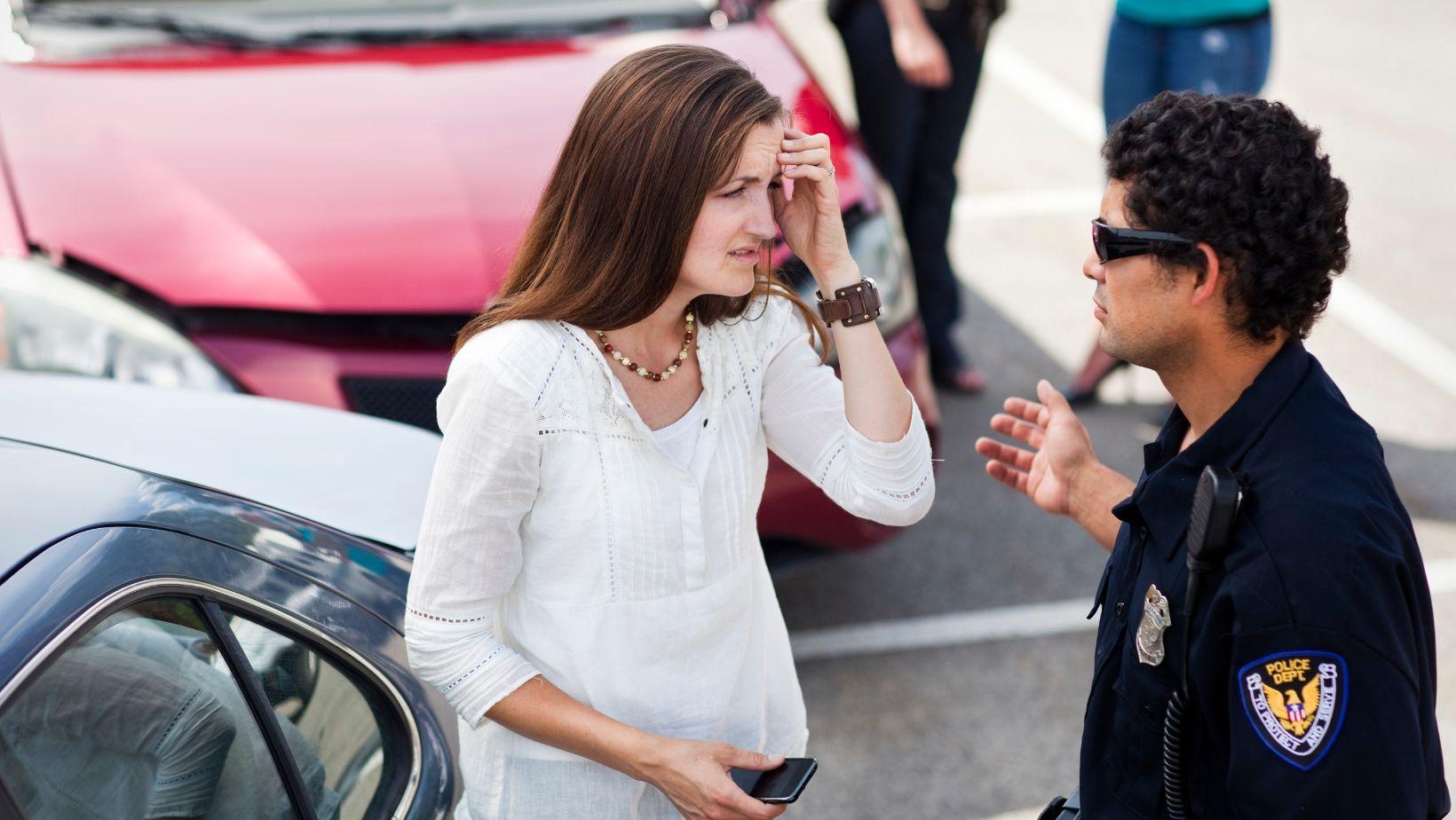

In Wesley Chapel, an auto accident can leave injured people facing far more questions than a police report can answer. While that report provides an important starting point, it rarely captures the full sequence of events, the progression of injuries, or the evidence that may influence a personal injury claim. A proven legal team looks beyond the initial paperwork, examining medical records, roadway conditions, vehicle damage, and other critical details to build a clearer picture of what happened and how the collision has affected the injured person’s life.
First Gaps
Most reports list drivers, location, weather, visible damage, and a short account of fault. That basic outline helps, but major claims need closer review. Delayed neck stiffness, late headache onset, blocked sight lines, or distraction evidence may receive little space. Each missing detail can alter how a carrier reads causation, injury severity, and legal exposure.
Wider Record Review
After a crash, counsel often compares the report with photographs, repair invoices, witness accounts, and treatment notes. That cross-check can expose gaps an officer could not resolve roadside. In a Florida claim, Distasio Firm’s car accident team may review whether impact damage, symptom onset, and scene proof align from collision through follow-up care, because internal consistency often shapes credibility.
Scene Images
Photographs often say more than a short written summary. They can show lane position, crush depth, glass spread, gouge marks, and signal visibility with precision. Early images also preserve conditions before rain, cleanup crews, or steady traffic erase them. For injury claims, force direction seen in pictures may support complaints involving cervical strain, rib pain, or shoulder trauma.
Witness Timing
Witness value depends heavily on timing. Statements taken soon after impact usually carry sharper sensory detail than recollections gathered weeks later. A careful review looks at viewing angle, distance, lighting, traffic density, and divided attention. Minor differences do not always signal dishonesty, yet they can reveal perception limits that matter when liability rests on a few seconds.
Vehicle Data
Many vehicles retain data from the seconds before impact. Depending on the system, records may reflect speed, braking input, steering movement, seat belt use, or airbag deployment timing. That information can confirm, or challenge, a driver’s version of events. Preservation matters because a damaged car may be repaired, salvaged, or scrapped before anyone requests a download.
Road Design
Roadway layout can change the meaning of an ordinary report. Lane markings, signal timing, shrub growth, merge length, faded paint, and pavement wear may shape driver choices more than a brief narrative suggests. Nearby driveways, construction barrels, or business exits also matter. A simple rear-end crash can look different once traffic engineering conditions are studied closely.
Medical Sequence
Injury analysis depends on sequence as much as diagnosis. Teams often study ambulance records, emergency notes, imaging results, therapy logs, prescription history, and work restrictions in order. That timeline helps show whether symptoms appeared quickly, intensified later, or remained consistent. It also helps separate acute crash trauma from prior degenerative findings that insurers may try to overstate.
Financial Losses
A police report does not measure the real cost of bodily harm. Lost wages, future treatment, medication expense, travel for appointments, and limits on household tasks usually sit outside that form. Lawyers gather payroll records, billing statements, and employer verification to show how pain, restricted motion, or cognitive symptoms changed earning capacity and daily function over time.
Insurance Statements
Carriers often focus on recorded statements, early photos, and short chart summaries. Those items matter, yet they may reflect an incomplete medical picture. Symptoms such as muscle spasm, radicular pain, dizziness, or sleep disruption can progress after the first day. Careful review helps prevent a narrow timeline from being used to minimize injury or dispute causation.
Comparative Fault
Florida cases often turn on shared fault arguments. One driver may allege abrupt braking, while the other points to an unsafe lane change or poor lookout. Teams test those claims against damage patterns, camera footage, phone activity, and witness placement. That side-by-side review can reduce unsupported blame-shifting that lowers compensation without solid evidentiary support.
Local Context
Area conditions can add facts a report leaves out. Busy retail entrances, school pickup routes, highway ramps, and recurring bottlenecks may create patterns of abrupt stops or side-impact collisions. Prior incidents, traffic flow, and nearby surveillance can supply useful context. Local familiarity also helps identify where confusing turns or short merge zones repeatedly contribute to preventable crashes.
Conclusion
The police report remains a starting document, not the complete case story. Strong accident analysis looks past that page and checks every reliable source, from photographs and roadway conditions to treatment records and vehicle data. That broader review can clarify liability, support damages, and answer insurer challenges before they harden into claim positions. For injured people, a deeper investigation often affects both financial recovery and confidence during physical healing.