

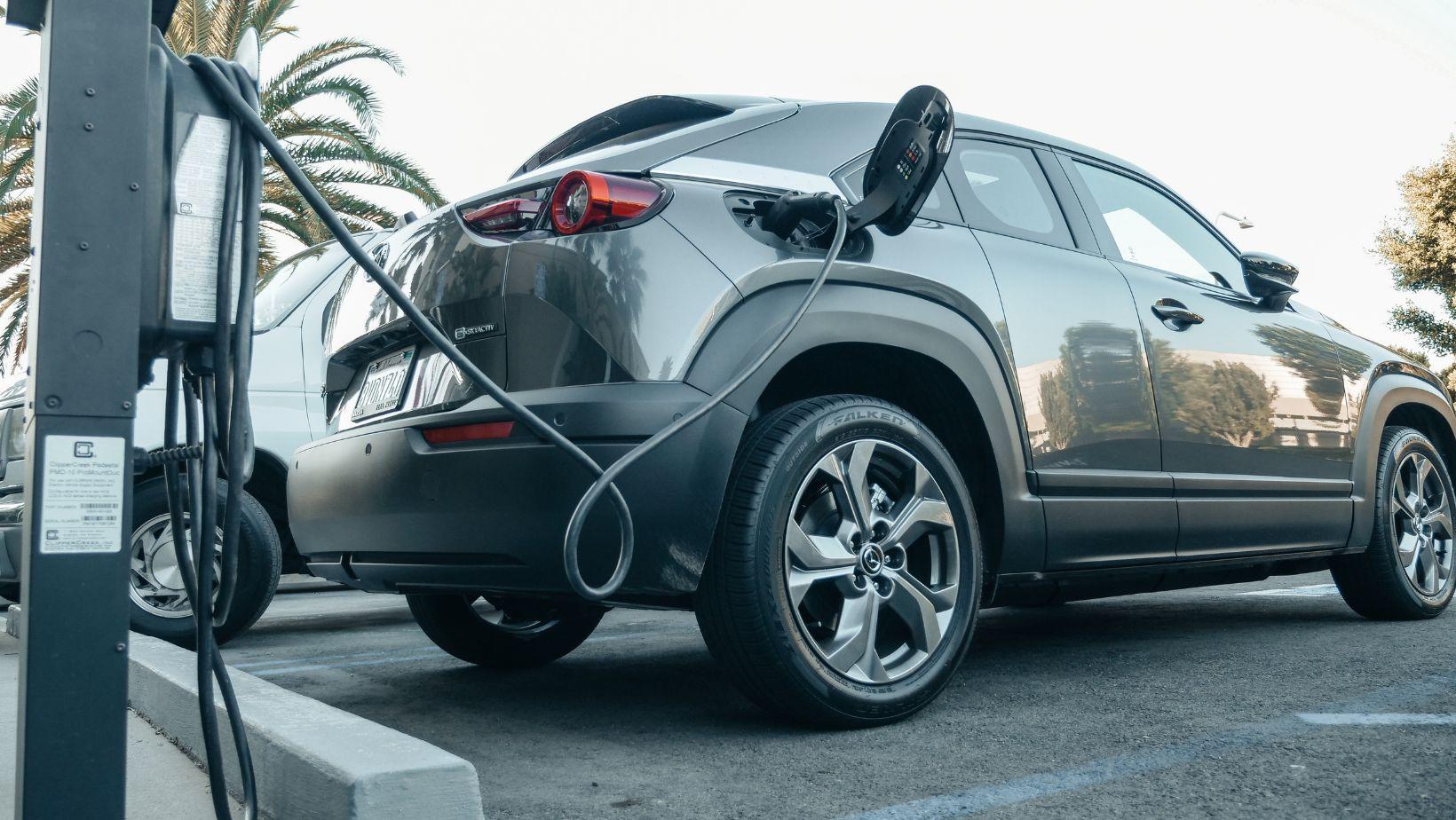

Receiving a notice in the mail telling you to immediately park your new car outside is a jarring experience. For many electric vehicle owners, the convenience of home charging in an attached garage has suddenly been replaced by confusion and fear. These abrupt warnings leave families wondering if their vehicle is safe to drive, let alone park near their sleeping children.
Automakers are not issuing these notices out of an abundance of caution for minor technical glitches. They are sending these warnings because of severe battery defects that cause spontaneous, unpredictable fires. These vehicles can burst into flames even when they are completely turned off and unplugged from a charger.
The scale of this safety crisis is staggering. The NHTSA issued an urgent park-outside warning for over 1 million vehicles due to fire risks. Federal regulators are actively trying to prevent homes from burning to the ground while owners sleep.
Can an EV Catch Fire While Turned Off?
The most common question frustrated owners ask is whether a car can actually catch fire when the ignition is off and the battery is not actively charging. The answer is a definitive yes. An electric vehicle can spontaneously combust while parked, unplugged, and sitting idle in a driveway.
This happens because of a chemical process known as thermal runaway. Inside an EV battery pack are thousands of individual lithium-ion cells. When one of these cells is damaged or contains a manufacturing defect, it can short-circuit internally. This short circuit generates intense heat.
That localized heat quickly spreads to neighboring cells, causing them to break down and release even more heat. This creates a violent chain reaction. The NFPA explains that damaged lithium-ion batteries can enter “thermal runaway,” causing uncontrollable heating and the potential for re-ignition days later due to “stranded energy.”
Once thermal runaway begins, the intense heat causes the massive battery pack to rupture and burst into flames. Because this process happens deep inside the vehicle’s hardware, there is rarely any warning smoke or alarming dashboard light. The fire poses an immediate, life-threatening danger to attached garages, carports, and the families sleeping inside the adjacent home.
Holding Automakers Accountable for Catastrophic Defects
These spontaneous fires are rarely a random act of nature. They typically stem from automakers cutting corners or failing to catch severe manufacturing defects before these vehicles ever hit the consumer market. A simple oversight on a factory floor quickly becomes a deadly hazard in a residential garage.
When automakers cut corners or fail to catch manufacturing defects like misaligned battery cells, the resulting thermal runaway can lead to catastrophic property damage or severe injuries. If you or a loved one has been impacted by a spontaneous vehicle fire, consulting with experienced EV accident lawyers can help you hold negligent foreign and domestic manufacturers accountable.
Manufacturing Flaws
When an electric vehicle catches fire in a driveway, public speculation often points the finger at the owner. People assume the driver used a faulty charging cable or previously damaged the undercarriage on a curb. In reality, spontaneous EV fires are almost never the driver’s fault. They almost always stem from hidden issues buried deep within the lithium-ion battery cells.
During the manufacturing process, battery cells must be assembled in pristine, highly controlled environments. Even minor errors create deadly hazards down the line. If a microscopic amount of moisture seeps into a cell, or if the thin physical separators between the internal components are torn, an electrical short circuit is inevitable.
These defects sit dormant for months until the compromised cell finally gives out. To understand how common these factory errors are, look at recent regulatory actions. Volkswagen recalled over 44,000 EVs due to a fire risk caused by misaligned electrodes during manufacturing. A simple alignment error on an assembly line forced tens of thousands of families to park their cars out in the weather.
Why EV Fires Are Uniquely Dangerous to Homes and First Responders
Electric vehicle battery fires are fundamentally different from traditional internal combustion engine fires. A gasoline car fire is certainly dangerous, but local fire departments have spent a century perfecting the methods to put them out quickly. Lithium-ion fires require entirely new firefighting skills and dramatically more resources.
A burning EV battery burns much hotter and faster than gasoline. More importantly, standard firefighting methods are often completely ineffective. A lithium-ion battery fire generates its own oxygen as the chemical components break down. This means you cannot simply smother the flames with foam or a heavy blanket.
Because the fire fuels itself, an EV fire inside an attached garage can spread to the rest of the home in a matter of minutes. The toxic smoke and rapid heat expansion vastly reduce the time a family has to safely escape the building.
|
Characteristic |
Traditional Gas Vehicle Fire |
Electric Vehicle Battery Fire |
|
Ignition Source |
Usually a fuel leak or external electrical short. |
Internal cell failure causing thermal runaway. |
|
Burn Temperature |
Burns at roughly 1,500 degrees Fahrenheit. |
Can exceed 3,600 degrees Fahrenheit. |
|
Extinguishing Method |
Easily smothered with water or chemical foam. |
Requires massive amounts of water just to cool the cells; generates its own oxygen. |
|
Duration of Threat |
Ends once the fire is fully extinguished. |
Can last for days due to delayed re-ignition risks. |
Who Pays When a Defective EV Destroys Property?
The financial fears surrounding an unpredictable garage fire are completely justified. A thermal runaway event will quickly destroy the vehicle, gut a garage, and potentially burn an entire house to the foundation. Homeowners are often left wondering how they will ever recover from such a massive financial blow.
If a manufacturing defect causes an EV fire, the automaker is legally responsible for the resulting property damage, injuries, or wrongful death. The burden should never fall on the innocent homeowner who simply parked their car where they were supposed to.
However, holding a massive corporation accountable is never a simple process. Insurance companies will try to minimize payouts, and automakers will send teams of corporate lawyers to deflect blame. Battling large foreign and domestic automakers requires specialized legal expertise to navigate these insurance mazes. Victims need professional representation to secure fair, multi-million dollar compensation to rebuild their homes and their lives.
Conclusion
The sudden surge in “park outside” warnings is a highly serious response to a very real threat. Thermal runaway and spontaneous battery fires are not exaggerated myths; they are chemical realities that occur when defective lithium-ion cells fail.
As an EV owner, taking these recall notices seriously is the best way to prioritize the physical safety of your family. Moving affected vehicles outdoors immediately removes the highest risk factor from your property.
Public safety must always come before automaker profits. The companies rushing to dominate the electric vehicle market have a strict duty to ensure their products do not endanger the public. When negligent manufacturing puts American homes at risk, those companies must be held fully accountable for the destruction they cause.