

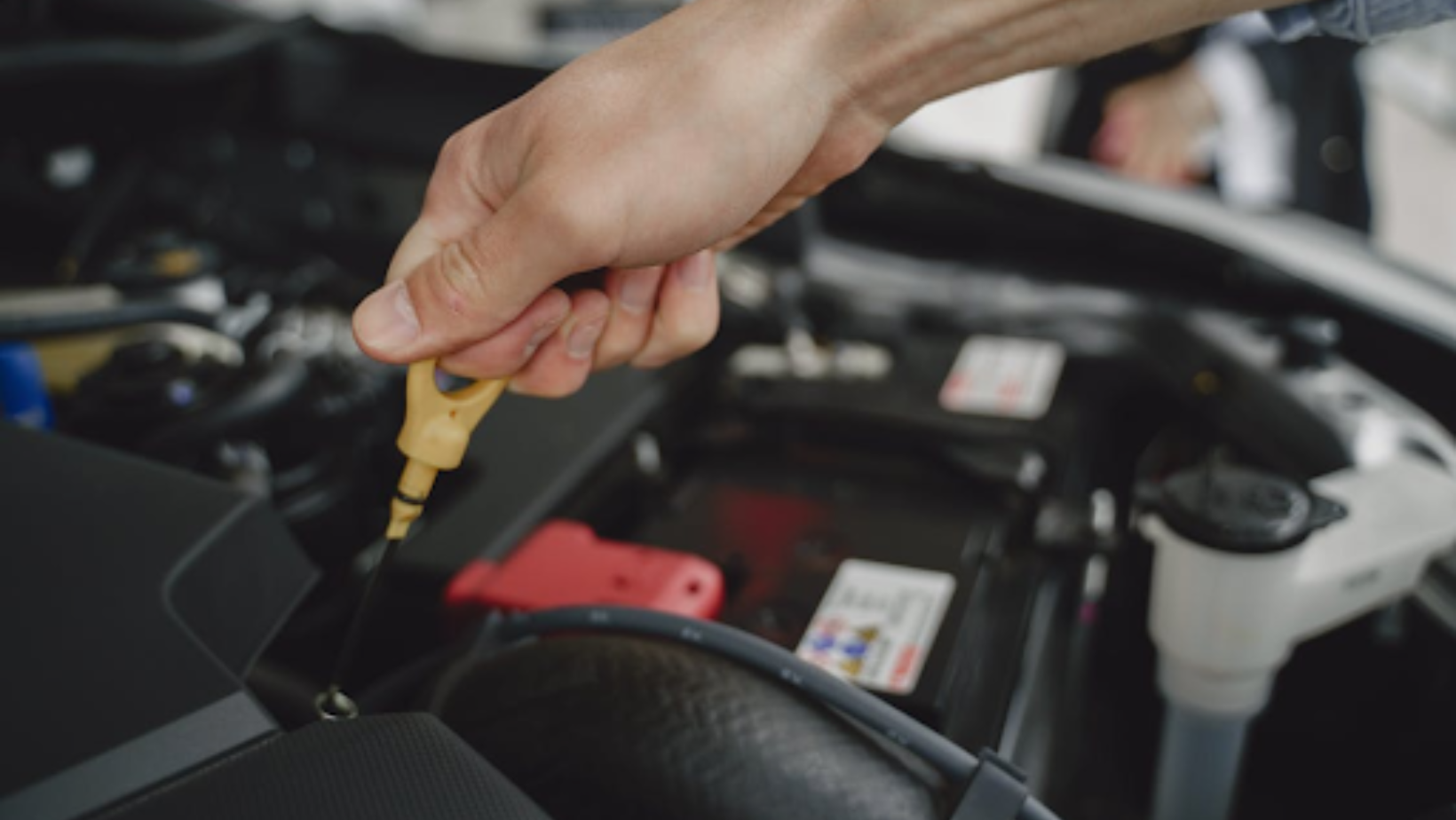

Engine oil is not just lube; it is protection. It keeps metal parts from rubbing, carries heat away, and traps grime so the filter can catch it. Over time, heat and frequent short trips wear down that protective layer. Cold starts and dusty roads can speed it up.
The tricky part is that old oil rarely causes one dramatic moment. It shows subtle signs before it becomes a real problem. If you know the signals, you can swap oil before wear turns into noise, sludge, or a check engine surprise. Here are four warning signs that your engine oil is past its prime.
1.The oil looks thick, gritty, or oddly dark
Oil will darken as it does its job, so color alone is not the test. Be sure to look at texture and flow. If it seems syrupy, sticky, or if you see grit on the dipstick, it is carrying more contamination than it should.
Thicker oil can take longer to circulate after a cold start, right when your engine needs protection the most. If you see this, book an oil change Denver CO. Make sure to also change the oil filter at the same time
2.Your engine sounds sharper than normal
A healthy engine has a steady tone. When oil is worn out, you may hear light ticking on cold starts, a rougher idle, or a higher-pitched tap when you accelerate. Thin oil cannot cushion parts well, and sludgy oil cannot reach tight areas fast enough. New noise does not always mean a major failure, but it often means your lubrication is not doing its job. Be sure to treat it as an early warning.
3.Your oil level drops faster between checks
A quick dipstick check tells you a lot. If the level is falling faster than it used to, pay attention. Some engines consume a little oil, but a sudden shift matters. Old oil can evaporate more under heat. It can also slip past tired seals or rings more easily. Topping off helps at the moment, but it does not fix worn, degraded oil. Treat frequent top-offs as a prompt to service and to check for leaks.
4.You smell burning or see smoke
A burnt odor after a drive can be oil overheating inside the engine, or oil leaking onto hot components like the exhaust. Either way, heat plus oil equals trouble. You might notice the smell when you park, or see a faint haze near the hood. You should not ignore it. Overheated oil creates deposits that restrict flow. External leaks can worsen fast. Be sure to get it inspected before it becomes a bigger repair.
Endnote
Old oil rarely fails in one dramatic moment. It wears down, then your engine pays the price in heat and friction. Check the dipstick once a month; it takes a minute. If oil looks thick or gritty, the engine sounds sharper, the level keeps dropping, or you smell burning, book service soon. Fresh oil and a new filter cost less than repairs and downtime for most drivers.