


Perfect Transitions Effortlessly With An AI Video Generator Automation
To produce videos that are appealing to watch, it takes great visuals and a good storyline. Transitions, which are usually ignored, are also important in determining the flow of content. They lead the viewer through the different scenes, and the viewer is engaged, and the story is expressed in a natural way. It may be difficult to design these transitions by hand, and requires timing, a consistent style, and technical expertise. Luckily, sites such as Pippit make it a lot easier. With its AI video generator, transitions are automated, giving videos a professional and seamless feel without the need for painstaking manual adjustments. This is a method that saves time and also guarantees quality deliverables in various categories of projects.
The Role of Transitions in Visual Storytelling
Changes are necessary to uphold emotional continuity between scenes. The way a video flows between shots can keep the audience engaged in the story, reacting to the change in mood and plot structures. Sudden or ill-timed cut-ups will disrupt this emotional attachment, and the audience will feel lost or uninterested. Fluid transition of visuals also serves to sustain attention. Small elements like fades, slides, or animation cuts lead the eye, giving the viewer a feeling of rhythm that keeps them focused on the story. The transitions also avoid visual fatigue, which may arise when the scenes change too abruptly or unpredictably. Transitions create a sense of coherence and integrity in a video; however, by cautiously connecting shots together, the process of narration becomes more successful and entertaining.
AI-Automated Transition Logic in Pippit
Pippit uses advanced logic when selecting transitions based on the type of content and narrative tone. Clean, minimal transitions can be required as an example when pitching a product, and dynamic, attention-grabbing cuts can be helpful in a social media video. The AI examines the timing of the scene and balances the transition to facilitate the purpose of that story. This ensures that on the high-energy sections, the viewers are alive but not intimidated, and when on lighter or informative sections, the details are present. The other witty thing that Pippit does is not to use cheesy effects that make videos look unimaginative or monotonous. It will provide a smooth output, which is professionally edited, regardless of how inexperienced you are, by adjusting the choice of the transition to the particular needs of the project. Complicated patterns can also be fluid and have a continuous rhythm and atmosphere.
Unity Over Entire Videos With No Manual Labor
In the case of manual transition, it might not be easy to retain the same transition styles across multi-scene projects. The artificial intelligence of Pippit renders the transition between scenes consistent and provides a consistent visual flow. It is a compromise between passive and active effects, giving it a professional appearance and retaining viewers’ concentration. This is paramount to brands, particularly because irregular movement can spoil a brushed image. The credibility of the story is also maintained due to the AI-based automation that allows transitions to be implemented in order to support rather than distract from the content. By eliminating the need to do it manually every single cut, Pippit saves the editing time, and creators are able to focus on storytelling and making creative changes. What it has attained is a video that is aesthetically cohesive and conveys its message.
Steps to Perfect Transitions Effortlessly With An AI Video Generator Automation
Step 1: Set up your project and prompt
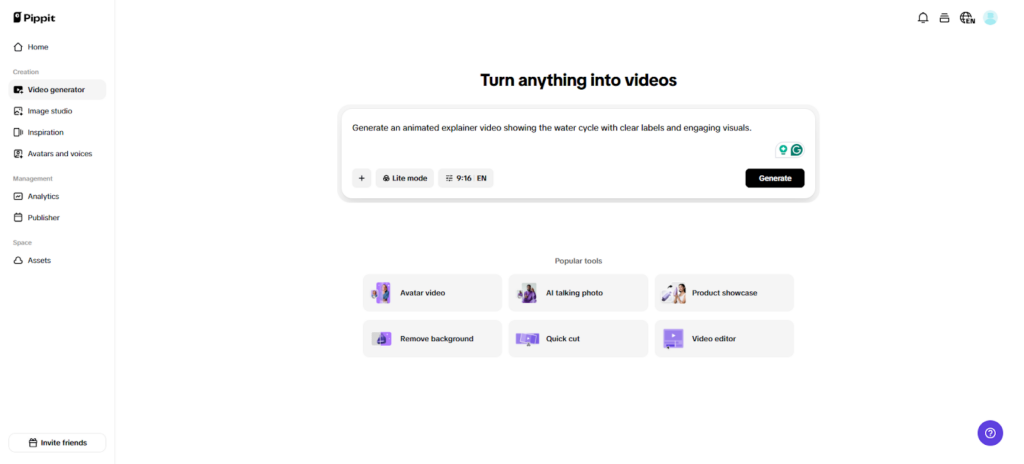
Access the AI video generator and sign up. Navigate to “Video generator” and input your text prompt to describe the video flow. You can upload reference media through “Add media” from your device, phone, Dropbox, or a link. No reference media? Choose from existing assets. Click “Generate” to let the AI begin assembling your video.
Step 2: AI optimizes transitions automatically
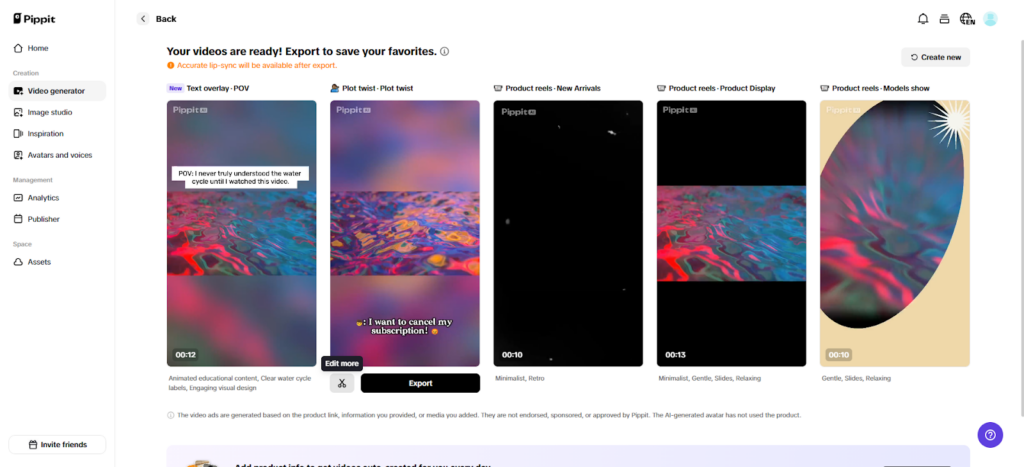
The AI video generator automatically manages transitions, pacing, and video enhancements to ensure smooth scene changes.
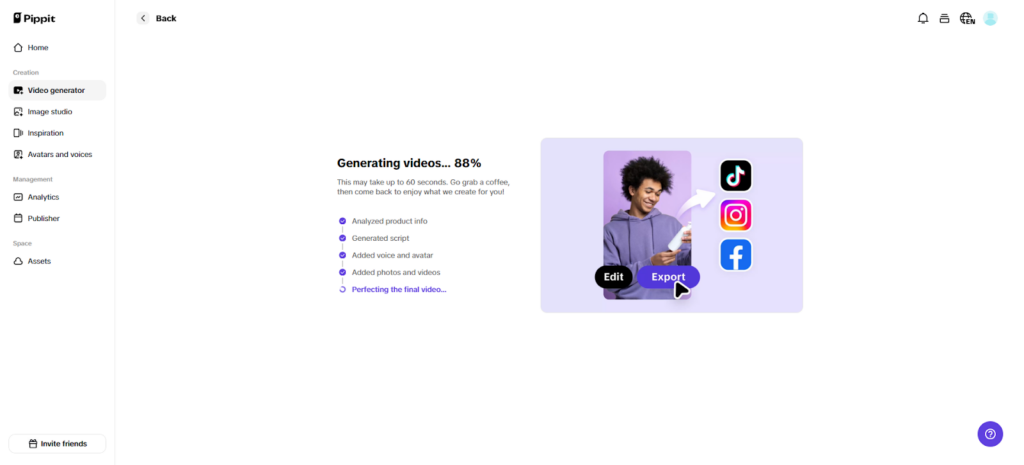
It also adds avatars, voice, lyrics, captions, and photos/videos for a polished look. Review the 4 to 5 drafts generated and pick one that feels best. Click “edit more” to access detailed transition controls, where you can tweak effects, duration, and flow between scenes effortlessly.
Step 3: Refine and output your video
Once you have fine-tuned transitions, you can further adjust scene timing, apply filters, or add music.
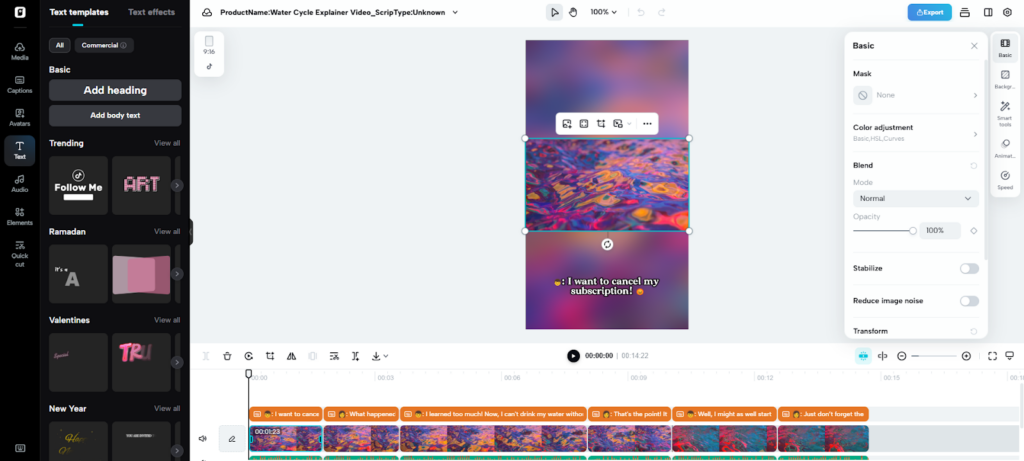
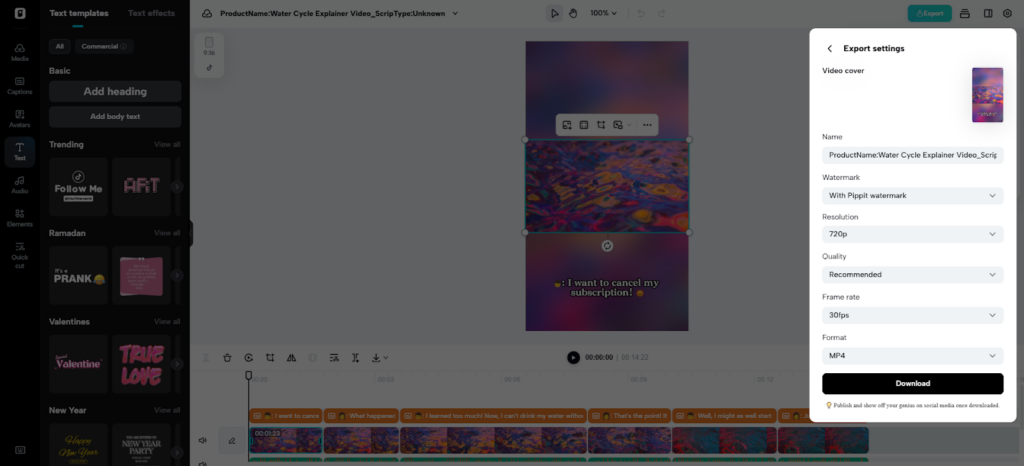
When your video is flawless, hit the “Export” tab. Share via “Publish” to social platforms or “Download” your video with options for custom format, frame rate, resolution, quality, and name.
Transition Optimization for Short-Form Content
The shorter content needs more active transitions and quick cuts to keep the viewer interested. The Pippit AI also considers motion pacing, therefore, making each scene natural in its progression, but also changing very fast. It works particularly well with social media videos, the attention of which is limited, and the impact has to be immediate. Even spacing of transitions to accommodate narrative rhythm with excitement and clarity is also a wise choice by the system. This automation allows short-form videos to be professionally made without losing speed and efficiency in the case of creators with limited resources or time constraints.
Matching Transitions With Avatars and Talking Photos
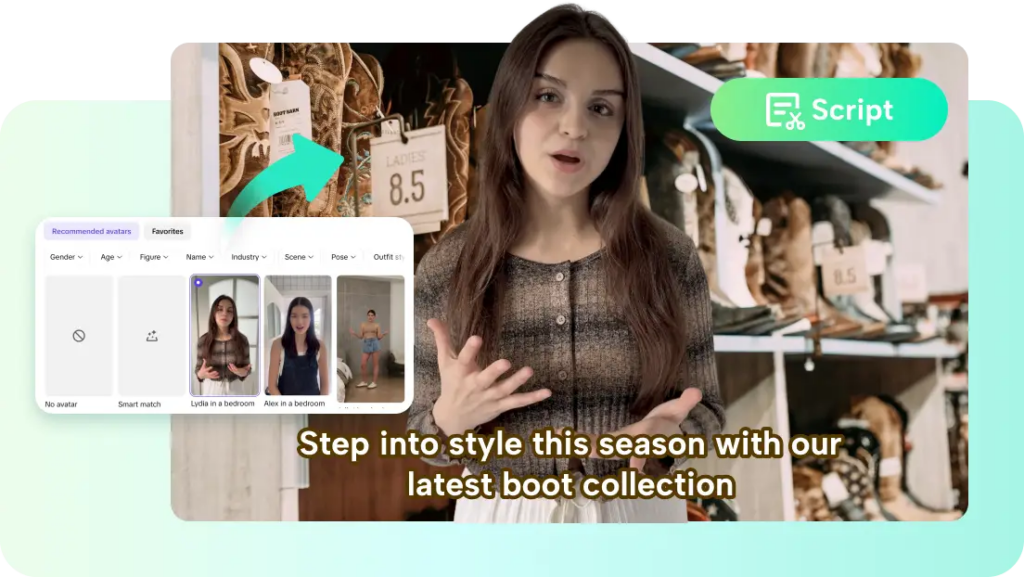
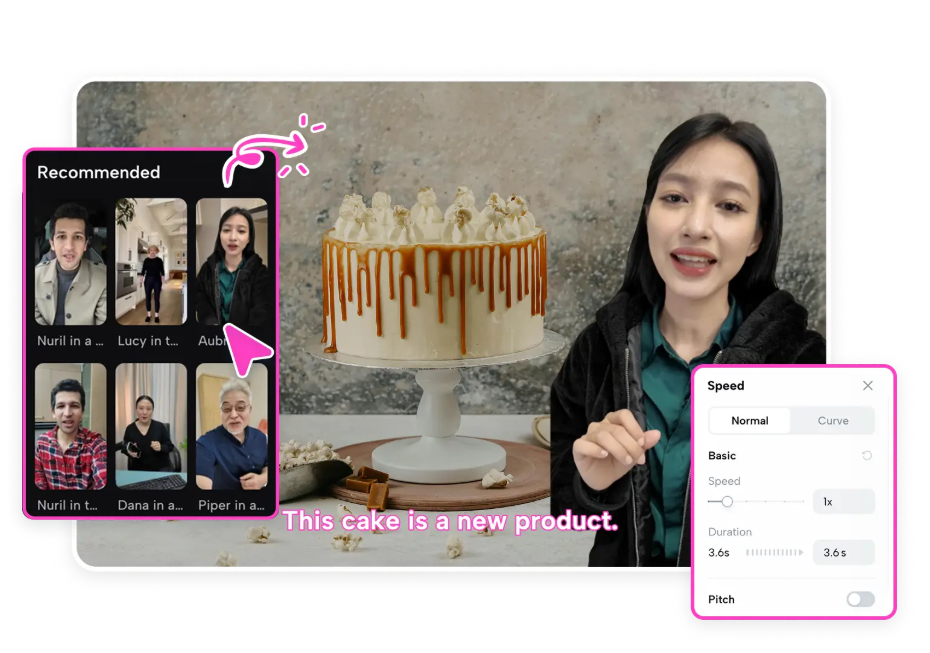
The application of AI avatars or animated pictures should be gradually switched without losing their authenticity. Pippit regulates the visual entrance and exit of the avatars to allow an anticlinical transition, thus eliminating sudden jumps that could be distracting. In photo to video AI projects, transitions between still and animated frames are smoothed, creating natural motion that enhances viewer immersion.

This detail allows the speaking photos or avatars to still be aesthetically similar even in a story across scenes. All these and lip sync AI outputs will give it a realistic and interactive character presentation that will improve the quality of the videos.
Avoiding Over-Automation Pitfalls
Even though automation is effective, the overuse of transitions can overload people. The clarity and narrative focus are helped by making the transitions in slower or didactic portions easier. Using Pippit, it is possible to obtain a creative override, i.e., in some cases, it can be modified manually when the finer details of storytelling are required. This causes automation to be an appendix to the creative process rather than a dictatorship. Videos are professionally innovative and include a balance between AI-added enhancements and selective human ones. The transitions are very wisely used to keep the viewer attentive and to introduce the content.
Conclusion
Automated transitions do not require a lot of time and do not hurt the quality. Pippit allows the creators to make a high-quality motion design without any problems, regulating speed, style, and flow of complex projects. The AI automatically correlates transitions with the content, story, and branding requirements, so the videos are interesting and visually coherent. By simplifying even the most technical aspects of video editing, Pippit enables the creators to focus on storytelling and creativity. As the AI-based video systems evolve, programs like Pippit can show us how automation can be leveraged to create production effectiveness as well as offer slick and engaging content that any customer base would enjoy.