

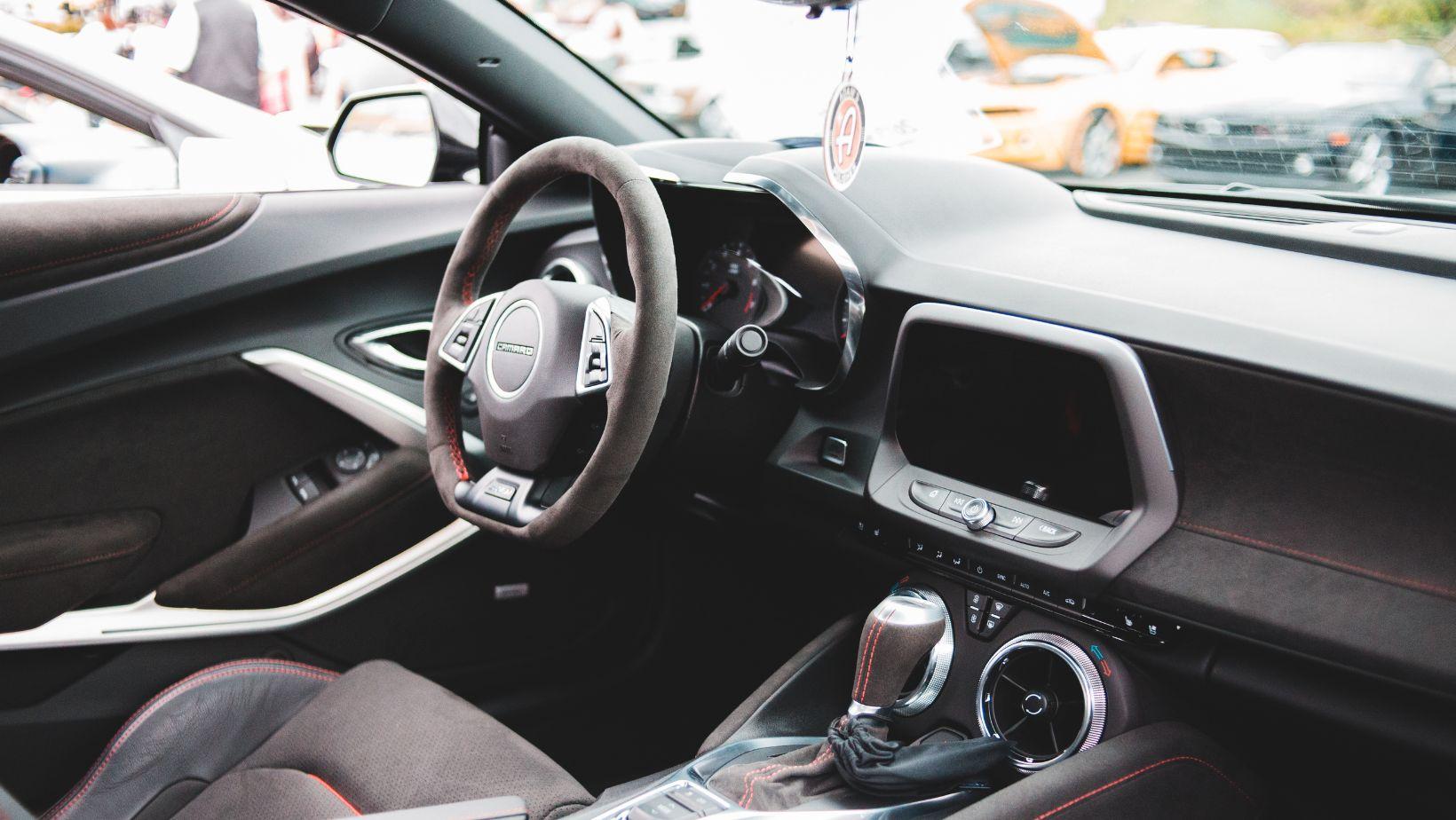

You don’t need to buy a new car to enjoy modern technology. If your current vehicle is reliable, comfortable and still meets your needs, upgrading a few features can make a surprising difference to your everyday driving experience.
Older vehicles often lack the conveniences we’ve come to expect, such as smartphone connectivity, reversing cameras and modern navigation systems. Fortunately, many of these features can be added without making major modifications or spending thousands of dollars.
From replacing an outdated stereo with something like a Holden Colorado head unit to installing useful safety and convenience accessories, there are several ways to bring an older vehicle up to date. Here are five upgrades worth considering.
1. Upgrade Your Car’s Entertainment System
One of the most noticeable differences between older and newer vehicles is the entertainment system.
Many older cars have basic radios, CD players or small displays that offer limited functionality. While these systems may still work perfectly well, they often lack the smartphone integration that makes modern driving more convenient.
Replacing the factory stereo with an aftermarket touchscreen head unit can introduce features such as Apple CarPlay, Android Auto, Bluetooth connectivity and integrated navigation.
With a compatible system, you can access supported music applications, follow directions and manage calls through your vehicle’s display.
Before purchasing a replacement, check that it’s compatible with your car’s make, model and production year.
Some vehicles require additional wiring adapters or dashboard components to retain factory features such as steering-wheel controls and reversing cameras.
If you’re unfamiliar with automotive electrical systems, professional installation is usually the safest approach.
2. Install a Reversing Camera
Reversing cameras are standard equipment on many newer vehicles, but older cars often lack this useful feature.
Adding one can make parking and manoeuvring in tight spaces considerably easier, particularly if you drive a larger vehicle with limited rear visibility.
Most aftermarket systems use a small camera mounted near the rear number plate or another suitable position.
The camera sends an image to a compatible dashboard display, helping you see obstacles behind the vehicle.
There are several options available, including cameras that connect to aftermarket head units and standalone systems with dedicated screens.
When choosing a camera, consider image quality, low-light performance and how well it integrates with your existing equipment.
Remember that reversing cameras are an additional safety aid, not a replacement for checking mirrors and looking around your vehicle.
Proper installation and correct camera positioning are essential for reliable operation.
3. Add a Dash Camera for Extra Peace of Mind
A dash camera is one of the simplest technology upgrades you can make to an older vehicle.
These compact devices record footage while you’re driving, potentially providing useful evidence if you’re involved in an accident or unexpected incident.
Basic models record the road ahead, while more advanced systems can capture footage from both the front and rear of the vehicle.
When comparing options, look for features such as:
- Clear video recording in daylight and low-light conditions.
- Automatic recording when the vehicle starts.
- Loop recording that overwrites older footage when storage is full.
- Impact detection that can protect relevant recordings from automatic deletion.
- Parking surveillance, if supported by a suitable power arrangement.
Be aware that parking surveillance may require additional wiring and battery protection.
It’s also important to understand any privacy or recording laws that apply where you drive.
Choose a discreet installation that doesn’t obstruct your view of the road.
4. Improve Your Lighting With Modern Technology
Older vehicles sometimes have headlights that provide noticeably less illumination than newer designs.
If you regularly drive at night, improving your vehicle’s lighting may be worth considering.
However, upgrading headlights isn’t always as simple as replacing traditional bulbs with LED alternatives.
Headlight housings are designed for particular light sources, and installing incompatible bulbs can produce poor beam patterns or excessive glare for other drivers.
Start by checking whether your existing headlights are functioning correctly.
Cloudy plastic lenses, incorrectly aimed headlights or ageing bulbs can all reduce visibility.
Restoring damaged lenses or replacing worn components with suitable manufacturer-approved parts may provide a worthwhile improvement.
If you’re considering a more substantial upgrade, consult a qualified automotive specialist to ensure the lighting system remains safe and complies with applicable regulations.
Avoid modifications that create excessive brightness or glare.
5. Add Convenient Charging and Connectivity Features
Modern vehicles often include several USB charging points, wireless connectivity features and convenient places to store devices.
Older cars may offer little more than a traditional 12-volt accessory socket.
Fortunately, adding practical charging options is usually straightforward.
A quality USB charging adapter can allow you to charge compatible phones, tablets and other devices using an existing accessory socket.
For a more permanent solution, professionally installed USB charging ports may provide a cleaner appearance and easier access.
Wireless charging mounts are another option, provided your phone supports the relevant charging standard.
If you regularly use your phone for navigation, choose a secure mount that doesn’t obstruct your view or interfere with vehicle controls.
Consider where charging cables will run and whether passengers need access to additional charging points.
Small improvements like these can make commuting, travelling and everyday errands considerably more convenient.
Make Sure Your Upgrades Work Together
Before purchasing several accessories, consider how they’ll interact with your vehicle’s existing systems.
For example, installing a new entertainment unit and reversing camera together may be more convenient than completing two separate installations.
Compatibility is particularly important for vehicles with integrated factory controls or unusual dashboard layouts.
It’s also worth considering your overall budget.
Some upgrades, such as USB charging adapters and basic dash cameras, can be relatively inexpensive. Others may involve additional equipment and professional installation costs.
Prioritise improvements you’ll use regularly rather than choosing technology simply because it’s available.
Give Your Older Vehicle a Modern Feel
An older car can still offer a comfortable, enjoyable driving experience, especially when it’s well maintained.
Adding modern technology doesn’t have to involve complicated modifications or replacing everything at once.
Start with the features that would make the biggest difference to your daily routine. For some drivers, that might mean better smartphone connectivity. For others, a reversing camera or improved charging options could be more valuable.
Whatever upgrades you choose, focus on safety, compatibility and ease of use.
With a few carefully selected improvements, you can enjoy many of the conveniences found in newer vehicles while continuing to drive a car you already know and trust.